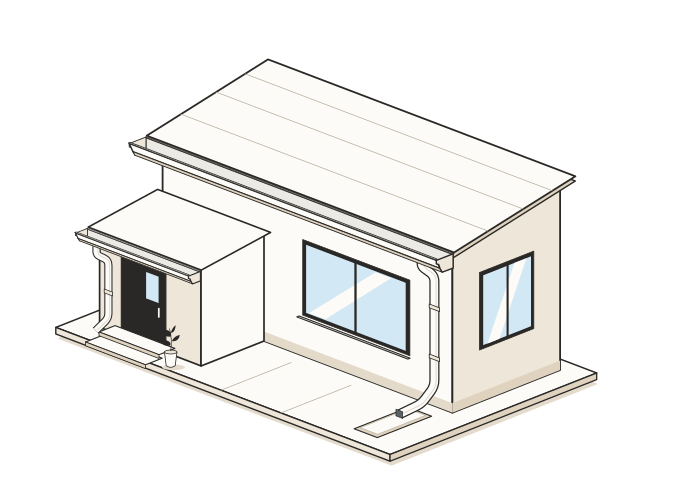


Renovate is a loan-connecting service, not a lender. We may connect you with a third-party lender or lending partner who reviews your application and sets rates and borrowing terms.
Homeowners with all credit types can submit a request through Renovate. Submitting a request does not guarantee that you will be connected with a lender, receive an offer, or be approved for financing.
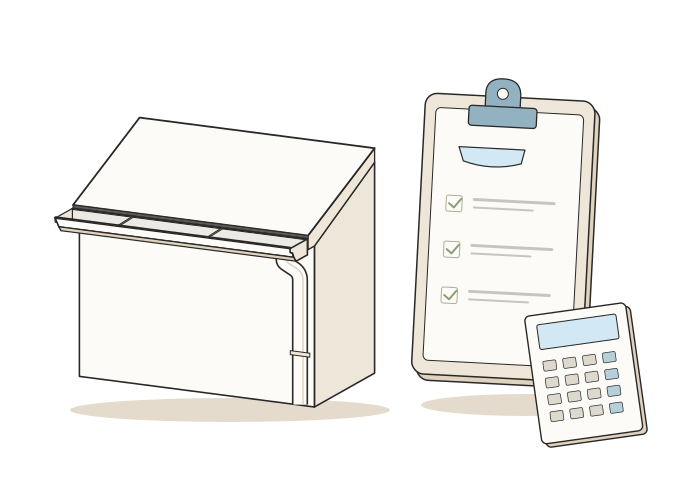
Depending on the lender’s rules, a gutter financing request may include new installation, full replacement and removal, larger repairs, seamless or sectional systems, downspouts, gutter guards, and related fascia or soffit work. A gutter installation contractor can help define the project scope. The lender decides which expenses it will finance.
A professional gutter installation or replacement may cost about $1,000 to $5,000 for many homes, depending on the material, linear footage, home height, and roofline complexity. Premium materials and unusually large or difficult projects can cost more.
Gutters are usually priced by linear foot, but that figure doesn't always cover the entire project. The total can also include downspouts, old-gutter removal, gutter guards, drainage extensions, and fascia or soffit repairs. The condition of the existing system, the home’s height, and roofline access can also affect the final price.
| Project or Material | Typical Cost Basis | What Can Affect the Price |
| Gutter repair | $100–$750 per project | Type and extent of damage, material, height, and sections that need replacement |
| Vinyl gutters | $3–$12 per linear foot installed | Home height, gutter style, and sectional installation |
| Aluminum gutters | $3–$20 per linear foot installed | Seamless fabrication, gauge, finish, and home height |
| Steel gutters | $5–$35 per linear foot installed | Steel type, gauge, protective coating, and added installation labor |
| Copper gutters | $15–$40+ per linear foot installed | Seamless or sectional construction, custom work, soldering, and gutter size |
| Gutter guards | $6–$45 per linear foot installed | Guard type, material, home height, access, and the condition of the existing gutters |
| Removal and disposal | Typically $150–$300 per project; some contractors price removal at about $0.65–$2 per linear foot | Gutter length, number of stories, condition of the old system, and disposal needs |
These national planning estimates may overlap, and material, local labor, home design, access, and related repairs can change the final cost.
Several factors can affect gutter pricing. Here are some of the most common.
Installers commonly price gutters by the linear foot. A larger roofline requires more material and usually more installation time. Home height and roofline complexity can also raise labor costs.
Vinyl generally falls toward the lower end, while copper is considerably more expensive.
Seamless gutters can cost more than sectional systems because they are custom-fabricated to fit the roofline. The number and size of downspouts can also raise costs.
The scope can grow once the old system comes down. Damaged fascia or soffits may need repair before you can secure new gutters properly.
Local labor rates affect what homeowners ultimately pay across the country.
Some gutter problems can be fixed with a targeted repair, while others may point to a system that is no longer working properly. Signs to look for include:
Before you request a contractor, it may make sense to consider the following factors.
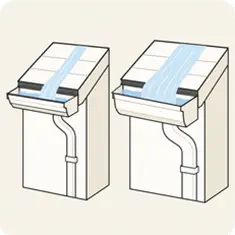
Five-inch gutters are common on residential homes, while 6-inch gutters can provide more capacity for steeper roofs and areas with heavier rainfall. Size should be based on the roof area, pitch, expected rainfall, and downspout capacity rather than the home’s square footage alone.
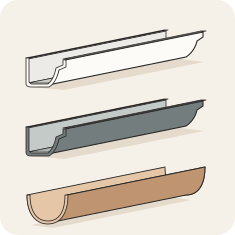
Aluminum and vinyl generally fall toward the lower end of the price range, while steel and copper may cost more. Material can also affect weight, corrosion resistance, appearance, and maintenance. Seamless gutters are custom-fabricated with fewer joints, while sectional systems use connected pieces. K-style and half-round profiles differ in appearance, capacity, and installation needs.
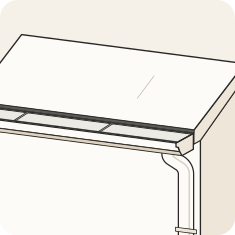
The number of stories, roof shape, corners, and access can all affect how difficult the installation is. The contractor should also check the fascia before attaching new gutters. If it is rotted or damaged, the project may need to include repairs. Removing an existing gutter system can also add to the scope.
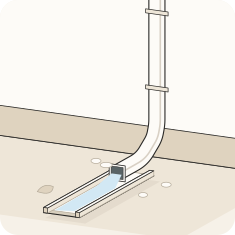
Local weather should also guide the system design. Heavy rainfall may require greater gutter and downspout capacity, while snow and ice can place added strain on the system.
The plan should also account for where each downspout will discharge so water is directed away from the foundation and nearby walkways.
Nearby trees can increase the amount of leaves and debris entering the gutters, which may make gutter guards worth considering.
Homeowners may encounter several ways to pay for gutter work. Here’s how the request process works and common terms to review.
An unsecured home improvement loan generally provides a lump sum that you repay in monthly installments over a set term. It does not require home equity or place a lien on your property. Renovate can help homeowners request home renovation loans through its network of third-party lenders and lending partners.
Some gutter contractors offer financing through third-party lenders, which may let you pay in monthly installments instead of upfront. Before choosing this option, compare the interest rate, loan term, fees, minimum credit requirements, and whether the lender finances repairs, replacements, or both.
Credit cards or buy now, pay later plans may be considered for a smaller repair. For a full replacement, interest and fees can increase the total cost, while credit limits and short repayment periods may make the payments difficult to manage.
Home equity loans and home equity lines of credit, or HELOCs, let homeowners borrow against their property equity. Homeowners may consider them when gutters are part of a larger exterior renovation. Because the home serves as collateral, missed payments can put the property at risk.
Here are some of the reasons homeowners choose Renovate.

Renovate does not charge homeowners to submit a financing request. Lender fees and borrowing costs will be outlined in the lender’s terms.

You can get started online by submitting one request with your personal, financial, and gutter project information.

Renovate will try to connect you with a third-party lender or lending partner and a contractor from its network. Connections depend on the project, location, participating companies, and other factors.

Homeowners with all credit types can submit a request, with no minimum credit score required to complete the form. The lender decides whether to approve an application and what terms to offer.
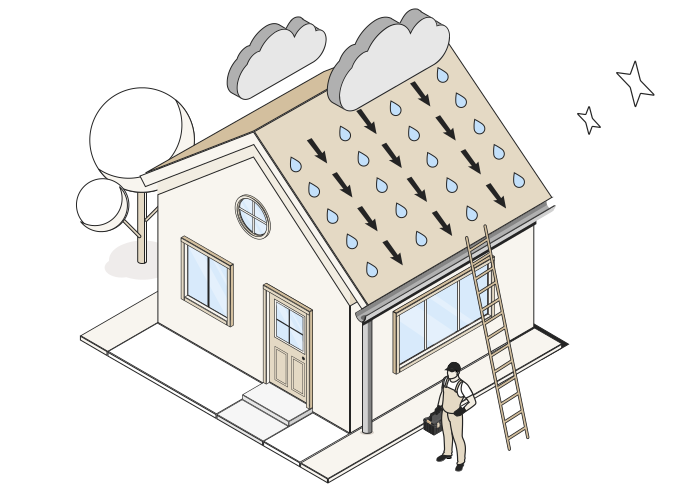
Tell us about the gutter work you need to see whether a financing option may be available through our network.
You can submit a gutter financing request with any credit type. Renovate doesn't require a minimum credit score to submit the form. Approval still depends on the lender or lending partner, which reviews your application and decides what financing terms to offer.
The amount you may be able to borrow depends on the lender, your financial profile, and the project cost. Renovate does not set loan amounts. Include the full estimated cost of your gutter project in your request so the lender can determine what amount may be available.
You may receive an initial lender connection or preliminary result before the full application process is complete. Final approval and funding depend on the lender’s review, required documents, and other application requirements. Renovate cannot guarantee how long approval or funding will take.
It depends on the type of credit inquiry used. A soft inquiry generally does not affect your credit score, while a hard inquiry may. Ask what type of inquiry will be used at each stage and review the lender’s disclosures before continuing with an application.
Depending on the lender’s rules, a request may include new installation, full replacement, larger repairs, downspouts, gutter guards, removal and disposal, drainage extensions, and related fascia or soffit work. Include the complete scope and estimate in your request, then confirm which expenses the lender will finance.
Possibly. Prepayment rules vary by lender and financing product. Some options allow you to repay the balance early without a penalty, while others may include specific conditions or fees. Review the lender’s disclosures and confirm the early-payment terms before accepting an option.
Some lenders may allow gutter work and other exterior improvements in the same project request. Provide the complete scope and estimated cost upfront, then confirm which expenses the lender will finance. If roofing is also part of the project, see our Roof Financing page.


