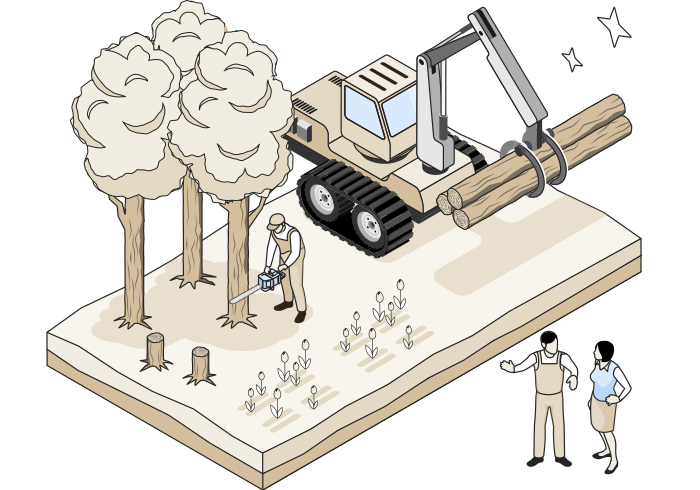
Tree removal looks like a big project from your porch, but arranging the financing doesn’t have to feel complicated.


Tree problems are different. Sometimes they tower too close to the house, other times old stumps get in the way. That’s why financing may cover a range of project types, including:
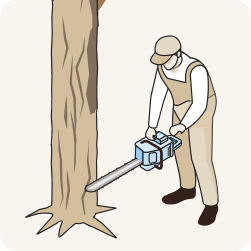
Tall, older trees near homes, driveways, or power lines usually call for a professional crew. The Tree Care Industry Association, formerly known as the National Arborist Association, has long emphasized that large trees need regular maintenance to stay safe; when that hasn’t happened, or a tree outgrows its space, an arborist may recommend major work or full removal.
This often comes up with larger species, such as:
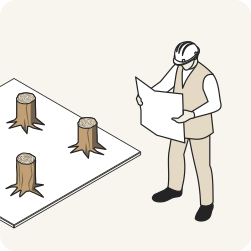
Once the trunk is gone, the stump stays. It gets in the way of mowing, makes the ground uneven, and tends to collect weeds. Stump grinding is usually quoted separately from the tree because it needs its own equipment and time on site.
When a contractor is already there for a bigger job, some homeowners choose to request financing that also covers the stump work.
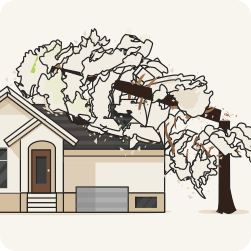
Some tree work is optional; some isn’t. When there’s a real safety concern, the job usually needs to happen quickly, even if the cost is higher than you planned for. If paying everything at once isn’t realistic, you can request tree removal financing.
The tree removal cost chart* below reflects typical ranges based primarily on height:
| Up to 30 feet | $200–$475 |
| 30–60 feet | $450–$1,200 |
| 60–80 feet | $850–$1,550+ |
| 80 ft. and taller | $1,100–$2,000+ |
* Ranges shown are typical national estimates and are meant as a baseline by height. Actual quotes vary with access, risk, tree condition, and add-ons like stump grinding, hauling, permits, and emergency work.
Before you request financing, get a rough sense of what the project will likely include — just taking the tree down, or also stump grinding, hauling, and basic cleanup.
If time allows, compare at least two estimates. Different arborists may suggest pruning, cabling, or partial removal instead of taking the whole tree down.

Before you submit a request, think about whether you’d rather keep this as a standalone project or look into a broader home improvement plan.
You can submit a request online and, if possible, we’ll try to connect you with a participating tree service contractor and a third-party lender.

Our network includes contractors in your area, so you can look for help from people familiar with local tree types, yard layouts, and weather conditions.
Whether you’re dealing with one large tree, several removals, or stump grinding, you can explore financing that fits the size of your project.

There is no obligation to start working with a contractor if you are connected with one through our site.
Many home improvement or personal loan providers look for at least fair to good credit, but some may consider lower scores at higher rates.
Lenders may also look at income, existing debts, and overall application details, not just your score.
Tree work can be financed through tree servicing companies, banks, and online lenders offering home improvement or personal loans. Renovate can help you start the search process and possibly connect you with a lender and local contractor.
In many cases, yes. Some lenders allow you to use approved funds for urgent work, including emergency tree removal after storms or sudden damage.
Cost guides and tree companies consistently point to late winter and early spring, often January through March, as the cheapest time in many regions. Trees are usually dormant, there’s less foliage in the way, and off-season demand is lower.
Tree companies more often price by the job, but when hourly rates are given, they typically land around $75 to $200 per hour for a certified arborist. Exact pricing still depends on the difficulty of the work.
Tree felling looks simple from the ground, but there’s a lot to account for. The larger the tree or your tree problem, the more hands and equipment. Renovate helps you see if you may be prequalified for tree removal financing.


