

Renovate is a loan connecting service, not a lender. When you submit a loan request, Renovate attempts to connect you with a lender or lending partner that may be willing to work with you. The lender handles the application review and provides the decision and terms.
Consumers with all credit types are welcome to submit a loan request. Submitting a request does not guarantee a connection, loan offer, or approval.
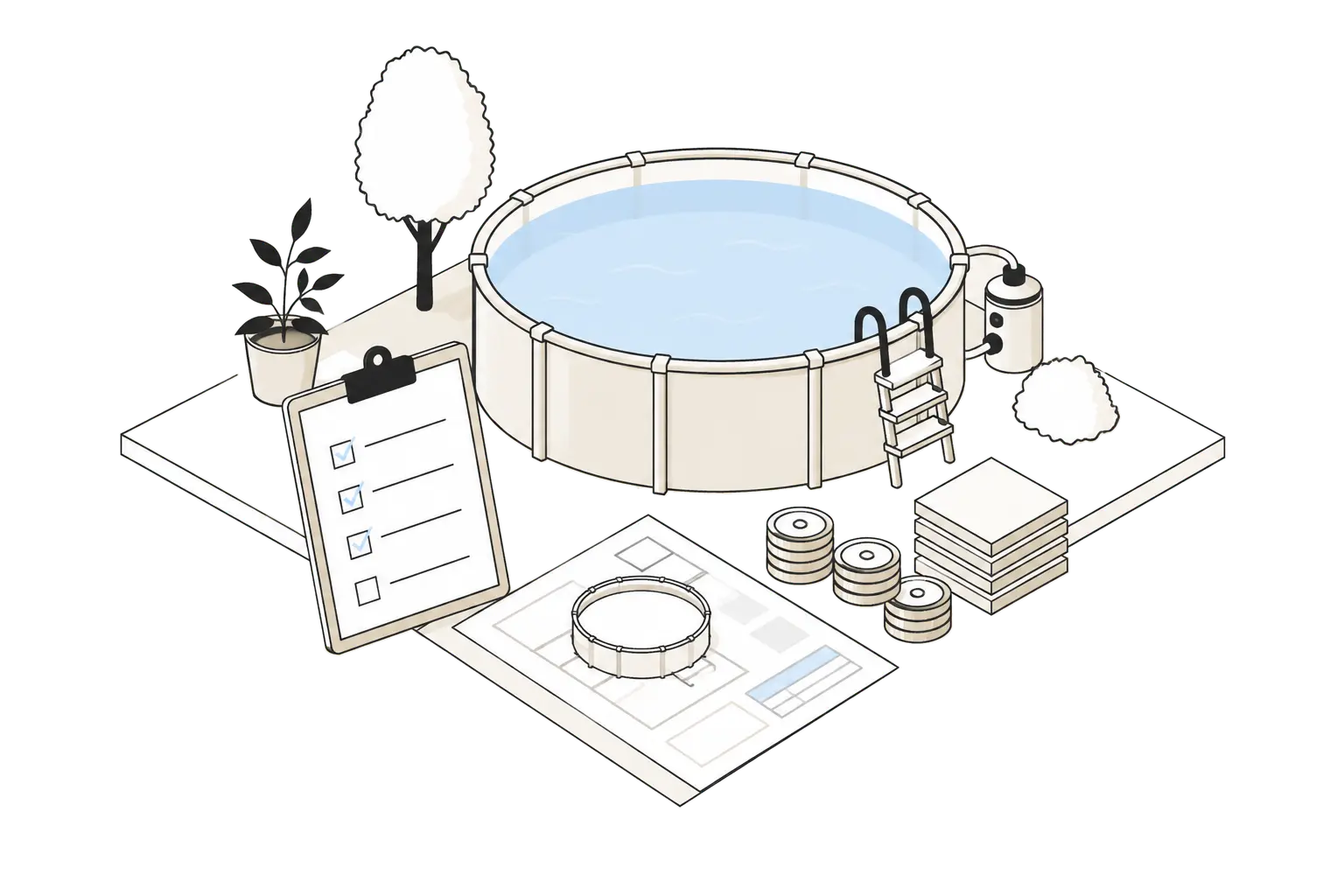
These are usually the simplest above-ground options. Inflatable or soft-sided pools work for seasonal use and homeowners who want a pool without a major build. Many are installed without a contractor, but financing may still be useful if the pool is part of a larger backyard project.
Steel-frame pools use metal supports and a vinyl liner to create a sturdy backyard pool setup. They are a common choice for homeowners who want a more permanent seasonal pool without a larger build. Steel is strong, but rust and corrosion can become concerns in wet or coastal climates.
Resin pools use rust-resistant components instead of metal in parts of the frame. They often cost more, but they can offer a cleaner look and less concern about corrosion. In colder areas, proper winter care helps protect the frame from cracking.
Hybrid pools combine steel and resin in the frame. The steel adds strength, while the resin helps reduce rust concerns in exposed areas. If the yard is not level, site work can add to the installation cost.
Semi-inground pools are partially recessed into the yard. They can work well on sloped lots or in backyards where a raised pool wall would feel too exposed. These projects usually cost more because they may involve excavation, drainage, and retaining support. Make sure the model is designed for semi-inground installation; not every above-ground pool can be buried.
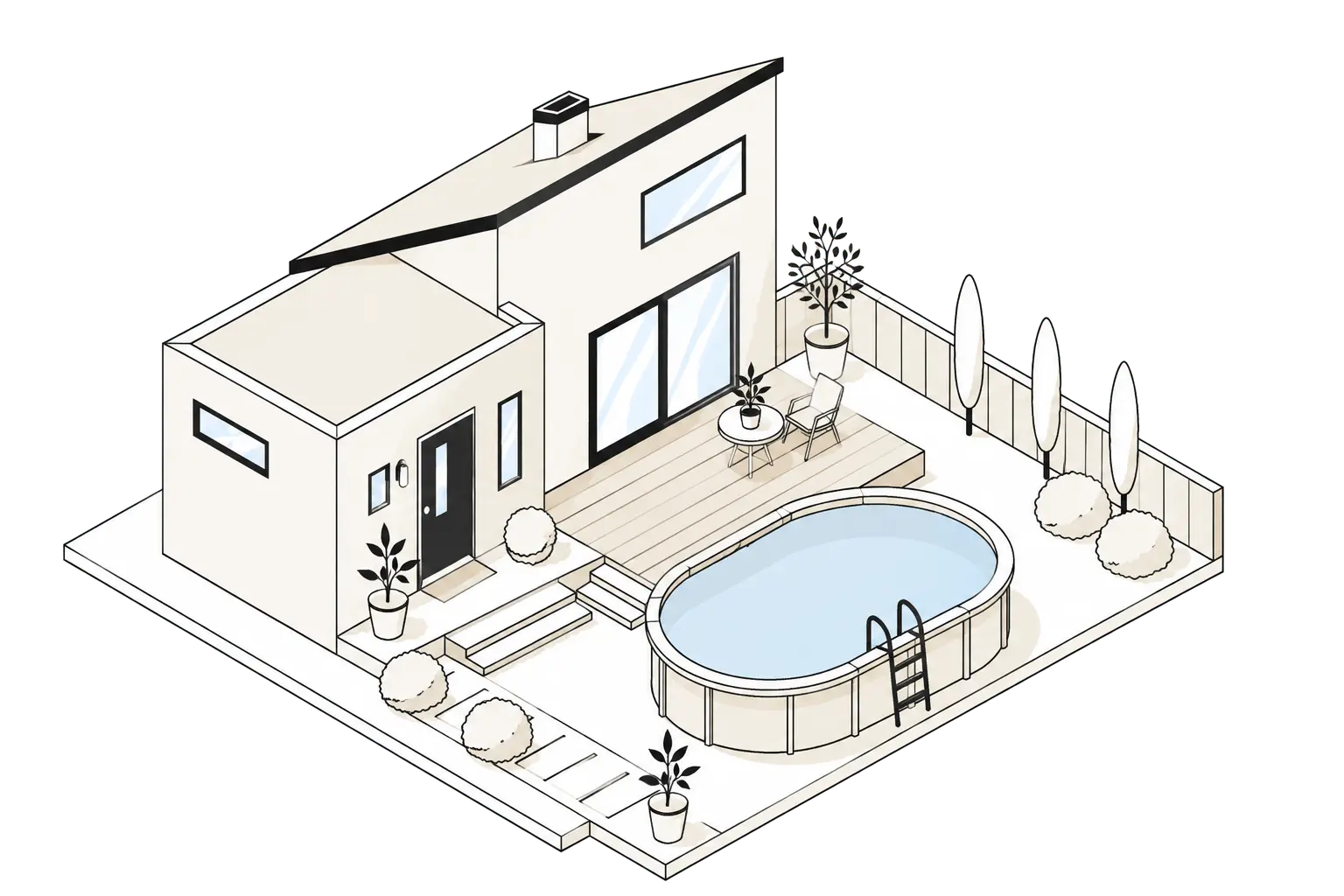
A deck can make an above-ground pool easier to use. It gives you a stable entry point and a cleaner transition from the yard or patio to the pool. If your pool area needs grading, planting, pavers, or lighting, landscape financing may help address those additional costs.
Round pools are common because they are simpler to frame and often cost less than oval pools. Oval pools may fit longer yards and leave more room for swimming, but they usually need extra side supports.
A simple backyard setup and a pool with a deck, electrical work, or site prep can land in very different budget ranges. Use the table below to compare common pool types before deciding on how much to request for a swimming pool loan.
| Pool Type | Estimated Pool or Kit Cost | Typical Installation or Add-On Cost | Common Size |
| Inflatable or Soft-Sided | $150–$2,500 | $0 for DIY setup; professional help varies | 8–18 feet across |
| Steel-Frame | $800–$3,000 | $800–$3,000 | 12–30 feet |
| Resin | $900–$5,000 | $800–$3,000 | 12–30 feet |
| Hybrid | $1,500–$5,000 | $800–$3,000 | 15–33 feet |
| Semi-Inground | $7,000–$20,000 total installed | Usually included in the total project quote | 12–30 feet, depending on shape |
| With a Deck | $800–$4,500 for the pool | $1,000–$20,000 for the deck | Varies by pool and deck layout |
| Round | $800–$3,200 | $800–$3,000 | 12–30 feet in diameter |
| Oval | $1,500–$3,000 | $800–$3,000; side supports may add labor | 12-by-24 to 18-by-33 feet |
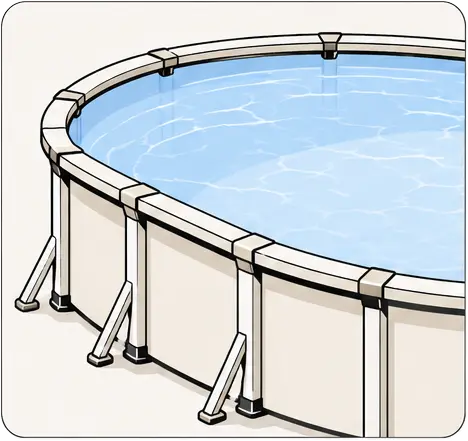
Larger pools usually cost more because they need a bigger frame, liner, and filtration system. Oval pools can also add labor because they often need extra side supports.
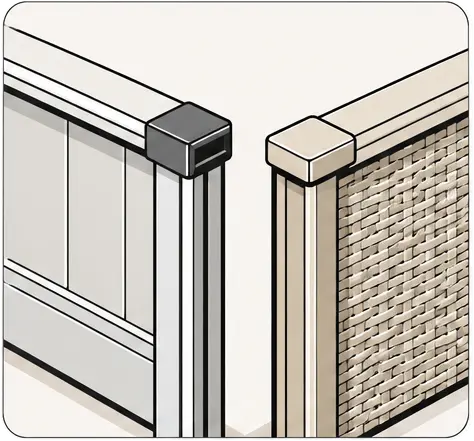
The material you choose affects both price and upkeep. Steel usually costs less upfront. Resin helps reduce rust concerns, while hybrid pools combine steel strength with resin parts.
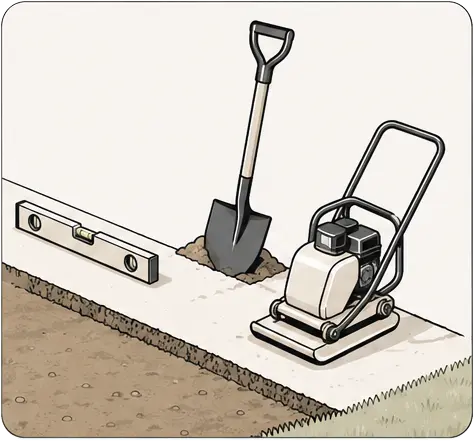
A flat, clear yard keeps installation simpler. If the contractor needs to level the ground, improve drainage, pour a pad, or run electrical lines, the project cost can rise.
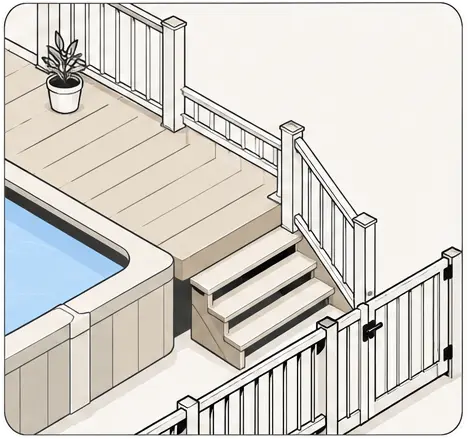
A pool deck, stairs, gate, or safety fence can turn a basic pool setup into a larger backyard project. Include these items in the budget if they belong to the same project.

Pricing can change by location. Contractor availability and seasonal demand can affect the final estimate.

Some cities require permits for pools, decks, fencing, or electrical work. Ask your contractor what your area requires before you finalize the budget.
These are some of the most typical financing paths people choose when paying for their new backyard oasis.
An unsecured home improvement loan can be used to finance above-ground pools. The lender typically does not require home equity or a property lien. Borrowers usually receive a lump sum and repay it in fixed payments over a set term.
Some pool retailers and dealers offer financing at the point of purchase. This can be convenient if you are buying the pool and installation package from the same company.
Credit cards or buy now, pay later plans may work for smaller purchases, such as accessories, pool covers, pumps, or soft-sided pools. They can become expensive for larger projects if the balance carries interest or the repayment period is short.
A home equity loan or HELOC uses your home as collateral. A home equity loan usually provides a lump sum. A HELOC works more like a line of credit that you draw from as needed.
These options may be considered for larger backyard projects, but missed payments can put the property at risk.
Here’s what to watch out for to keep your pool in tip-top shape all season.
Whether you’re ready to jump into your new pool or you’re still looking for a pro to help you get started, we’re here to help.

Renovate does not charge you to submit a request. If you accept a loan, the lender will disclose its fees and borrowing costs in the loan terms.

Start online with your personal, financial, and project details, including the pool, installation, and related work.

Renovate can try to connect you with a pool contractor. Availability depends on the project, your location, and the companies in the network.

You do not need a particular credit score to submit a request. A lender decides whether to approve the application and what terms to offer.

Tell us about the project to see whether a financing option may be available through our third-party lenders.
Consumers with all credit types are welcome to submit a loan request through Renovate, but approval is not guaranteed. A lender may consider your credit, income, employment, debts, requested amount, and project details before deciding whether to offer financing or what terms to provide.
Some companies advertise above-ground pool financing with no credit check, but Renovate does not guarantee that option. A lender may review your credit or other financial information. Ask whether the first review uses a soft inquiry and whether completing the lender’s application will result in a hard inquiry.
How much you can borrow depends on the lender, your finances, and the project cost. Build the full budget before submitting a request, including the pool, delivery, installation, electrical work, fencing, site preparation, and any deck or landscaping in the project.
Decision and funding times vary by lender. Renovate will try to connect you with an independent lender after you submit a request. The lender may need more information before making a decision, and the funds may take longer to arrive than the initial review.
Some lenders may allow one loan request to cover the above-ground pool and professional installation. Include delivery, site preparation, electrical work, fencing, and other planned costs in the project scope. The lender will decide which expenses it will finance and whether to approve the requested amount.
There is no single minimum credit score across all lenders. Each lender sets its own requirements. Credit may affect approval, the amount available, and the terms. A lender may also consider income, employment, current debts, project cost, and other information.
Some lenders may allow an above-ground pool and deck to be financed as one backyard project. Include both costs, then ask which expenses are eligible before accepting a loan. Renovate’s deck financing page covers additional ways homeowners may pay for the deck.


