Adding a pool to your home can be exciting for you and your family – imagine all the pool parties, gatherings with friends, and lazy days spent tanning by the water. It can also be a costly venture.
Pool installation costs can range from a few thousand dollars for a basic professionally installed above-ground pool to $150,000 or more for a large custom in-ground pool. Many above-ground projects land in the low five figures before major add-ons, while premium models, surrounding decks, electrical work, or extensive site preparation can push the total toward $20,000 or more. Inground pools commonly require a starting budget of about $35,000 to $50,000, and full projects can climb much higher depending on material, site conditions, decking, fencing, landscaping, and upgrades.
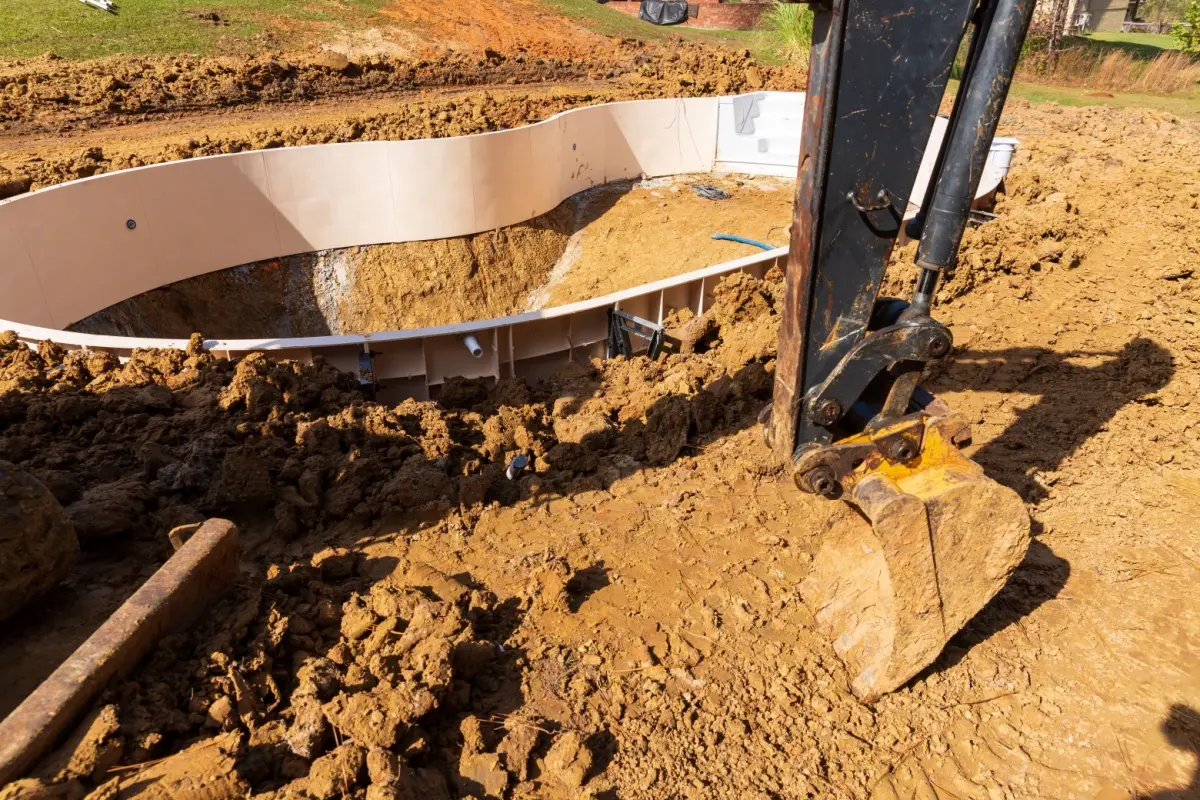
The final cost to install a pool depends on the pool type, size, material, depth, site conditions, labor rates, permits, equipment, and features you choose. A simple above-ground pool may be installed relatively quickly with limited site preparation. In contrast, a custom in-ground pool can require excavation, engineering, electrical work, safety improvements, and significant yard restoration.
This guide explains the full swimming pool installation cost landscape so you can set a realistic budget, compare pool types, and decide which project details deserve closer research.
The average pool installation cost varies widely because “pool installation” can mean anything from setting up a prefabricated above-ground pool to building a fully customized concrete pool with a spa, lighting, patio, and landscaping.
As a broad planning benchmark, professionally installed above-ground pools often cost a few thousand dollars before major add-ons. Larger above-ground projects with premium materials, surrounding decks, electrical work, or extensive site preparation can cost much more.
In-ground pools require a larger starting budget. Many vinyl liner inground pools fall in the mid-five-figure range, while fiberglass and concrete or gunite pools often cost more because of shell fabrication, excavation, labor, finish work, and customization. Full backyard projects with decking, fencing, lighting, heating, landscaping, and premium features can exceed the basic pool-installation range.
| Pool type | Typical installed cost | Best for |
| Above-ground pool | $2,000–$12,000; $20,000+ with premium models, decks, or heavy site work | Homeowners seeking the lowest upfront cost and faster installation |
| Vinyl liner inground pool | $35,000–$90,000 | Buyers who want an inground pool at a lower entry price |
| Fiberglass inground pool | $45,000–$125,000 | Homeowners who value speed, a smooth surface, and lower routine maintenance |
| Concrete or gunite in-ground pool | $50,000–$150,000+ | Buyers who want maximum customization and a long-term backyard feature |
| Semi-inground or specialty pool | $10,000–$60,000+ | Sloped lots, compact yards, or homeowners seeking a middle ground |
These are broad Renovate planning estimates, not contractor quotes. Local labor rates, site access, soil conditions, permitting rules, decking, safety requirements, and finish work can shift the final price significantly.
The right pool type depends on more than the initial price. Installation complexity, long-term maintenance, appearance, durability, and how long you plan to stay in the home can all affect the value of your investment.
Above-ground pools are generally the most affordable option because they require less excavation and structural work than in-ground pools. A basic model may be suitable for homeowners who want a seasonal swimming option without committing to a major permanent renovation.
However, the total can rise when you add a surrounding deck, upgraded filtration equipment, electrical work, landscaping, or a more durable resin or composite structure. Some homeowners also choose semi-inground styles that sit partially below grade and can blend more naturally with a deck or sloped yard.
For a deeper breakdown of above-ground pool sizes, deck costs, materials, and professional installation pricing, see our guide to above-ground pool installation cost.
Vinyl liner pools are often the least expensive type of traditional inground pool. They can offer more shape flexibility than fiberglass and a softer surface underfoot, making them appealing to homeowners who want an inground pool without the price of a custom concrete build.
The tradeoff is that liners eventually wear out and may need replacement.
Fiberglass pools arrive as prefabricated shells, which can shorten the construction timeline once excavation and site preparation are complete. Their smooth surface is generally less prone to algae buildup than rougher concrete finishes, which can help reduce routine cleaning needs.
The main limitation is customization: homeowners usually choose from manufacturer-provided shell sizes and shapes rather than designing a completely custom pool. Shipping and backyard access can also affect feasibility, particularly on narrow lots.
Concrete and gunite pools are the most customizable options. They can be designed around unusual lot shapes, integrated with spas or water features, and built in a wide range of depths and configurations.
That flexibility comes with a higher upfront cost, longer construction timeline, and potentially greater long-term maintenance needs. Concrete finishes can eventually require resurfacing, which is covered in more detail in our pool resurfacing cost guide.
Several variables determine how much it costs to install a pool. Understanding them before requesting estimates can help you compare proposals more accurately.
Pool type and material: Above-ground pools typically cost less than inground pools, while vinyl-liner, fiberglass, and concrete pools each have different material and labor requirements.
Pool size and depth: Larger pools require more materials, water, equipment capacity, excavation, and labor. Deep pools can also increase digging and engineering requirements.
Pool shape: Standard rectangles and simple curves are usually easier to build than freeform, geometric, or highly customized designs.
Excavation and ground leveling: Rocky soil, slopes, groundwater, tree roots, poor drainage, or existing structures can make site preparation more expensive.
Property access: A backyard with limited gate width, steep access, or tight spacing between homes may require specialized equipment or additional labor.
Local labor rates: Installation costs vary by region, contractor availability, demand, and local construction conditions.
Permits and inspections: Most permanent pools require permits, inspections, and compliance with local safety rules. Requirements vary by city and county.
Electrical requirements: Pumps, lighting, automation, and heaters may require new circuits, electrical-panel upgrades, or trenching.
Landscaping and restoration: Pool construction can disrupt lawns, irrigation, fencing, patios, and planting areas. Restoring the yard is often a meaningful part of the overall budget.
Pool size affects excavation, materials, water volume, equipment capacity, and long-term maintenance. The ranges below are broad in-ground pool planning estimates; above-ground pool sizing works differently and is usually driven more by kit type, site preparation, and whether a deck is included.
| Pool size | Broad in-ground installation estimate |
| 10 x 20 ft. | $30,000–$60,000 |
| 14 x 28 ft. | $40,000–$100,000 |
| 16 x 32 ft. | $50,000–$130,000 |
| 20 x 40 ft. | $80,000–$200,000+ |
These ranges can overlap significantly because size is only one cost driver. A smaller fiberglass or concrete pool with premium finishes may cost more than a larger vinyl liner pool with a simpler design. Large pools also tend to require more decking, equipment capacity, water, electrical work, and site restoration.
When choosing size, consider how you will actually use the pool. A smaller plunge-style pool may work well for lounging and cooling off, while a larger rectangular pool may make more sense for families, entertaining, or lap swimming.
A pool shell or structure is only one part of the project. Homeowners are often surprised by the costs that surround the pool itself.
Here are some of the most common add-ons and their typical budget impact.
| Add-on | Typical budget impact |
| Permits and inspections | $100–$1,800 |
| Site prep or excavation complications | $500–$5,000+ |
| Decking or patio work | $3,000–$20,000+ |
| Fencing and gates | $1,500–$15,000+ |
| Basic pool cover | $75–$500+ |
| Automatic pool cover | $5,000–$22,000+ |
| Heating system | $1,600–$7,500+ |
| Pump and filter equipment | $500–$3,000+; more with plumbing or electrical changes |
| Lighting or electrical features | $500–$5,000+ |
| Basic landscaping restoration | $500–$5,000+ |
Permits and inspections: Local requirements may include building permits, electrical permits, inspections, and safety approvals.
Fencing and gates: Many jurisdictions require barriers, self-closing and self-latching gates, or other safety measures around residential pools. The Consumer Product Safety Commission recommends that pool barriers include gates that open away from the pool and are self-closing and self-latching. Local code requirements vary, so homeowners should confirm rules with their building department before installation.
Decking or patios: Concrete, pavers, tile, wood, or composite decking can become a major part of the project budget. If your existing deck needs attention before or after installation, explore Renovate’s deck repair services.
Pool covers: Pool covers can reduce debris and help limit evaporation, while safety-rated covers may also help restrict access to the water when used correctly. The US Department of Energy notes that pool covers can reduce heat loss when used consistently.
Lighting: Underwater lights, pathway lights, and landscape lighting can improve nighttime use but add electrical and installation costs.
Heating systems: A heater can extend the swimming season, but it also adds equipment, installation, and operating costs. Our pool heater replacement cost guide covers this topic in greater detail.
Pumps and filtration equipment: Most pool installations include standard circulation and filtration equipment, but upgraded pumps, filters, automation-ready controls, or plumbing and electrical changes can add to the total cost. Variable-speed pumps may help reduce energy use, but the right equipment depends on pool size and system design.
Electrical work: New circuits, bonding, panel upgrades, and trenching may be required depending on the equipment and local code.
Landscaping: Planting, irrigation repairs, drainage improvements, retaining walls, and yard restoration can add meaningful costs. Homeowners planning a larger outdoor project can explore landscape financing options.
Water delivery or filling: Filling a large pool may affect your water bill, and some homeowners choose water delivery where local supply or well capacity is a concern.
Safety features: Alarms, safety covers, fencing, gates, and non-slip surfaces may be required or strongly recommended depending on the property and household.
Premium features can add anywhere from a few hundred dollars for simple lighting or small water features to tens of thousands of dollars for an attached spa, infinity edge, enclosure, pool house, or major outdoor living upgrade.
Common high-end additions include infinity edges, saltwater systems, built-in spas, automation systems, pool houses, fire features, custom lighting, waterfalls, fountains, automatic covers, and enclosures.
A built-in spa, for example, may require additional plumbing, heating capacity, controls, and structural work. An infinity edge can require specialized engineering and a catch basin. A pool house may involve separate permitting, utilities, and foundation work.
The most important budgeting step is to distinguish between must-have features and upgrades that can be added later. A contractor can help identify which decisions need to be made during initial construction and which ones can be phased in after the main pool is complete.
The cost to build a pool is only the beginning. Pool owners should also budget for routine cleaning, chemicals, water, electricity, repairs, seasonal opening and closing where applicable, and eventual equipment replacement.
Many homeowners spend roughly $1,000 to $4,000 per year on basic upkeep, including cleaning, chemicals, and routine service. Full annual ownership costs can be higher once electricity, water, repairs, seasonal opening and closing, heating, and eventual equipment replacement are included. Heated, large, and concrete pools with more demanding surface care can cost more to maintain.
Energy use can be a major variable. The Department of Energy notes that heating a pool can add substantially to utility bills, while efficient pumps, appropriate run times, and covers can help reduce energy use. (The Department of Energy’s Energy.gov)
Over time, owners may also need to replace the liner, resurface, repair leaks, replace the pump, or perform renovation work.
There is no single pool type that offers the best value for every homeowner. The best option depends on your budget, yard, desired lifespan, maintenance tolerance, and plans for the property.
| Pool type | Upfront cost | Customization | Long-term considerations |
| Above-ground | Lowest | Limited to moderate | Lower entry cost, but may have a shorter lifespan and less resale appeal |
| Vinyl liner in-ground | Moderate | Moderate to high | Lower inground entry cost, but liners require eventual replacement |
| Fiberglass inground | Moderate to high | Limited by shell options | Smooth surface and relatively low routine maintenance, but fewer custom shapes |
| Concrete or gunite | Highest | Highest | Long lifespan and extensive customization, but higher maintenance and future resurfacing needs |
Above-ground pools may offer the best value for homeowners who want affordable seasonal use. Vinyl-liner pools can be a practical entry point for buyers who want an inground look without a concrete budget. Fiberglass can be attractive for homeowners who prioritize speed and simpler maintenance. Concrete or gunite may make the most sense for long-term owners who want a custom design and are prepared for a larger investment.
National listing data suggest that homes with pools can command a premium in some markets, but that does not mean a new pool installation will return its full cost. Home size, location, climate, neighborhood expectations, and overall property condition all influence resale impact.
Climate matters. In warm regions where pools are common, a well-maintained pool may be more attractive to buyers than it would be in a cooler area with a shorter swimming season. Neighborhood expectations also matter: in some communities, a pool is considered a desirable amenity, while in others, buyers may view it as an added maintenance responsibility.
Pool type, condition, safety features, yard size, and overall design all influence buyer perception. A pool that leaves little usable yard space, needs major repairs, or lacks updated safety features may be less appealing than one that is integrated thoughtfully into the property.
You do not necessarily need to choose the cheapest pool to control your budget. The goal is to spend intentionally on the features that matter most for your household.
If you are considering financing, explore swimming pool financing options or learn more about home remodeling financing. Independent lenders determine the availability of financing, terms, and approval.
Choosing the right contractor is one of the most important parts of managing pool installation costs and avoiding surprises. Look for a contractor with experience in the specific pool type you want, whether that is above-ground, vinyl liner, fiberglass, or concrete.
Ask for proof of licensing and insurance, examples of completed projects, references, warranty details, and a written estimate that clearly identifies what is included. The proposal should address expected timing, permitting responsibilities, site preparation, equipment, safety requirements, and how change orders will be handled.
You can also review Renovate’s guide to choosing a pool contractor before comparing proposals.
Whatever your pool project needs, Renovate makes it easier to find a trustworthy contractor.*
*Independent contractors provide quotes. Availability and pricing may vary.
Pool installation can cost a few thousand dollars for a basic professionally installed above-ground pool and $35,000 to $150,000 or more for an inground pool. The final price depends on pool type, size, material, site conditions, permits, equipment, decking, safety features, and upgrades.
Above-ground pools are generally more cost-effective upfront because they require less excavation and construction. Inground pools cost more but can provide a more permanent appearance, greater customization, and potentially stronger appeal in certain housing markets.
Vinyl liner pools are typically the least expensive type of traditional inground pool. They often have a lower upfront cost than fiberglass and concrete pools, though the liner will eventually need to be replaced.
Basic soft-sided or steel-frame pools are usually the least expensive above-ground options. More durable resin, steel-wall, and semi-inground models cost more but may offer a longer lifespan and a more finished appearance.
An above-ground pool may take anywhere from a few days to a few weeks, depending on site preparation and decking. In-ground pool timelines can range from several weeks to several months, especially when permitting, weather, excavation challenges, custom features, or contractor scheduling are involved.
For most in-ground projects, the pool structure, excavation, and labor are the largest expenses. However, decking, retaining walls, landscaping, electrical work, and premium features can also become major budget items.
Many homeowners spend about $1,000 to $4,000 or more annually on cleaning, chemicals, water, energy, routine service, and minor repairs. Costs can be higher for heated pools, larger pools, and homeowners who hire professional maintenance weekly.
Fiberglass pools are generally less expensive than concrete pools, especially when comparing standard designs. Concrete pools cost more because they require more labor and allow for greater customization.
Most permanent pools require permits, inspections, and compliance with local safety rules. Requirements vary by location and may include fencing, gates, electrical work, drainage, setbacks, and safety covers. Check with your local building department before starting the project.