The cost of removing an above-ground pool typically ranges from $300 to $5,000 nationwide. A small, easy-access pool may cost $300 to $900 for basic dismantling, while standard professional removal and haul-away typically range from $800 to $3,000. Projects with deck demolition, electrical disconnection, disposal fees, concrete removal, or yard restoration can exceed $5,000.
A simple dismantling project can often be completed in a day. A larger project that includes hauling debris away, removing an attached deck, coordinating utility disconnections, and restoring the yard can cost several thousand dollars more.
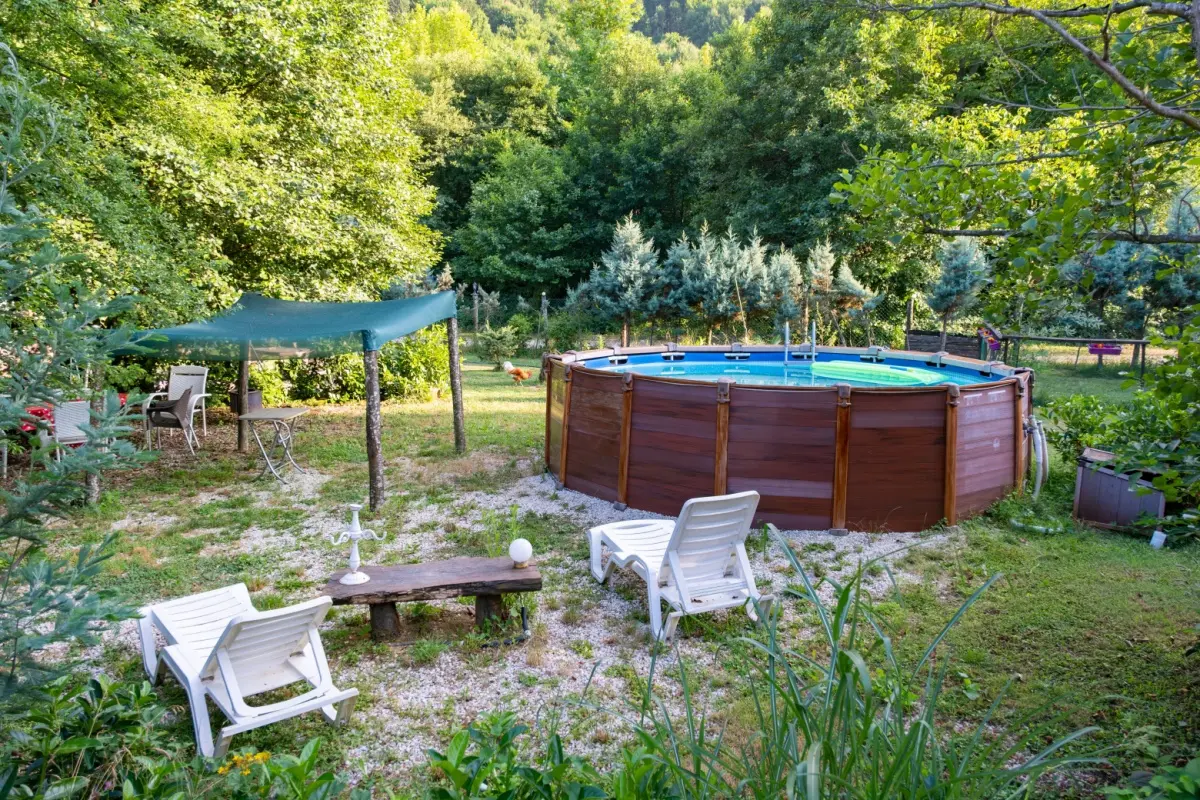
If your pool is aging, damaged, rarely used, or taking up valuable yard space, removal may be a practical alternative to ongoing repairs and maintenance.
Removal costs vary considerably from one property to another. The biggest variables are labor, disposal fees, site access, and what happens to the area after demolition.
| Removal Service | Typical Cost |
|---|---|
| Basic pool dismantling, easy access | $300–$900 |
| Professional dismantling and haul-away | $800–$3,000 |
| Removal with a small pool platform or simple deck | $1,500–$5,000+ |
| Removal with a larger or multilevel deck | $3,000–$7,000+ |
| Removal with grading, soil, sod, or landscaping | $1,500–$6,000+ |
Homeowners are often surprised that demolition itself is not always the largest expense. Restoring the yard after removal can add a significant amount to the final bill, especially if the area needs grading, drainage improvements, new sod, or landscaping.
Most above-ground pools are removed for practical reasons rather than cosmetic ones.
Chemicals, cleaning, repairs, inspections, and seasonal maintenance can add up over time. For those reasons, some homeowners decide that the ongoing cost no longer matches how often the pool is used.
If maintenance expenses are becoming difficult to justify, it may be helpful to compare them against the long-term cost of ownership outlined in our pool maintenance cost guide.
Pool walls, liners, pumps, and filtration systems all have a limited lifespan. Once several components begin failing at the same time, replacement costs can approach the cost of a new pool.
Families with young children, grandchildren, or pets sometimes decide that removing the pool creates a safer outdoor environment.
Some homeowners also remove a pool to reduce liability concerns or simplify insurance conversations. Removal does not guarantee a lower premium, but it can eliminate an aging feature that may require extra safety measures.
A pool that sits unused for most of the year still requires regular care. Homeowners frequently remove older pools after realizing they spend more time maintaining the pool than enjoying it.
In some neighborhoods, buyers view a pool as a benefit. In others, they see it as a future expense. Removing an aging above-ground pool can improve the appearance and usability of the yard before listing a home.
The space can often be turned into:
No two removal projects are exactly alike. Several factors influence the final cost.
| Cost Factor | Impact on Price |
|---|---|
| Pool size | Larger pools require more labor and disposal |
| Pool shape | Oval or custom-shaped pools may have extra bracing or deck connections |
| Pool materials | Steel, resin, and aluminum have different removal requirements |
| Backyard access | Limited access increases labor costs |
| Deck removal | Adds demolition and disposal expenses |
| Utility disconnections | Electrical and plumbing coordination may be required |
| Disposal requirements | Varies by municipality and material type |
| Haul-away fees | Increase with debris volume and the number of trips |
| Yard restoration | Often one of the largest expenses |
| Local labor rates | Significant regional differences |
| Permit requirements | May add administrative costs |
For example, a contractor can dismantle a small pool located near a driveway much faster than a large pool surrounded by fencing, landscaping, and a multilevel deck.
Removal methods vary depending on how the pool is installed. For this article, the two most relevant categories are standard above-ground pools and semi-inground pools.
A standard above-ground pool is usually dismantled in sections. Contractors typically drain the pool, remove the liner, disassemble the wall structure, disconnect equipment, and haul the materials away.
Projects are usually completed within one or two days.
Semi-inground pools require additional excavation and labor because part of the structure sits below ground level.
Removal costs are often higher than traditional above-ground pool demolition because contractors may need to remove retaining materials, backfill the area, and restore surrounding landscaping.
Larger pools contain more material and require additional labor for dismantling and disposal. They also often require larger crews, longer disposal times and additional equipment.
| Pool Size | Typical Removal Cost |
|---|---|
| 12-foot pool | $300–$1,200 |
| 15-foot pool | $800–$1,600 |
| 18-foot pool | $1,000–$2,000 |
| 21-foot pool | $1,500–$2,500 |
| 24-foot pool | $1,500–$3,000 |
| 27-foot pool | $1,800–$3,500 |
| 30-foot pool | $2,000–$5,000+ |
These estimates assume professional dismantling and haul-away. Deck removal, concrete removal, electrical work, tight access, and yard restoration can increase the total.
The removal quote you receive may not include every expense associated with the project. Before signing a contract, ask for a detailed breakdown so there are no surprises once work begins.
Don’t just focus on the demolition cost and overlook what comes next. Once the pool is removed, the area may need fresh soil, grading, drainage improvements, or new grass before it can be used again.
| Additional Cost | Typical Cost |
|---|---|
| Pool draining | $100–$300 |
| Disposal or haul-away | $150–$600 for many pool-only projects |
| Permit fees | $50–$500 |
| Standard fence removal | $300–$750 |
| Pool enclosure removal | $800–$2,000+ |
| Electrical disconnection | $150–$800 |
| Plumbing disconnection | Often included; $100–$500 if hard-plumbed |
| Concrete pad removal | $3–$8 per square foot |
| Fill dirt or topsoil | $10–$55 per cubic yard |
| Sod installation | $1–$3 per square foot |
| Landscaping restoration | $500–$5,000+ |
An attached deck can add a noticeable amount to the total project cost. The price depends on the deck’s size, material, height and accessibility.
| Deck Scope | Typical Removal Cost |
|---|---|
| Small pool platform or partial surround | $700–$1,700 |
| Small deck, about 100–200 square feet | $1,000–$2,500 |
| Medium deck, about 200–400 square feet | $2,500–$5,000 |
| Large or multilevel deck | $5,000–$7,000+ |
A simple platform deck surrounding part of the pool is often straightforward to remove. Multilevel structures with stairs, railings, lighting, or built-in seating require more labor and disposal work.
If your deck remains in good condition, deck repair or updates may be an alternative to complete removal.
Pool removal projects are regulated differently from one city to another, especially when water drainage, electrical equipment, a deck, or a concrete base is involved.
Some municipalities allow simple above-ground pool removal without a permit. Others require permits or inspections when electrical systems, water discharge, drainage, deck demolition, or structural components are involved.
Before scheduling demolition, check:
Before draining the pool, ask your contractor or local public works department where the water can go. Some areas allow dechlorinated water to drain slowly onto the property; others require sanitary sewer disposal or prohibit discharge into storm drains. Some contractors handle permit applications as part of the project, though permit fees are often billed separately.
Recycling may also be possible. Metal pool walls, aluminum components, pumps, and some equipment can often be recycled instead of being sent to a landfill. Vinyl liners and resin pieces usually need standard disposal, and scrap yards may require materials to be separated first.
Removing an above-ground pool may seem straightforward, but demolition projects often involve more work than homeowners expect.
Professional contractors bring:
An experienced crew can often complete the project much faster than someone attempting to coordinate multiple trades and disposal services separately.
Hiring a qualified contractor can be especially valuable when the project includes deck removal, electrical coordination, concrete removal, or extensive yard restoration.
The demolition itself is only part of the project. Once the pool is gone, contractors typically focus on restoring the area so it can be used again. This may include:
The amount of work depends on how long the pool was in place and what condition the ground is in after removal.
Some yards need very little attention. Others require significant grading and soil replacement before grass can grow properly.
One reason homeowners remove pools is to create space for something they will use more often. Popular projects include:
Budgeting for these improvements early can help avoid delays once the pool has been removed. Lawn restoration is usually less expensive than patios, sheds, fire pits, or outdoor kitchens, which should be priced as separate projects. For larger landscape work, reviewing landscape financing options may help with planning.
The answer depends on the condition of the existing pool and your plans for the property. Replacement may make sense if:
Removal may be a better choice if:
If replacement is being considered, compare removal costs with above-ground pool installation cost, pool liner installation cost, pool pump replacement cost, pool heater replacement cost, and ongoing pool maintenance cost. Larger replacement projects may also be a reason to review swimming pool loan options.
In some neighborhoods, buyers prefer a large, open yard. In others, a pool may be viewed as a desirable feature.
A well-maintained pool can attract certain buyers. An aging pool that requires repairs can discourage them.
What removal often improves is usability. A clean, level yard gives future buyers more flexibility and can improve curb appeal, and for that reason, some homeowners choose removal before selling, especially if the pool is near the end of its lifespan. Removal may help with buyer appeal, but it does not guarantee a higher sale price.
A low quote is not always the best value when choosing a pool removal contractor. When comparing above-ground pool removal costs near me, make sure each estimate explains what is included. Before hiring anyone, ask about:
The proposal should clearly explain what is included and what costs may be charged separately.
Also, ask specifically about permits, disposal fees, utility disconnections, and site restoration. These items are often the source of unexpected expenses. Renovate’s guide to how to choose a pool contractor can also help you compare bids.
Getting that usable yard space back will likely be well worth the price of removing your above-ground pool. Just remember that when it comes to pool removal pricing, scope is the biggest factor. A small job can cost a few hundred dollars, but it can climb into the thousands as the scope expands.
Most standard above-ground pool removals take less than a day once the water is drained. Small, easy-access pools may take only a few hours, while deck demolition, tight access, concrete removal, or yard restoration can extend the project to one to two days or longer.
Maybe. A small, soft-sided pool is different from a hard-sided pool with wiring, plumbing, a deck, or a concrete base. Before booking the job, call your town or city building office and ask what they require. It is a quick check that can prevent delays.
Most pool removal jobs include draining the water, taking apart the frame, pulling out the liner, removing the pump and filter, and hauling the debris away. The quote may stop there. If you want the ground leveled, filled, seeded, or covered with sod, ask for that in writing.
Pool deck removal can add several hundred dollars for a small platform and several thousand dollars for a larger or multilevel deck. The total depends on size, height, material, stairs, railings, footings, and disposal requirements.
Sometimes it helps. If the pool is rusty, leaking, unused, or taking up most of the yard, removal can make the property look easier to care for. If buyers in your area expect a pool, the value change may be small. A clean, level yard matters most.