Metal roofing is known for its durability and staying power. It’s also becoming a more common sight in residential neighborhoods, with more people seeing it as a better roof type long-term than asphalt shingles.
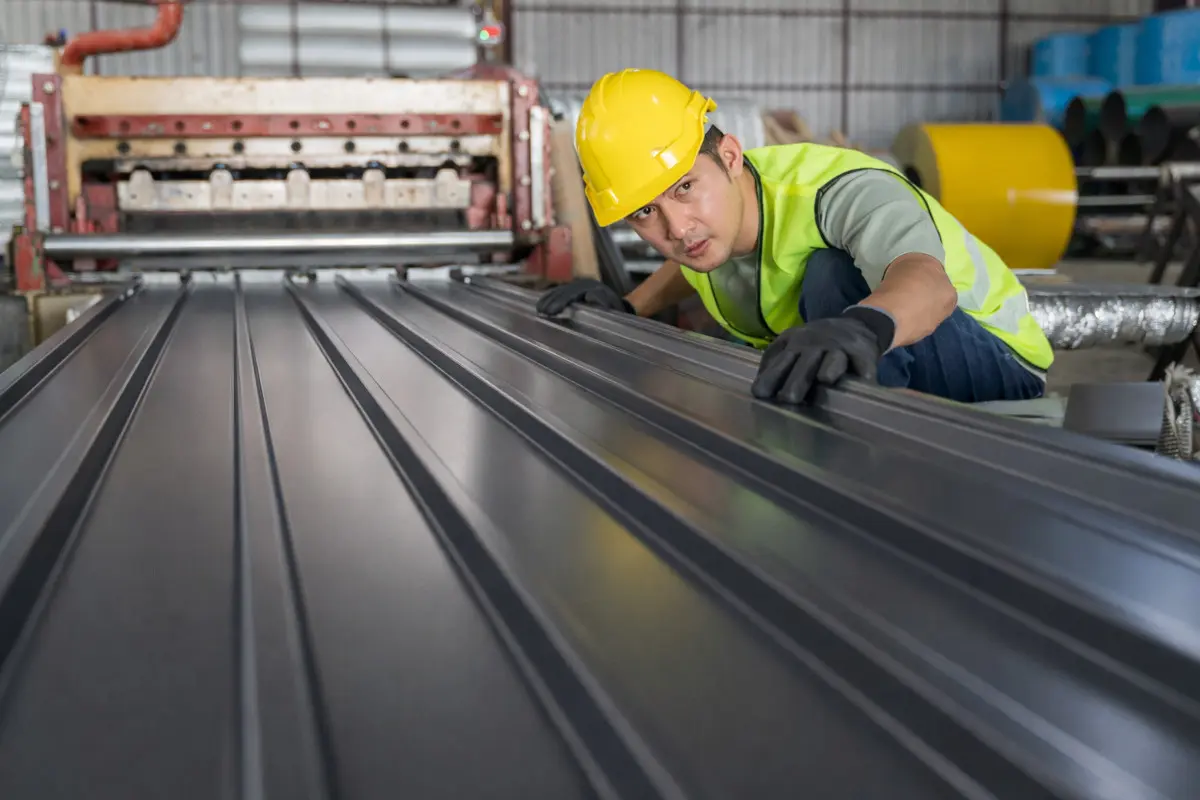
But here’s the thing: once you decide to go metal, you’ll find it isn’t a one-size-fits-all situation. Different types of metal roof panels come with vastly different looks and price points. Let’s break down the options so you can find the perfect match for your home and your budget.
Metal roofing options are often grouped by panel profile (shape), attachment system (hidden vs visible fasteners), and metal material (steel, aluminum, copper, zinc). The table below compares the most common residential panel options:
| Panel Type | Standing seam | Corrugated |
| What It Looks Like | Clean vertical seams, modern lines | Wavy profile, rustic and industrial feel |
| Fasteners | Concealed | Exposed |
| Lifespan | 50–70 years | 25–45 years |
| Maintenance | Low | Moderate (fasteners) |
| Installed Cost | High ($9–$16 per square foot) | Low–Mid ($5–$12 per square foot) |
The options below are still metal roofing, but they’re a little different from the usual choices. R-panels are metal panels, just less common on typical residential streets. Metal shingles and tiles are metal too, but they’re not panels.
| Roof Type | R-Panel | Metal Shingles and Tiles |
| What It Looks Like | Bold, boxy ribs and a more industrial look | Designed to look like asphalt shingles, wood shake, slate, or tile. |
| Fasteners | Exposed | Mostly concealed (interlocking) |
| Lifespan | 40–70 years | 40–80 years |
| Maintenance | Moderate (fasteners) | Moderate |
| Installed Cost | Mid ($5–$13 per square foot) | Mid–High ($6–$18 per square foot) |
Widely regarded as the industry standard, standing seam uses a concealed fastener to reduce leak points and accommodate thermal movement for long-lasting performance.
Standing seam is a solid choice if you want a roof that lasts a lifetime or have flatter sections where water drainage is a concern. It also makes adding solar panels much easier since they can be clamped directly onto the raised seams without drilling any holes.
Total installed costs in 2025 typically range from $9 to $16 per square foot, with premium materials like copper or zinc pushing costs toward $20 to $35 per square foot.
Originally used for barns and sheds, corrugated metal is now sometimes used for accents, porches, sheds, garages, and some full-home installs.
These are a great choice if you’re looking to save on costs, want a rustic farmhouse look, or just need a solid roof for your garage or shed.
Installed costs for corrugated steel range from $5 to $12 per square foot.
R-panels and their cousin, Ag-panels, are mostly used for industrial or farm buildings, making them a better fit for a shed or workshop than your main home.
These are often used for large homes with open framing, converted commercial buildings, or structured in areas that get heavy snow and hail.
R-panels typically cost 10% to 15% more than Ag-panels due to the increased steel content, with installed costs ranging from $5 to $13 per square foot.
These metal pieces are made to look like traditional materials like wood or stone while still providing the strength and durability of steel.
Homeowners in restrictive HOAs and those who prefer a traditional aesthetic but want a 50-year roof.
Installed costs range from $6 to $14 per square foot for basic metal shingles, while premium stone-coated or designer tiles can reach $18 or more.
Metal roofs all promise durability, but the day-to-day differences come down to a few simple things you can picture without getting technical.
Some panels create clean, straight lines that feel modern and minimal. Others have waves or ribs that add texture and can look more rustic or more utilitarian, depending on the home.
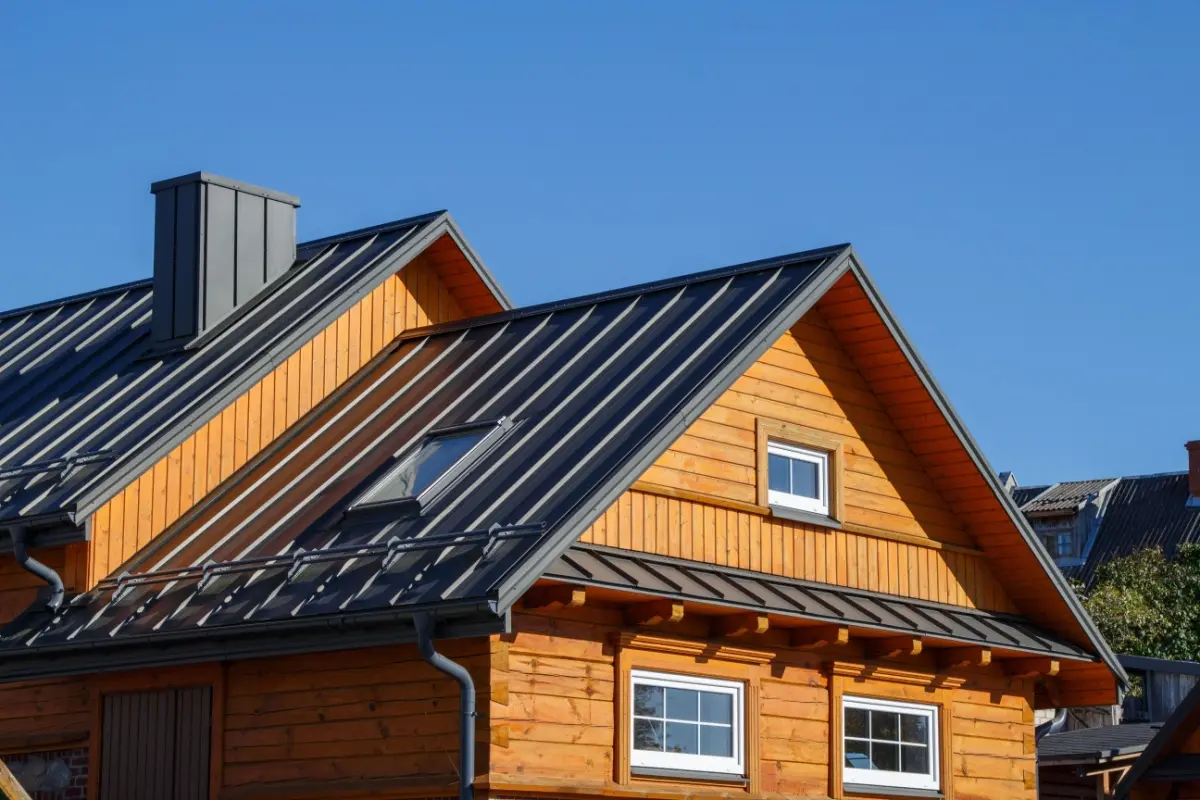
With some systems, the roof looks smooth because the attachment points are hidden. With others, you’ll see rows of screws.
The main difference between panels is how they handle the metal’s natural need to expand and shrink in the sun. Standing seam systems use hidden clips that allow the metal to expand and contract naturally, reducing the likelihood of rippling or popping sounds.
Because exposed fasteners are screwed directly into the wood, the metal is pinned in place. When it tries to expand in the heat, it can’t move easily, which can lead to a popping sound or eventually wear out the holes around the screws.
If you think you might want solar one day, the panel style matters a lot. Many standing seam panels allow solar racks to clamp directly onto the seams without drilling holes into the roof. Other panels require dozens of new holes to be drilled, which increases the risk of leaks down the road.
Because metal is slick, snow tends to slide off. Standing seam roofs shed snow the fastest because they are so smooth, but they are also the easiest to fit with snow guards that clamp onto the ridges without drilling holes.
Exposed-fastener panels (like wavy or ribbed styles) can help break up the snow a bit more as it slides, but adding snow guards to these usually requires screwing extra holes.
Across the different types of metal roof panels, the benefits tend to be similar, but the tradeoffs show up in cost, upkeep, and what your roof can handle.
Pros
Cons
The metal underneath determines how long your roof lasts and how well it resists rust. Here are the most common materials used for homes.
| Material | Best for | Key Benefit | Installed Cost |
| Steel (Galvalume/Galvanized) | Most residential homes and high-wind regions | Cost-effective, exceptionally strong, and widely available | $5–$14 per square foot |
| Aluminum | Coastal areas and high-humidity environments | It’s rust-proof even when near the ocean and very lightweight. | $10–$18 per square foot |
| Copper | Luxury or historic homes and architectural accents | Beautiful aging patina; extremely durable and a very long lifespan | $20–40+ per square foot |
| Zinc | Modern architecture and eco-friendly builds | Self-healing properties for minor scratches and a very long lifespan | $10–$22 per square foot |
The best choice depends on your roof and where you live. Start with roof pitch. If any sections are on the flatter side, you may need a metal system made for low-slope roofs, so confirm your pitch before you pick a panel style.
If your roof has a lot of angles, valleys, or vents and chimneys, consider a concealed-fastener panel. These offer a cleaner look and less maintenance. On the other hand, if your roof is straightforward and you’re looking to save money, a screw-down panel can be a smart, budget-friendly choice — unless your HOA requires a shingle-like appearance.
A metal roof is only as reliable as the installation. It’s worth hiring a roofer with experience installing the exact panel system you plan to use. Renovate helps homeowners connect with a contractor and explore flexible roof financing so you can confidently move forward.
Before signing a contract, ask:
Standing seam systems using high-quality Galvalume or aluminum typically last 40 to 70 years. For the ultimate lifespan, you can opt for natural metals like copper and zinc that develop a self-healing patina.
Corrugated and ribbed (Ag/R-panel) steel systems with exposed fasteners are the most cost-effective choices.
A home with a metal roof may sell for more than an asphalt alternative. However, you likely will not recoup what you paid for the roof, and ROI varies by market.
Yes, metal is ideal for older structures because it is relatively lightweight compared with many traditional materials like tile or slate, which helps preserve the integrity of aging foundations and structural lumber.
All paint systems can fade over time, but performance varies by coating type. Premium PVDF (Kynar 500) coatings are the gold standard, maintaining their vibrant color for 30 to 50 years, while lower-cost SMP coatings may show severe fading or chalk degradation within the first 10 years.
Metal roofing is one of the most sustainable options available. Most products contain at least 25% recycled content and are recyclable at the end of their service life.
Yes. Homeowners can choose from a vast array of standard, matte, and specialty colors. Custom PVDF finishes can even mimic the appearance of weathered patinas, wood grain, or traditional clay.
Yes. Due to their high solar reflectivity and thermal emittance, metal roofs can reduce summer cooling costs compared to traditional roofs. According to the EPA, cool roofs can reduce peak cooling demand in air-conditioned buildings by 11% to 27%.
Not usually. In a typical home, metal panels sit on decking with underlayment and attic insulation separating the roof from the rest of the house. The result is that homes with metal roofs can even have less sound from the rain than homes with asphalt roofs. That “loud tin roof” phrase comes from barns and porches with open framing.
Metal works well in both hot and cold climates. In hot climates, lighter colors and cool roof finishes reflect more sunlight and can help lower the heat getting into the attic. In cold climates, metal roofs handle snow well and shed it easily, but snow guards may be needed to control snow slides.
As the National Weather Service has explained, “the presence of metal makes absolutely no difference on where lightning strikes.” Location and height are what matter most. In fact, if a metal roof is struck by lightning, it can be beneficial compared to an asphalt roof because it’s noncombustible and can help spread or route the energy (especially if built to be able to ground the lightning).