Transform your cold storage space into a comfortable workshop and a haven for your car this winter. Proper heating reduces engine wear, protects sensitive storage, and even improves energy efficiency in adjacent rooms.
From simple DIY upgrades to permanent heater installations, we’re here to compare the best ways to heat a garage.
Before purchasing a unit, you need to determine the correct heat output (measured in BTUs or watts). Your specific requirements depend on the space size, local climate, and insulation quality.
As a general starting point for a moderately insulated garage, typical heating needs are:
The larger and draftier the space, the more powerful your garage heating system needs to be. Detached garages tend to lose heat more quickly since they don’t benefit from adjacent heated rooms. Attached garages, on the other hand, can borrow heat through shared walls but must be well insulated to avoid energy waste and safety risks.
With your heating needs calculated, it is time to explore the solutions. There are many efficient methods, ranging from quick fixes to permanent installations. Here are our top recommendations:
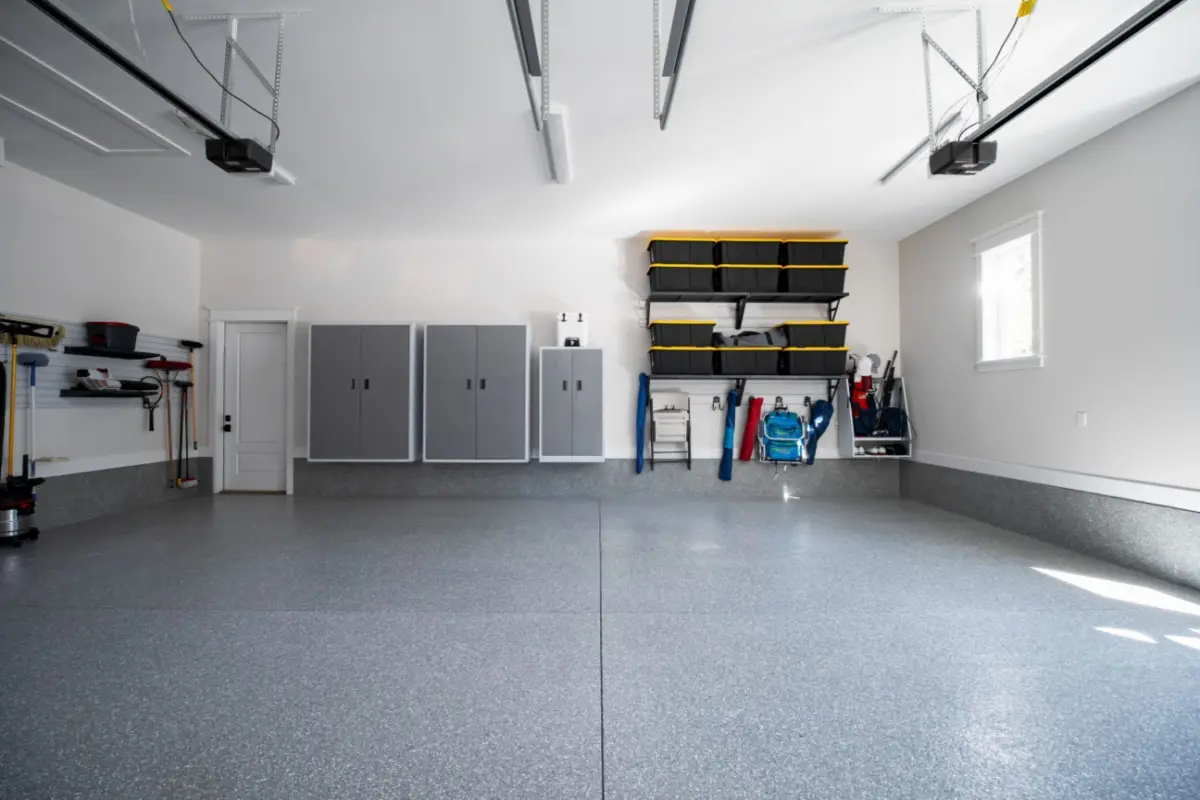
Because many garages are built with minimal insulation and exposed framing, the goal is to insulate the structure with appropriate materials. Focus your efforts on these three specific areas:
Check out garage insulation best practices here.
Convection heaters warm the air and circulate it to raise the room’s overall temperature. Options range from portable electric oil-filled radiators to powerful, ceiling-mounted gas units (forced-air) that function like a standard home furnace.
This method is ideal if you are looking for how to keep a garage warm in winter, maintaining more even, whole-room warmth in well-insulated garages. Because these units circulate warm air throughout the space, they create a uniform, comfortable environment similar to your home’s living spaces.
Key Considerations:
If you only need warmth for an hour or two at a time, a portable unit is often the cheapest way to heat a garage. These allow you to target specific zones, such as your workbench, without wasting energy heating the entire room.
Common Types:
Safety Note: Always keep heaters away from flammable materials and never leave them unattended. If using a fuel-burning model, ensure there is airflow, such as through a cracked door or window. This is especially critical in attached garages, where fumes from propane or kerosene heaters can seep into your home.
If you want to save floor space, look at overhead radiant panels. These flat units mount on your ceiling and work like the sun: they beam heat directly onto people and objects below rather than heating the air.
For many users, this is one of the most energy-efficient options for targeted heating, because it doesn’t waste energy warming unused air. Since the heat is stored in the floor and tools, you don’t lose all your warmth the moment you open the garage door.
Plus, they are completely silent and don’t stir up dust, making them perfect for woodworking or painting.
Quick Tips:
Cold concrete drains heat from your body, making even a heated garage feel chilly. While floor coverings don’t generate warmth, they act as a barrier between you and the cold ground.
Simple Options:
This step is mostly about comfort. Even if the air is warm, standing on freezing concrete is uncomfortable. New carpeting makes the space feel much cozier.
For a permanent solution that saves floor space, consider a wall- or ceiling-mounted electric heater. These are powerful fans that blow hot air and are bolted in place, keeping them safely out of your way and off the floor.
This is an excellent option if gas lines are unavailable. They are powerful enough to warm a two-car garage effectively and typically include a thermostat, so you can set the temperature and forget it.
Key Considerations:
For the ultimate luxury, you can install radiant floor heating. This system turns your entire concrete slab into a large, gentle radiator, warming the room evenly from the ground up.
It works by routing hot-water tubes or electrical cables through the floor material. Because heat rises, this eliminates cold spots and keeps your feet warm.
Key Considerations:
For year-round temperature control, many homeowners choose a ductless mini-split. This system uses an outdoor compressor and an indoor wall unit to pump heat into the garage during winter and provide air conditioning in summer. Ductless mini-split systems provide efficient heating and cooling for garages year-round. Because of their higher upfront costs, homeowners often consider HVAC financing to make these energy-efficient systems more affordable.
Because it moves heat rather than generating it, a mini-split is often more energy-efficient than standard electric resistance heaters. This makes it a strong contender if you are looking for a way to heat a garage for daily use without increasing your electric bill.
Key Considerations:
For a green, high-tech option, consider geothermal energy. This system uses the ground’s constant temperature to heat and cool your space. It works well even in freezing weather.
Because it requires digging and expensive equipment, this option is less common among garage heating solutions; it usually costs too much to install for a garage alone. However, if you are building a new house or thinking of ways to add value before selling your property, this can be the way to go.
Key Things to Know:
When planning the best way to heat a garage, you need to consider both upfront costs and monthly energy bills. A cheap $50 space heater might cost a fortune to run every day, while a $2,000 mini-split could save you money in the long run because it uses so little energy.
Typical Costs:
Investing in the right heating solution turns a cold, drafty box into a valuable asset. Whether you need to protect your vehicle from freezing temperatures or transform your garage into a living space, a warm environment ensures you can make the most of every square foot of your home, all year round.
If you’re concerned about initial costs, check out garage financing to help spread out payments for your new heating system.
| Heating Method | Estimated Cost | Efficiency | Maintenance / Notes |
| Improve Garage Insulation | $100–$1,000 (depends on walls, door, floor) | Very High – reduces heat loss, works with any heater | Low maintenance; check for gaps or moisture yearly |
| Convection Heater | $100–$800 (electric or gas) | Medium – warms air evenly but loses heat when the door opens | Minimal for electric; gas models require venting and annual inspection |
| Portable Space Heater | $50–$200 | Low–Medium – effective for small areas or short-term use | Low; ensure safe placement and ventilation for fuel models |
| Overhead Electric Panels | $200–$600 | High – direct radiant heat, energy-efficient | Minimal; check wiring and secure mounting |
| Floor Coverings (Mats, Tiles, Carpets) | $50–$500 | Medium – retains warmth, improves comfort, but doesn’t generate heat | Low; occasional cleaning and inspection |
| Wall/Ceiling-Mounted Electric Heater | $400–$1,000+ | High – warms entire garage, space-saving | Moderate; professional installation often required, periodic inspection |
| Heated Floor System (Radiant Floor) | $2,000–$10,000+ | Very High – uniform heat from the ground up | Low; long-lasting, but retrofitting is costly and time-consuming |
| Mini-Split Heating System | $1,500–$6,000+ | Very High – energy-efficient, dual heating & cooling | Low–Moderate; annual servicing recommended |
| Geothermal Heating | $10,000+ | Extremely High – uses ground heat, very energy-efficient | Low; high upfront installation, minimal maintenance, best for new construction |
Since we already established that insulation and portable heaters are your budget-friendly starting points, consider some free heat sources. Open south-facing window blinds on sunny days to let natural warmth in.
Also, instead of heating the entire room, focus on keeping your body warm—wearing a heated vest or thermal layers is far more cost-effective than heating 4,000 cubic feet of air.
It can be, specifically regarding rust. Heat accelerates corrosion, so if you park a car covered in frozen road salt inside a warm garage, the ice melts, and the salt starts eating away at the metal faster than if it stayed frozen outside.
To prevent this, wash your car frequently to remove salt, or keep the garage temperature just above freezing (around 40°F to 50°F) rather than toasty warm, which slows the chemical reaction.
While the correct number depends on comfort, energy experts suggest specific targets to save money:
Most plug-in electric units are safe for DIY use, but you need to draw a hard line at gas and high-voltage systems. Beyond the difficulty, these raise insurance and legal considerations.
Installing gas lines or 240-volt circuits often requires a building permit. If you perform unpermitted work and a fire occurs, your homeowners’ insurance may deny the claim. Always hire a pro for gas and hardwiring to ensure you are covered.