A homeowner once shared a story about a freezing night in January when their thermostat suddenly displayed a message they had never noticed before. A small alert next to the words “Emergency Heat” appeared out of nowhere. The outdoor heat pump was silent. The indoor unit (air handler) was doing all the work. By the end of the month, their energy bill had doubled.
Moments like that leave many homeowners confused and sometimes worried. What is emergency heat? When would you use it? And why does it cost so much?
Key Takeaways
What is emergency heat on a heat pump? It’s a backup mode in heat pump systems. When it activates, the heat pump outside stops running completely, and the home relies on a secondary heater inside the air handler. Electric resistance coils usually power this secondary heater, whereas dwellings with dual-fuel systems switch to a gas or oil furnace.
Don’t confuse emergency heat with a “boost” or “extra high heat” mode. Some systems also display AUX Heat or Boost modes, but these differ from Emergency Heat and are not included on every thermostat. It steps only when the heat pump cannot operate normally.
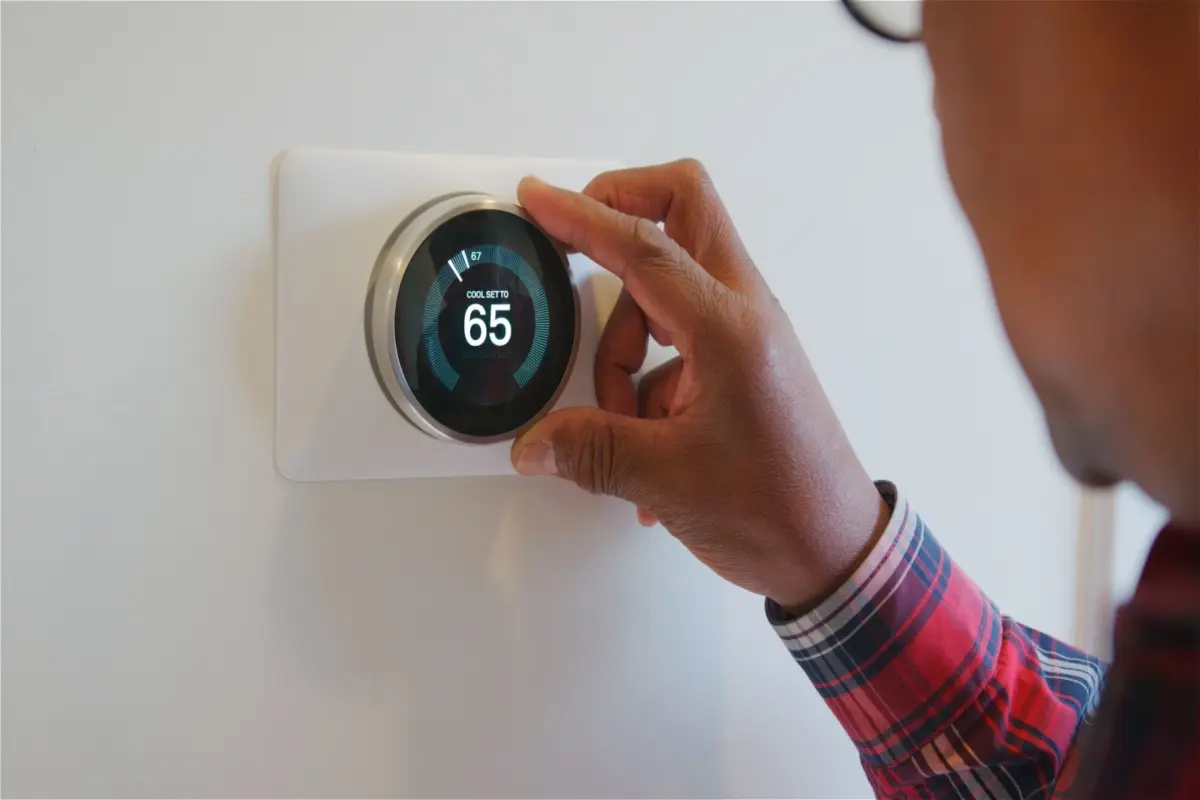
Most thermostats display this mode with a clear indicator. Some show the words “EM Heat”. Others use a red icon. Whenever you see it, the system is telling you that the primary heat source is unavailable.
To appreciate why emergency heat exists, you first need to understand how a heat pump typically works.
A heat pump collects heat energy from outside and transfers it inside your home. Even if the air outdoors feels cold, it still contains heat that the system can extract. This is why heat pumps are highly efficient. Moving heat requires far less energy than producing it.
As outdoor temperatures fall, there is less heat available to collect. The heat pump works harder and may reach a point where it cannot pull enough heat from the air. When that happens, the system automatically activates auxiliary heat. Auxiliary heat supports the heat pump when it struggles, but still allows the outdoor unit to operate.
Heat pumps often develop frost on the outdoor coil. To remove it, the system switches into a defrost cycle. For a few minutes, the heat pump temporarily reverses operation to melt the ice. This behavior is normal and not a sign that something is wrong.
Homeowners considering geothermal heat pump systems often explore financing options, as these installations involve specialized equipment and higher upfront costs. However, geothermal systems typically don’t require emergency heat because ground temperatures remain stable.
The emergency heat setting is a manual override. When you switch it on, the thermostat instructs the system to ignore the outdoor heat pump entirely. The home receives heat only from the electric coils or furnace inside the air handler.
When a dual-fuel system uses emergency heat, the furnace takes over completely. This option is more efficient than electric coils but still costs more than running the heat pump normally, and the actual operating cost depends on local gas or oil prices. It is designed for short-term use only.
What is the emergency heat setting used for? It’s only needed when the outdoor unit cannot operate safely. If you turn it on during regular winter weather, you will pay more on your energy bill without gaining any additional comfort. Here are some situations where emergency heat is the correct choice.
A thin layer of frost is normal. However, if the entire unit is buried in ice (which always indicates a malfunction since the defrost cycle should prevent complete freezing) and the defrost cycle cannot clear it, the heat pump should not run. Heat pump emergency heat protects the unit from damage until the ice melts or a technician inspects the system.
Branches, debris, animals, or weather events can damage the fan, coil, or electrical components. If the outdoor unit looks bent, broken, or blocked, turn on emergency heat and schedule service.
If the outdoor fan does not spin, the compressor never turns on, or the system keeps tripping the breaker, the heat pump cannot function. Emergency heat ensures the home remains warm during repairs.
Many thermostats place the emergency heat option close to the primary heating mode. It is very easy to activate it by mistake.
Change the thermostat setting from “EM Heat” to “Heat,” and the system should resume normal operations within a few minutes. Place your hand near a supply vent to confirm that warm air feels steady.
Over the next hour, watch how the thermostat behaves. If the heat pump struggles to maintain temperature or frequently triggers auxiliary heat, the accidental switch might have revealed a deeper issue. If everything works normally, then the emergency setting was simply selected by mistake.
While a heat pump might cost only a few dollars per day to operate in winter, emergency heat can push that cost to $10 to $20 per day, depending on home size, climate, and electricity rates. Larger homes, colder temperatures, and high electricity rates can make that number even higher.
In a properly maintained system, emergency heat does not pose a fire risk. The electric coils are enclosed in a metal housing and controlled by limit switches that shut them down if temperatures rise too high. Dual-fuel systems rely on a gas or oil furnace during emergency heat, which carries standard furnace-related safety considerations (not unique to the emergency setting).
If you smell burning plastic, see smoke, or hear unusual noises, turn the system off immediately and call a technician. The emergency setting itself is safe, but the surrounding conditions must also be in good shape.
Trouble happens when:
Emergency heat is helpful when the heat pump cannot operate, but it is not designed for long-term use. Several limitations make this mode far less practical than standard heating.
Emergency heat uses electric resistance coils, which require a large amount of power. This results in much higher heating costs, especially when the system runs for long periods.
Because the backup heater runs at full output whenever it operates, it places an extra electrical load on the system. However, the blower motor does not experience significantly more mechanical wear than in normal heating mode.
When emergency heat keeps the home warm, it can mask issues with the outdoor heat pump. Homeowners may not notice a failing compressor, a frozen coil, or a damaged fan until the problem becomes more serious.
Preventing emergency heat starts with simple habits.
Keep the area around the unit clear. Snow, leaves, plants, and debris can block airflow, reducing efficiency. After storms, take a quick look to ensure nothing damaged the fins or fan.
A clogged filter restricts airflow, forcing the system to work harder than it should. Changing filters every one to three months helps the pump operate smoothly and reduces strain on backup heaters.
Unusual noises, longer heating times, uneven temperatures, and frequent auxiliary heat activation are early signs of trouble. Addressing issues early reduces the risk of sudden failure.
Many homeowners use HVAC financing to keep up with system maintenance. A technician can check refrigerant levels, test sensors, clean coils, and ensure the defrost cycle is operating correctly.