Keeping your home comfortable shouldn’t feel like work, but smelly vents and poor air quality can creep up quietly. That’s usually when homeowners start wondering about the cost of air duct cleaning and whether the investment is worth it.
If you’re in that spot, you probably want straight answers. This guide breaks down real price ranges, what affects them, and how to avoid paying more than you should.
Across the country, most homeowners pay somewhere between $300 and $700 for a full air duct cleaning. Larger properties or systems with multiple runs and access points can push the price closer to $1,000.
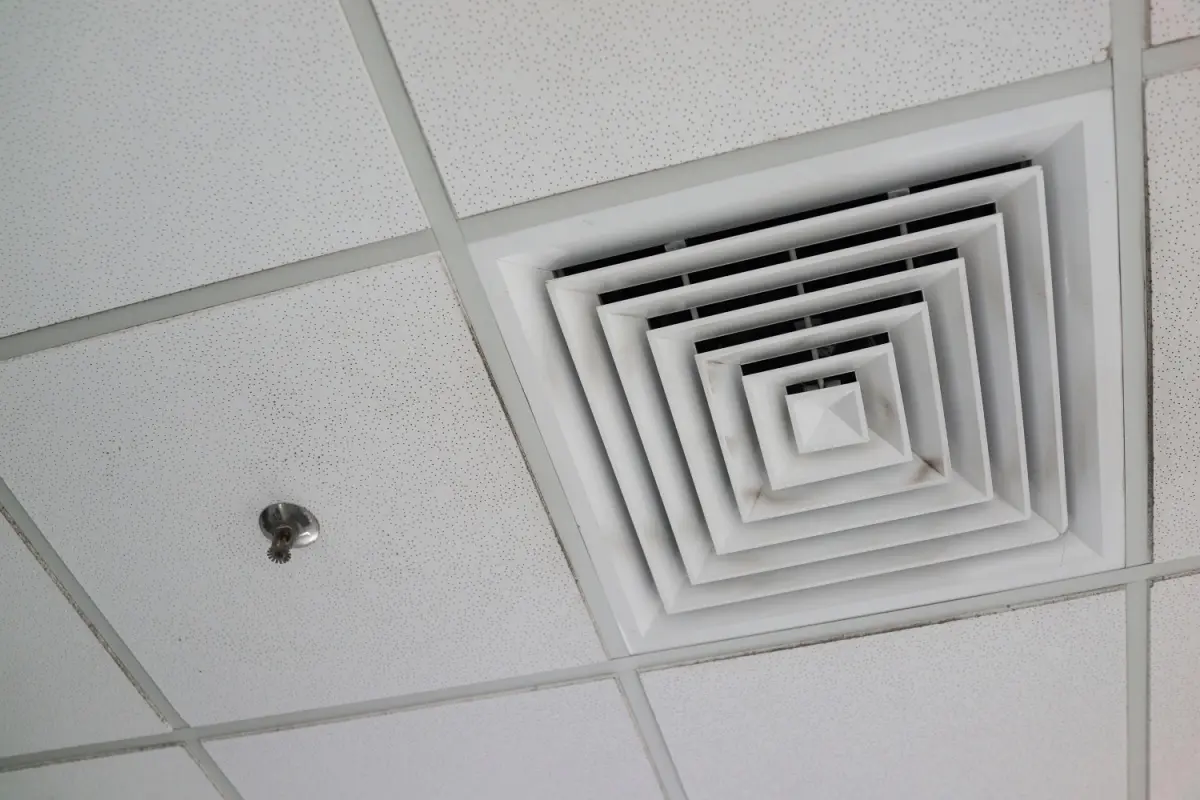
Two houses on the same street can get very different quotes for their duct cleaning services. Here are the factors that might affect your overall cost.
Bigger homes almost always cost more to clean because there’s more ductwork. Professionals usually price jobs by square footage, about $0.15 to $0.40 per square foot. This translates to roughly $180 to $480 for a 1,200-square-foot home.
Even in homes with similar square footage, the number of supply and return vents can change your quote. Some companies charge a base fee plus a per-vent rate, often in the $25 to $50 range.
Some systems take more work to clean. The National Air Duct Cleaners Association (NADCA) notes that homes with multiple zones, long branch runs, or mixed duct materials require more access points and more time.
That extra labor is what pushes these jobs toward the higher end of the price range. Common HVAC systems where complexity affects pricing include:
If your ducts are easy to reach from the basement or crawlspace, your job tends to sit on the lower end of the range. But when ductwork runs through tight attics or finished ceilings, techs may need extra time or an extra crew member, which can raise the price.
What’s inside your ducts can shift the price just as much as the size of your system. Light dust is quick to remove, but heavy debris like renovation residue, thick pet hair, or early microbial growth takes more time and stronger equipment.
If a technician finds mold, the cost of air duct cleaning rises even further. Some industry guides put mold remediation between $1,500 and $3,500, depending on how far it has spread. In severe cases, the cost can reach $6,000.
6. Add-On Services
Finally, your total air duct cleaning cost can increase if you bundle additional services during the same visit. Common add-ons include:
If you notice any of the following symptoms in how your air conditioner is working, it might be time to call the technician:
Most homeowners can expect their duct cleaning cost to include:
Air duct cleaning has its honest providers, but the industry is known for a few bad actors who rely on cheap ads and high-pressure tactics. Keep an eye out for:
Offers like “under $50” or “whole-home cleanings for $ 80” are common bait-and-switch tactics. These deals can often lead to surprise charges once the technician is inside your home.
A common scam in the duct-cleaning industry is telling homeowners that mold is present when it isn’t. There have been cases where companies have shown generic photos, misidentified everyday dust as toxic mold, and used this claim to push expensive add-ons.
A reputable company will take clear, close-up photos inside your actual ducts. They will show you the exact location of the growth and explain what they are going to do.
Cleaning vents yourself is cheap and quick, but it only reaches the surface. A professional service costs more, but it covers the entire system and usually delivers better results.
| Category | DIY | Professional Air Duct Cleaning |
| What Gets Cleaned | You can wipe and vacuum the vent covers and reach a little way into the ducts. | They clean every vent, every duct line, and the central unit. |
| Tools Needed | A shop vacuum, a brush, and a screwdriver. | Commercial vacuums, rotating brushes, cameras, and sealed equipment. You do not need to buy these. |
| How Well It Works | Good for light dust around the vents; won’t reach deeper buildup. | Removes heavy dust, pet hair, and debris that have become buried throughout the system. |
| Risks | You might push dust farther into the ducts or scratch the vent covers. Mold should never be handled DIY. | Much safer; pros can also spot problems like leaks or early mold. |
| Cost | Free if you already have the tools. | A few hundred dollars, depending on home size and layout. |
| Best For | Freshening up vents, light dusting, or basic upkeep. | Musty smells, allergy issues, post-renovation dust, or poor airflow. |
| Not the Right Fit For | Mold, pests, or anything deep inside the ducts. | It’s not enough if the system has a mechanical problem instead of a cleaning issue. |
Most homeowners can have their ducts cleaned about every two to five years, but there are a couple of situations where you may need to adjust that schedule. If anyone in your home has allergies or asthma, cleaning earlier can make the air feel easier to breathe.
If your HVAC seems to be running a bit off, not blowing cold air, or showing poor airflow, don’t call an indoor air duct cleaning service right away. Those issues usually come from a mechanical problem and will need more than cleaning; it’s better to have a technician take a look.
Understanding your air duct cleaning cost is the key to determining whether a quote aligns with the work your home actually needs. If your system has 10 to 20 vents, average access, and no major debris, you should land in the national $300 to $700 range. If a company quotes far above that without explaining why, you can treat that as a signal to look closer.
It depends on what your quote includes. A fair price should cover every supply and return line, not just the vents you can see. If you’re comparing bids and wondering how much does air duct cleaning cost, use the national range as a reference point and ask each company to list exactly what they’ll clean.
Most homeowners expect a quick visit, but a thorough air duct cleaning usually takes two to four hours. Larger homes or hard-to-reach ductwork can extend that to half a day.
You’ll need to be home for the inspection and walkthrough, and the HVAC system stays off while the vacuum and tools are in use. If a company claims they can clean an entire home in under an hour, that’s usually a red flag.
You’ll notice the change more in the way dust settles and how the air feels when the system turns on, not so much in the air itself. It’s a subtle shift, not a fix-all, and what improves most is how much debris keeps circulating.
You can tidy the parts you can see, but the system’s real buildup sits farther inside. DIY freshens the edges; professional tools reach the actual problem areas.
Look for a technician with NADCA certification. It shows they’ve been trained to access and clean the system without causing damage. From there, the best indicator is how clearly a company explains what they’ll clean and how long it will take.
If you prefer not to vet providers yourself, Renovate pre-screens technicians for HVAC repairs and connects you with qualified professionals in your area. We can also connect you with vetted providers for other services, including water treatment, plumbing, electrical work, and general home renovations.