Nobody enjoys the hassle of shopping for a new roof. But if you are looking for a one-and-done solution that can withstand just about anything nature throws at it, metal is the way to go.
Metal roofs range from $5 to $29 per square foot installed, depending on the panel type. On a roof around 2,000 square feet, many homeowners pay closer to the mid-range, around $18,500 to $36,000 for materials and installation.
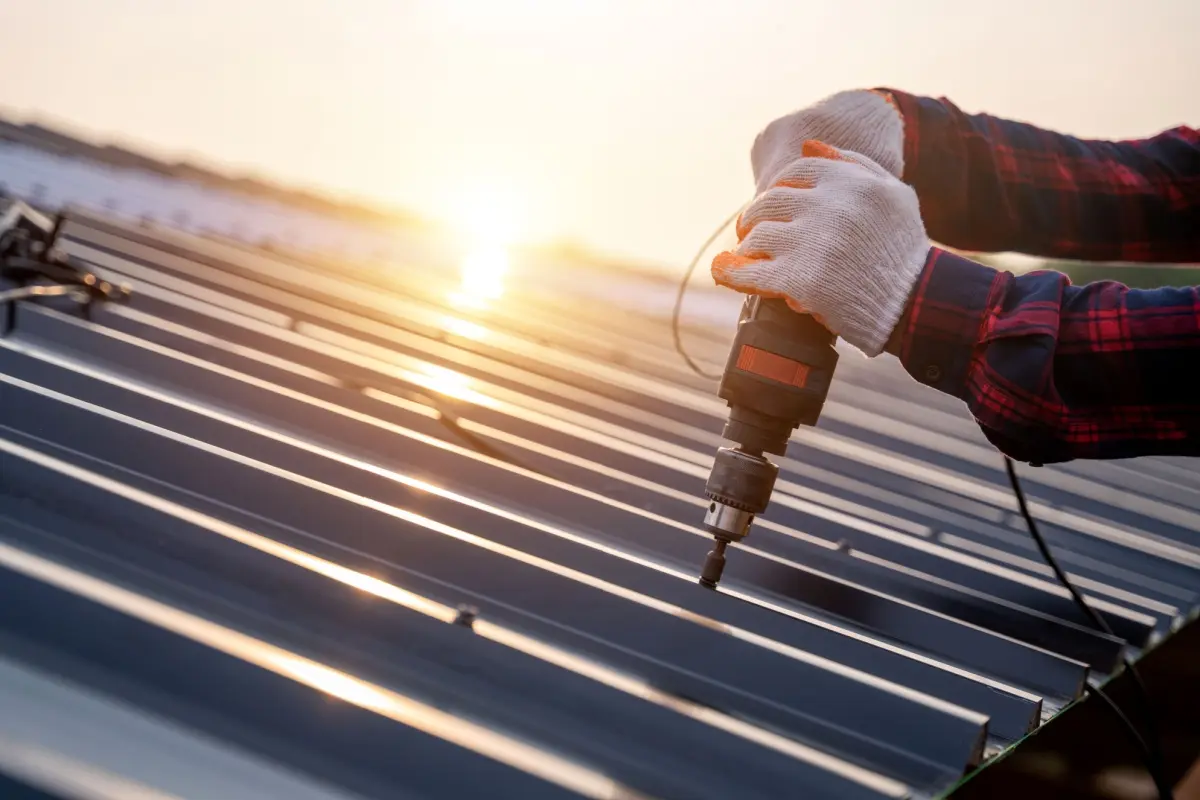
While the sticker price might look high at first glance, breaking down the total metal roof cost reveals just how much value you get over time.
Your final metal roofing cost depends on the materials you choose and the unique layout of your home.
| Metal roof type | Installed price (per square foot) | Materials price (per square foot) | Notes |
| Corrugated (exposed fasteners) | $4–$15 | $2–$5.50 | Lower-cost option. More basic look. Fasteners are visible and may need upkeep over time. |
| Metal shingles | $8–$21 | $3–$8.50 | Looks closer to standard shingles. Durable, but usually takes more labor to install. |
| Standing seam | $8–$30 | $4.50–$15 | Sleek, modern look with hidden fasteners. Often lasts longer when installed well. |
Roof square footage is often higher than a single-floor home’s floor-plan square footage because the roof is sloped, so there’s more surface area to cover.
| Roof size | Total (Materials and Installation) | Materials |
| Small: 1,000 square feet | $9,500–$18,500 | $3,800–$7,800 |
| Medium: 2,000 square feet | $18,500–$36,000 | $7,500–$15,500 |
| Large: 3,000 square feet | $24,000–$54,000 | $9,500–$19,500 |
Note: These are mid-range estimates; premium metals and complex roofs can be higher.
If your roof has lots of valleys, dormers, skylights, chimneys, or vents, there’s more cutting and repair work. That usually means more labor time and more material waste than a simple gable roof.
This usually covers removal and disposal. If there are multiple layers of old shingles, that number tends to climb.
Decking is the wood surface under the roofing. If sections are soft or rotted, they have to be replaced so the new roof has a solid base to attach to.
Steel makes up the majority of the residential metal roofing market. It is the most popular choice because it offers the best balance of price, durability, and style for the average homeowner.
Here’s how the main metals compare:
Strong, widely available, and typically the best value. Look for quality coatings/finishes to help resist corrosion.
Lighter and naturally corrosion-resistant, which is why it’s often chosen near salt air. Typically priced higher than steel in many quotes.
Copper can last for decades and slowly turns into that classic greenish patina over time. It looks great, but it’s usually the most expensive option, so it can raise your metal roofing cost per square foot.
Zinc lasts a long time and has a unique look, but it’s pricey, and you’ll want a contractor who knows the unique challenges of installing this metal type.
Used in more than 80% of U.S. residential homes, asphalt shingles still dominate roofing and re-roofing projects. Take a look at how they compare to metal roofing costs and other materials:
| Material | Cost Per Square Foot | Typical lifespan | Maintenance notes |
| Asphalt shingles | $4–$11 | 20–30 years | Generally easiest and cheapest to repair and replace. |
| Metal roofing | $5–$29 | 40 or more years | Because it can last so long, a metal roof may mean fewer replacements over time. Small details like flashing, fasteners, and underlayment make a big difference in how well it holds up. |
| Clay or concrete tile | $11–$24 | 50 or more years | It’s heavy, so your home may need to be checked to make sure it can support the weight, and repairs usually require a more specialized contractor. |
| Wood shakes and shingles | $6–$14 | 20–40 years | Wood shakes and shingles usually need more upkeep, and they may not be allowed or recommended in some areas because of fire risk. |
Tile and wood are less common roofing materials. Tile is usually picked for a specific look and long lifespan, but it’s heavier and often requires a home to support the extra weight.
Wood shingles are mostly a style choice too, but they typically need more upkeep and may be restricted or discouraged in fire-prone areas.
Budget estimate for common roof repairs and new installations
Metal roofs aren’t a perfect fit for every home or budget. But if you know what you’re getting in return for the higher upfront price, it’s much easier to decide.
When comparing metal roofs versus shingles, the former often outlasts the latter, so you may replace your roof fewer times over the life of the home.
When installed correctly, metal roofs perform well in high winds.
Metal is non-combustible, which can be a plus in areas prone to wildfires.
Compared with materials that crack, curl, or lose granules, metal typically needs less ongoing roof repair.
This is the biggest drawback for most homeowners.
Rain and hail can sound louder, though the right underlayment and attic insulation can reduce the issue almost completely.
Some thinner metals can dent from hail or falling debris, depending on the panel and gauge.
Details like flashing and fastener placement are everything. A great install performs for decades, while a sloppy one can lead to leaks and expensive fixes.
If you plan to be there for 20 or more years, metal’s longer lifespan can make the higher upfront cost easier to live with. For style, standing seam is clean and modern, metal shingles look more like a traditional roof, and corrugated panels are usually the lowest-cost option with a simpler look.
Climate matters too. Coastal areas often lean toward aluminum for corrosion resistance, while snowy regions may benefit from standing seam and, in some cases, snow guards.
You don’t want to cheap out on the parts that prevent leaks, but you can make smart choices:
The metal roof cost is usually worth it if you plan to stay in your home long-term and want fewer replacements. It may not make sense if you’re on a tight budget, expect to move soon, or have a very complex roof that drives up labor costs.
Nationally, many homeowners pay around $11,700, with a common range of about $5,700 to $17,700. On a per-square-foot basis, metal roofing is often priced around $5 to $29 installed, depending on the roof style and metal type.
It often is if you plan to stay in your home long-term and want fewer roof replacements over time. If you may move soon, it depends on how much buyers in your area value metal roofs and how much of the cost you can recoup.
Shingles are usually cheaper upfront. Metal tends to cost more at installation, but it can offer better value long term and less re-roofing.
Sometimes. If your service is already weak, a metal roof can block the signal even more. You may need to rely on Wi-Fi calling to stay connected inside your house.