Most homeowners do not think about their gutters until water is pooling against the foundation or the fascia is starting to rot. By that point, the gutters have usually been failing quietly for a while.
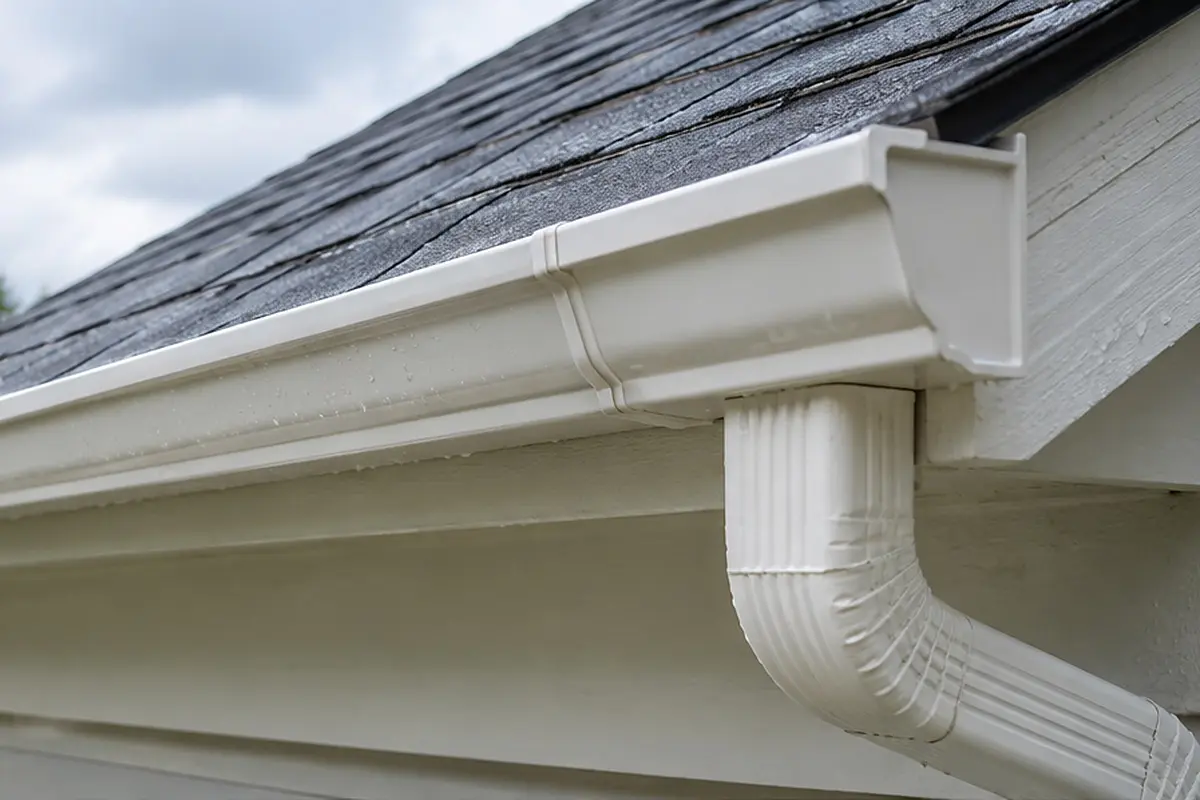
For a typical home, a full professional gutter replacement costs $2,000 to $6,000. However, the final amount depends heavily on the roofline length, material, and the condition of everything once the old gutters are removed.
For initial budgeting, allow about $10 to $20 per linear foot for professional gutter replacement, including materials and labor. Costs can be as low as $3 per foot for basic vinyl and as high as $40 or more for copper.
Add-ons like gutter guards or fascia repairs are usually priced separately, so it is worth confirming what each quote actually includes before comparing numbers.
Installed pricing generally includes the new gutter material, basic hardware, and labor. Confirm whether new downspouts and removal and disposal of the existing system are included. Fascia repairs, gutter guards, and drainage work may be quoted separately; compare the scope of each estimate rather than the total alone.
Material choice drives more of the final quote than any other single factor. Vinyl costs the least upfront but tends to become brittle in colder climates.
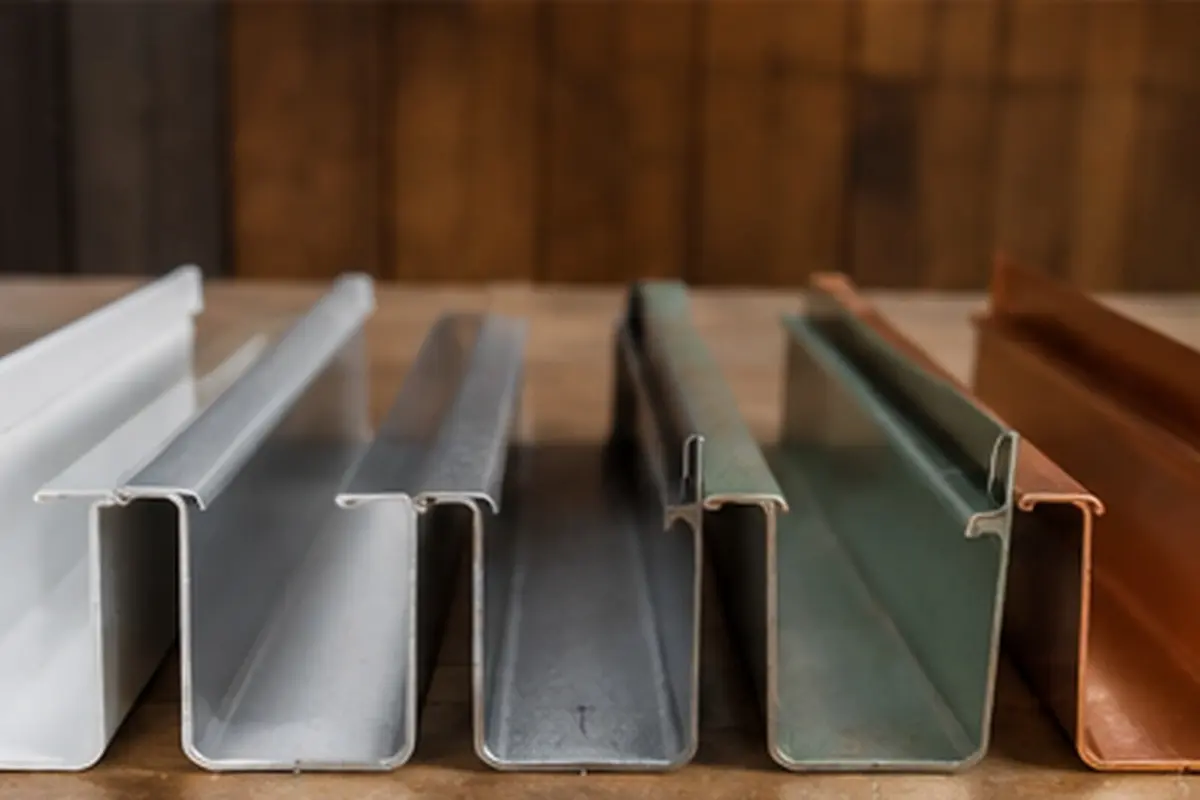
Aluminum has become the default for most homes because it holds up well and requires little upkeep. Steel is the stronger choice in areas with heavy snow, though it can rust if the surface gets scratched. Copper and zinc sit at the premium end, with lifespans that far outlast the alternatives (50 to 100 years), but the price reflects that.
| Material | Cost per Linear Foot (Installed) |
| Vinyl | $3–$10 |
| Aluminum | $5–$16 |
| Galvanized Steel | $8–$20 |
| Zinc | $10–$32 |
| Copper | $18–$45 |
Gutter pricing is based on roofline length, not square footage, which means a smaller home with multiple gables or dormers may require more material than a larger home with a straightforward roofline.
These budgeting examples use the $10 to $20 installed rate we mentioned earlier. Multiply the actual length of gutters needed by the rate for your chosen material. Add downspouts, removal and disposal, repairs, or other work only if they are excluded from the quoted rate.
| Gutter Length | Example Installed Cost at $10–$20 per Linear Foot |
|---|---|
| 125 linear feet | $1,250–$2,500 |
| 150 linear feet | $1,500–$3,000 |
| 200 linear feet | $2,000–$4,000 |
| 250 linear feet | $2,500–$5,000 |
| 300 linear feet | $3,000–$6,000 |
Figuring out what you’ll pay for new gutters is trickier than many people think. Here are some of the factors that make it so complicated.
These two factors set the baseline. More footage means more material and more labor hours. Material choice alone can move the per-foot rate tenfold between the cheapest and most expensive options.
Sectional gutters come in pre-cut pieces and are less expensive upfront, but the seams are where leaks tend to develop over time. Seamless gutters are fabricated on-site to fit the exact roofline, reducing the risk of leaks. They cost more upfront but may need fewer repairs for leaking seams. Regular cleaning and inspection are still necessary.
Multi-story homes usually cost more because installers need additional time, equipment, and safety precautions. Different roof types, multiple corners, steep pitches, or dormers can also increase installation time and material waste.
K-style gutters are the standard for most homes and the most affordable. Half-round gutters are common on older or historic homes and are more expensive. Custom fascia gutters sit at the high end, sometimes exceeding $40 per linear foot.
Labor accounts for 40-60% of the cost in most gutter projects.
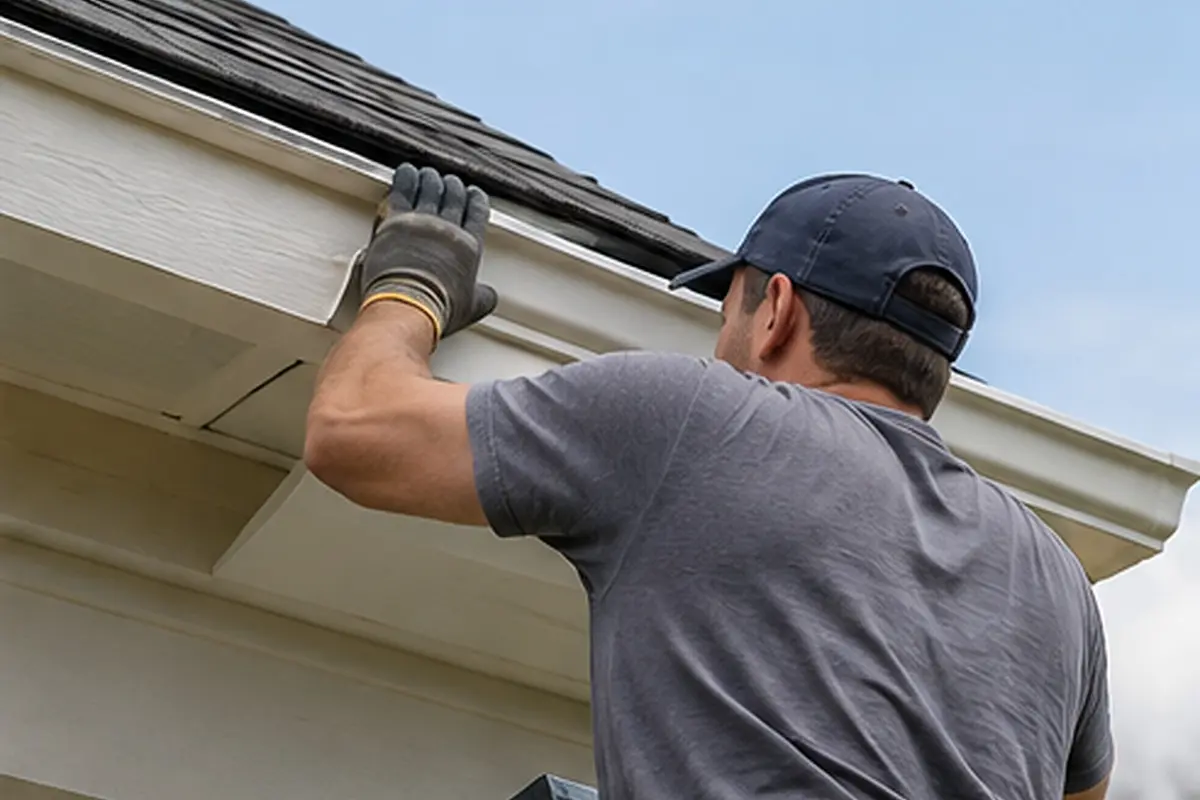
Labor rates vary significantly by region, and difficult site access, whether tight spaces or overgrown landscaping, adds time on top of whatever the local rate already is.
The number and length of downspouts can affect material and labor costs. Removing old gutters, repairing damaged fascia or soffits, and adding gutter guards or drainage extensions can also increase the total project price.
The following costs may be included in the quote or charged separately. Add them to your budget only if they are excluded from the base price.
| Item | Estimated Additional Cost |
| Old gutter removal and disposal | Varies by gutter length and access; confirm whether included |
| Fascia repair | $6 – $20 per linear foot |
| Gutter guards | $7 – $45 per linear foot |
| Downspout extensions | $10 – $40 each |
| Underground drainage | $150 – $350 per downspout |
Repair makes sense when the damage is isolated, and the rest of the system is in good shape. A leaking seam, a loose hanger, or a small hole in a single section can all be fixed without replacing the whole run. If the gutters are under 15 years old and the issue is limited to one area, repair is usually the more practical call.
Replacement makes more sense when the problems are widespread, such as extensive corrosion, holes, or damaged sections that cannot be repaired economically. Sagging gutters or rotted fascia need inspection first; the cause may be repairable without replacing the whole system.
If several sections need repair or repair costs are approaching the cost of replacing the gutter system, it may make sense to get quotes for both options and compare their long-term value.
You do not always need to replace gutters when replacing a roof. However, if you’re already budgeting for a roof replacement, it can make sense to have the gutters and fascia evaluated at the same time. If the gutters are nearing the end of their useful life or already need substantial repairs, replacing them during the roof project may reduce duplicate labor.
If the gutters are in good condition, a contractor can detach and reset them during the roof replacement. When both systems are being replaced, the roofing and gutter contractors should coordinate the installation sequence so the roof edge, fascia, flashing, and drainage system work together properly.
The overall budget will also depend on the roofing system. Homeowners comparing metal roof costs with shingle roof costs, for example, may want to price out gutter work at the same time. It can also help to ask how long it takes to replace a roof so gutter removal or installation can be coordinated with the roofing schedule.
Lifespan varies by material. The figures below assume regular cleaning and maintenance. Without it, even well-made gutters can fail in half the expected time.
| Material | Expected Lifespan |
| Vinyl | 10 – 20 years |
| Aluminum | 20 – 30 years |
| Galvanized Steel | 15 – 25 years |
| Seamless Aluminum | 25 – 35 years |
| Copper | 50 – 100+ years |
For homes with heavy tree coverage, gutter guards are worth considering. For homes with minimal tree coverage and easy ladder access, they are probably unnecessary.
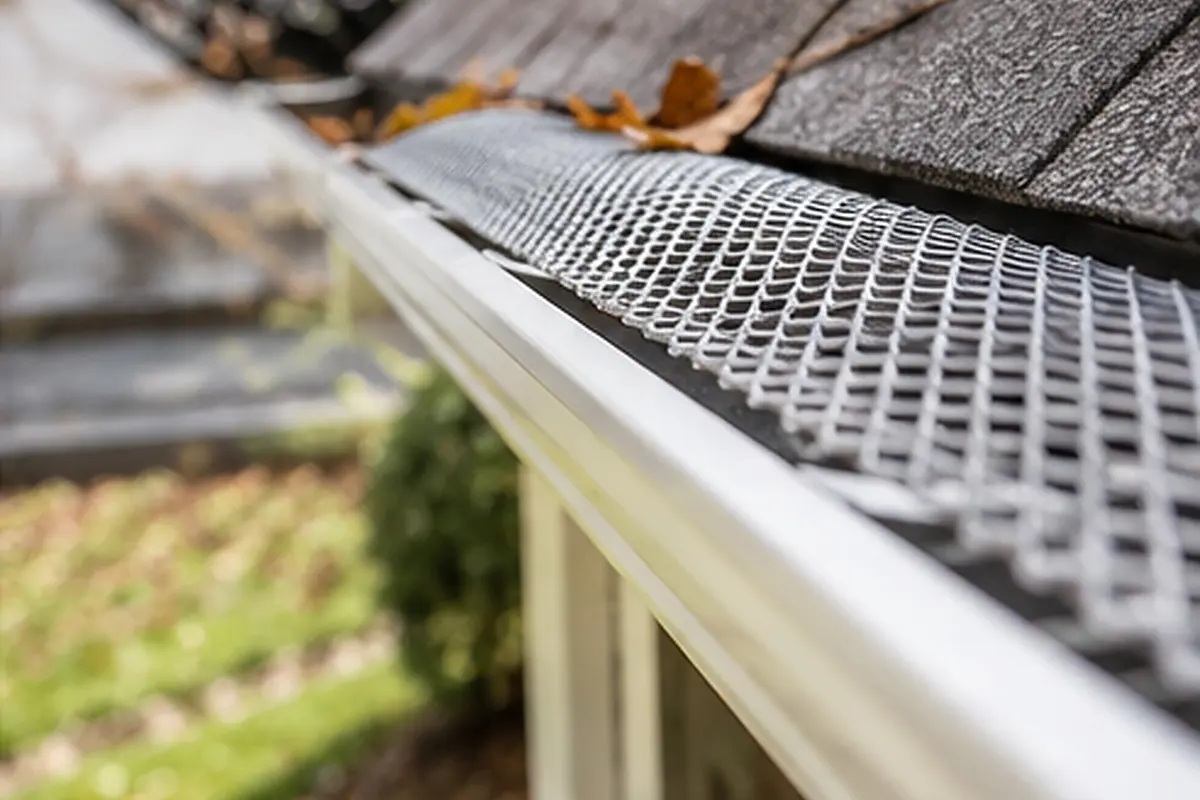
Quality guards can significantly reduce the frequency of cleaning and prevent overflow that damages fascia and foundations. Installation during a replacement is the most practical time to add them.
Improperly installed guards can contribute to ice buildup in cold climates. Before choosing a guard that fits beneath the shingles, confirm with the roof manufacturer and installer that the attachment method meets their installation and warranty requirements.
Look for contractors who specialize in exterior work and can provide references for gutter projects specifically. Ask whether they carry liability insurance, whether their quote includes removal and disposal, and what warranty they offer on workmanship.
Renovate can help you start a gutter replacement request and may connect you with a contractor in your area.
It can be. Replacement requires removing and disposing of the existing gutters, while a first-time installation does not. Ask whether that work is included in the quote. The difference also depends on site access and whether the fascia or other parts of the roof edge need repair.
Vinyl is the least expensive material, running $3 to $10 per linear foot installed. It works well in moderate climates but can become brittle in cold weather and typically needs replacing sooner than aluminum. For most homeowners, aluminum offers better long-term value for a modest price difference.
Not dramatically on their own, but failing gutters can hurt a sale. Buyers notice overflowing or damaged gutters, and that’s a red flag during inspections. New gutters remove that concern and signal that the home has been maintained.
Twice a year as a baseline, in spring and fall. Homes with heavy tree coverage nearby may need more frequent cleaning. Gutter guards can reduce cleaning frequency, but the gutters, downspouts, and guards still need regular inspection and cleaning as needed.
Yes. Gutters direct water away from the foundation, siding, and fascia. Without them, or with failing ones, water damage can affect the structure of the home in ways that cost significantly more to fix than a gutter replacement would have.
Yes, if the rest of the system is in good condition. Sectional replacement makes sense for isolated damage. The challenge with older systems is that matching the material and color of existing gutters can be difficult, and if the rest of the system is aging, replacing may only delay a larger project.
For most homeowners, yes. Seamless gutters are fabricated on site to fit the roofline and have fewer joints along each run, which means fewer potential points where leaks can develop. They generally cost more upfront than sectional gutters but may require fewer repairs related to leaking seams.