It’s not a question of whether you will need to replace your roof. It’s a matter of when. According to the National Roofing Contractors Association, most residential roofs need replacing every 20 to 30 years.
Unfortunately, these repairs aren’t cheap. In fact, roofing is one of the most expensive home improvement projects that most homeowners face. The cost depends on the size of the roof, the materials used, and your location.
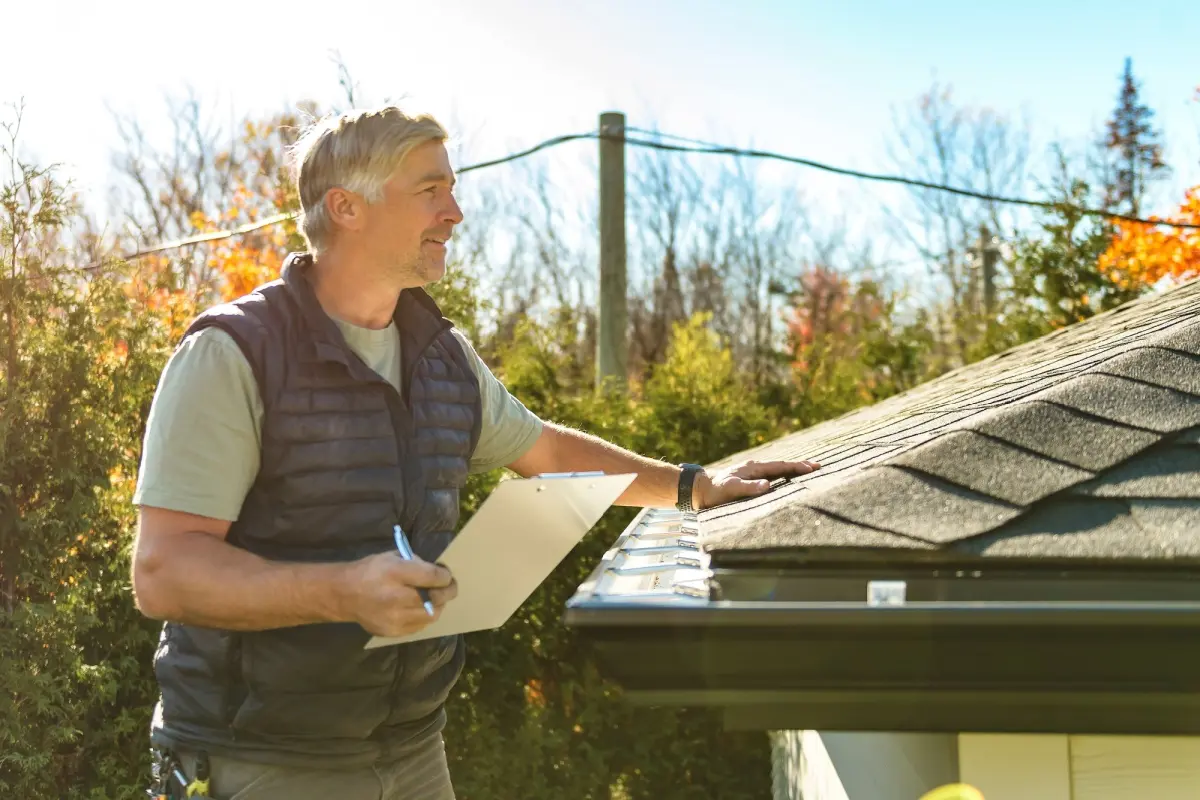
If you’re not paying out of pocket, understanding your home improvement financing options ahead of time can make the process far less stressful.
This guide breaks down what drives roof replacement costs, the financing paths available to you, and how to take a first step toward connecting with a local contractor.
In 2026, homeowners typically spend about $9,500 to $10,000 on a roof replacement nationwide, but totals can range from roughly $5,800 to $46,000 depending on roof size, material, pitch, and location.
Roofers price by roof area, not living area. Your roof is usually larger than your home’s floor plan because the measurement includes slopes, overhangs, garages, and other covered sections. The table below uses a consistent national planning range of $4 to $11 per square foot, so every row is scaled from the same baseline.
| Roof Area (Sq. Ft.) | Squares | Estimated Installed Cost |
| 1,000 | 10 | $4,000 – $11,000 |
| 1,500 | 15 | $6,000 – $16,000 |
| 2,000 | 20 | $8,000 – $22,000 |
| 2,500 | 25 | $10,000 – $27,000 |
| 3,000 | 30 | $12,000 – $33,000 |
These figures are meant for informational purposes and represent a typical full replacement. However, premium materials, unusual roof shapes, steep pitches, permits, and deck repairs can push a quote outside this range.
The roof material type you pick is the biggest part of your final price, but the actual service life depends on the shingle type, climate, ventilation, and installation quality.
Asphalt is the go-to for most American homes. The cost of a shingle roof is lower than that of other materials because it’s widely available and quick to install.
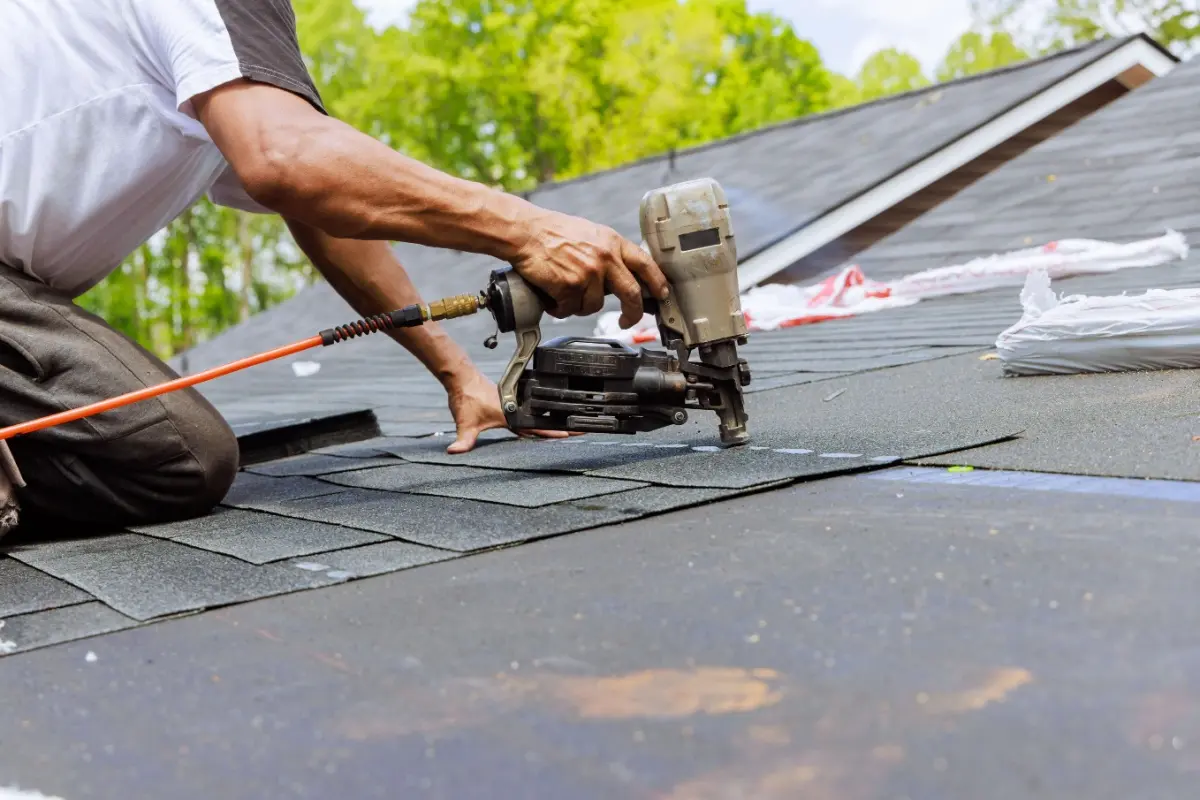
Basic 3-tab shingles are the cheapest, but they only last 15 to 20 years. Architectural shingles cost a bit more, look better, and typically hold up longer.
Metal roofing costs more upfront, but many homeowners find it worth it. Standing seam metal roofs may last 50 or more years, resist fire and heavy winds, and reflect heat. So your cooling bills may drop in the summer.
Slate and tile are the most expensive options, and for good reason. Slate roof cost is high because the material is heavy and installation requires real expertise. But these roofs can last over a century.
Clay and concrete tiles work well in hot, dry climates. They’re fire-resistant and built to last, though their weight can sometimes require extra support in the home’s structure.
Flat roofs work differently from sloped ones. Rain and debris don’t run off the same way, so the roofing system has to work harder to keep water out.
Your flat roof replacement cost will cover materials like EPDM rubber or PVC. These systems need tight, careful sealing; otherwise, standing water finds a way in.
Here is how residential roofing materials compare, including common, niche, and premium options.
| Material | Cost per Square Foot (Installed) | Lifespan (Years) | Key Features | How Common? |
| Asphalt Shingles | $3.50 – $8.50 | 15 – 30 | Affordable, easy to install | Most common by far |
| Metal Roofing | $6.00 – $24.50 | 40 – 70 | Durable | Common and growing |
| Wood Shingles/Shakes | $6.00 – $15.00 | 25 – 40 | Natural look, high maintenance | Less common |
| Concrete Tiles | $10.00 – $18.00 | Up to 50 | Heavy, durable, fire-resistant | Less common |
| Clay Tiles | $10.00 – $25.00 | Up to 100 | Heavy, durable, fire-resistant | Less common |
| Slate | $15.00 – $32.00 | 75 – 150+ | Luxury look, extremely durable | Premium |
| Synthetic/Composite | $4.50 – $15.00 | 30 – 50 | Made to mimic slate or wood | Small but growing niche |
Where you live may significantly affect the price. For example, labor rates, permit fees, disposal costs, and weather requirements can swing the price from one location to another.
Beyond the basic size and material, several logistical factors can drive up your estimate. These are often related to the difficulty of the work and the time required to complete it safely.
The pitch refers to the steepness of your roof. A flat or low-slope roof can be easier for a crew to access. A steep roof may require safety harnesses, scaffolding, and specialized equipment. This slows down the job and increases labor costs.
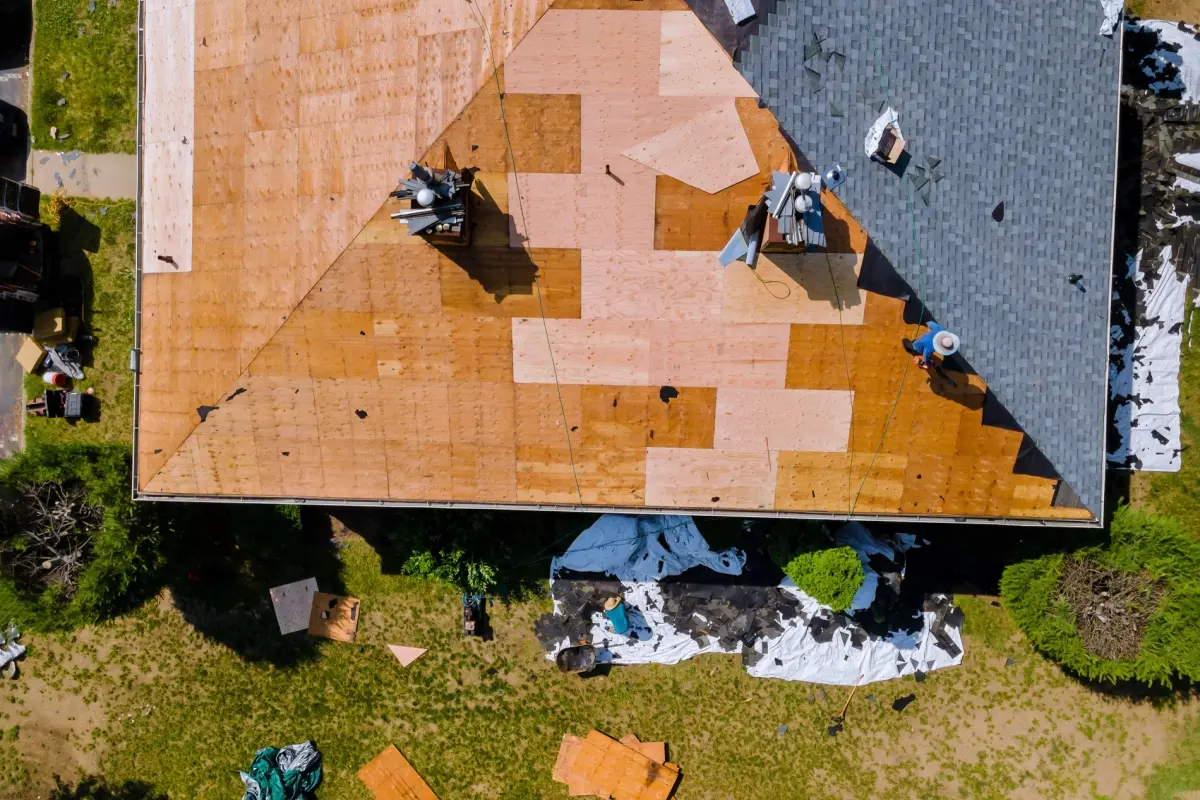
Complexity also matters. If your roof has multiple chimneys, dormers, skylights, or valleys where two roof sections meet, the pricing can increase.
Valleys require extra flashing and careful cutting, which can add 10% to 30% to your final labor bill. A simple gable roof is often cheaper to replace.
Labor generally accounts for 40% to 60% of your total project cost. It covers workers’ compensation insurance, general liability insurance, and the overhead of running a professional company.
When you see a lowball quote, it can be a red flag that the contractor is cutting corners on insurance or safety equipment, putting you at financial risk in the event of an accident on your property.
Replacing a roof on a two or three-story home could cost 15% to 25% more than a single-story house. The reason is simple — getting materials up and old roofing back down takes a lot more time at greater heights.
Access matters too. If a truck can’t pull up close to your home because of trees, a tight alley, or landscaping in the way, workers have to carry everything by hand. That extra effort adds hours to the job, and you’ll see it in the final price.
Is there a cheaper time of year to get a roof replacement? Yes, but we’d stop short of claiming any universal truths for a time of the year that’s cheapest for roofing. Contractor demand and weather conditions can affect pricing, and those factors can vary by time of year, but your local conditions matter most.
The base price on your estimate might not be the final number. Several costs only come up once the work has started.
Most quotes cover removing one layer of shingles. If your home has two or three layers from past work, expect to pay $1 to $3 extra per square foot. Those extra layers mean more labor, more debris, and heavier dumpster loads, all of which add up quickly on a larger roof.
The wood decking underneath can’t be inspected until the old shingles are off. If there’s rot or water damage, replacing the plywood runs $2 to $5 per square foot. This is one of the most common surprise costs homeowners run into, especially on older homes or in areas with heavy rainfall.
Flashing is the metal around chimneys and vents. Replacing it costs anywhere from $300 to $1,500 and is necessary to prevent leaks. Old or rusted flashing is one of the leading causes of water damage.
Basic felt paper is standard, but synthetic underlayment offers better moisture protection. The upgrade adds a few hundred dollars. It’s a relatively small cost compared to the overall project, and it adds a meaningful layer of protection if shingles are ever damaged in a storm.
As permit requirements and costs can vary by municipality, it’s best to ask your contractor whether a permit is needed and if the fee is included in your quote.
An independent inspector can verify that the work was done to code for around $250 to $400. It’s optional, but worth considering on larger or more complex jobs where there’s more room for installation errors to go unnoticed.
Warranties covering both materials and labor for 20 years cost $500 to $2,000. If you’re planning to stay in the home long-term, the peace of mind is usually worth it, especially since labor costs are often excluded from standard manufacturer warranties.
You do not always need a full replacement. If your roof is less than 15 years old and the damage is localized, a roof repair is usually the better financial move. Repairs typically cost between $500 and $2,000.
Choose Repair If:
Choose Replacement If:
A new roof can improve resale appeal, but payback varies by material and market. JLC’s 2025 national report shows asphalt roofing replacement recoups about 68% of costs, while metal recoups less nationally.
But the real value goes beyond resale percentages. An old or damaged roof is a deal-breaker — buyers either walk away or use it to negotiate the price down at inspection. A new roof with a transferable warranty gives them one less thing to worry about, which makes your home a much easier sell.
Replacing a roof is expensive, but there are a few easy ways to keep the cost down without cutting corners.
Roofing prices vary based on how busy a contractor is. A company with a full schedule will quote higher than an independent contractor actively looking for work. Three quotes give you a real picture of what’s fair in your area.
Less demand usually means better pricing. However, demand varies by location. Generally, late winter and early spring are the slowest months for roofers.
Clear your driveway, move your cars, and get patio furniture out of the way before the crew shows up. It’s a small thing, but it lets them start immediately instead of working around obstacles.
If your roof was damaged by hail, wind, or a fallen tree, your insurance policy may cover most of the replacement cost. It’s worth a call to your provider before you pay anything out of pocket.
The cheapest bid isn’t always the best one. A vague quote that leaves out tear-off, flashing, or cleanup may cost you more once the job starts.
Before you hire a roofing contractor, confirm they’re licensed and insured (including workers’ comp). If a worker gets hurt on your property without coverage, that becomes your problem. From there, get at least three written estimates and compare them line by line. A solid estimate names the materials, covers labor and disposal, and explains how unexpected costs will be handled.
Check recent local reviews and ask for references from the past year. You want to know how they handle the job once it starts — whether they show up on time, communicate, and come back if something goes wrong.
Be skeptical if they knock on your door after a storm. Contractors who show up unsolicited and push you to file an insurance claim on the spot are a bad sign. A legitimate roofer inspects first and explains what you actually need.
Also, it’s not normal for a roofer to ask for full payment upfront. A deposit is normal. Paying everything before the work is done is not, and in some states, it’s not even legal.
Most residential roof replacements take between one and three days. A simple asphalt shingle job on a standard-sized home can often be finished in a single day. Larger homes, complex roof designs, or projects involving heavy materials like tile or slate may take a week or longer to complete properly.
Insurance typically covers roof replacement only if the damage was caused by a sudden, accidental event like a hailstorm, fallen tree, or fire. Insurance does not cover roofs that have reached the end of their natural lifespan or those that have failed due to a lack of regular maintenance.
The lifespan depends on the material. Standard asphalt shingles last 15 to 25 years, while architectural shingles can last 30 years. Metal roofs typically last 40 to 70 years. Premium materials like clay tile or natural slate are the most durable, often lasting 75 to 100 years or more.
While “roof-overs” are legal in many areas, most professionals advise against them. Installing new shingles over old ones traps heat, which shortens the life of the new material. It also prevents the contractor from inspecting the decking for rot, and it adds significant weight to your home’s structure.
3-tab asphalt shingles are the most affordable roofing material available. They have the lowest upfront cost for both materials and labor. However, because they have a shorter lifespan and lower wind resistance than architectural shingles, they may cost more in the long run due to frequent repairs.
Yes, most municipalities require a building permit for a full roof replacement. This ensures the work meets local building codes and safety standards. A professional roofing contractor will typically handle the permit application process for you and include the fee in your final project estimate.
Yes — in most cases, there’s no reason to leave. The work happens outside, and the crew won’t need access to the interior of your home. It will be loud during working hours, so if you work from home or have young kids or pets, it’s worth planning around that.