For a small to midsize shed with about 150 square feet of roofing, replacing basic asphalt shingles in 2026 may cost somewhere between $550 and $1,050. What you pay depends on the roof itself, including its size, slope, material, and any damage found underneath.
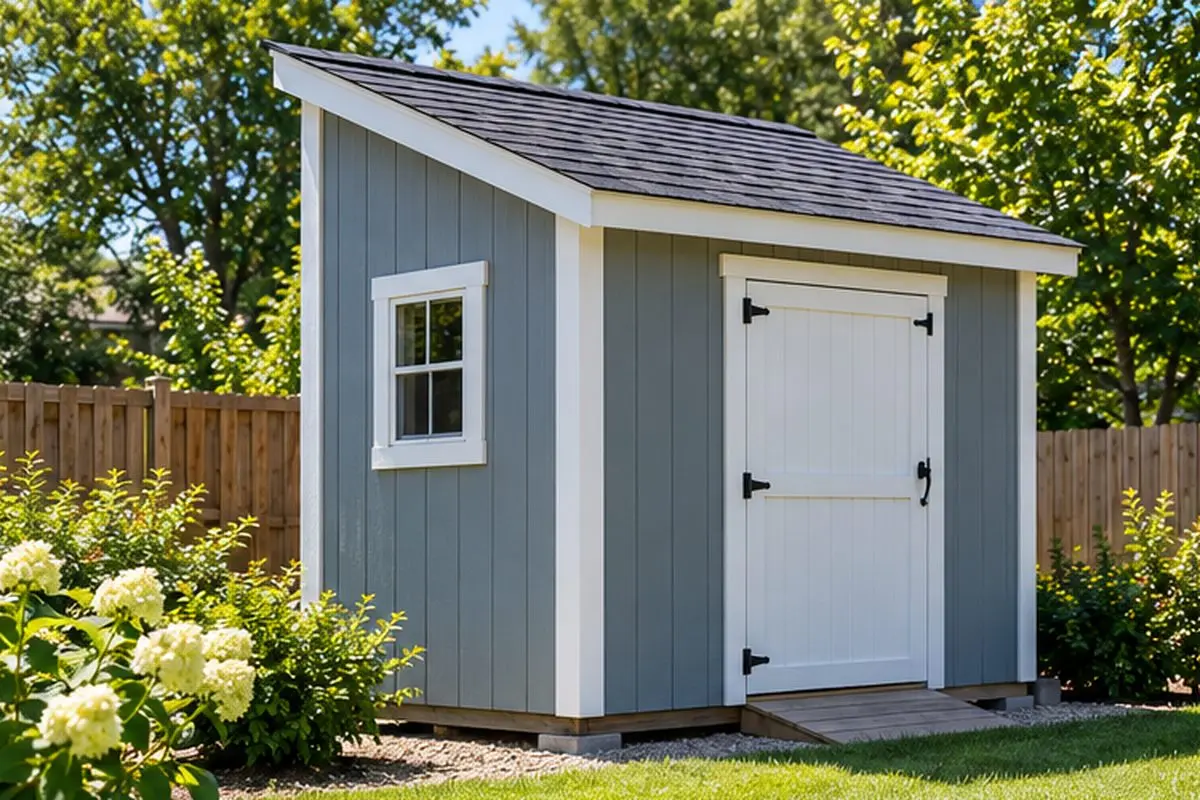
Around $800 is the midpoint of this planning range. These estimates apply to detached garden, storage, and workshop sheds, not shed-style roofs on homes. Your final quote can also change based on tear-off requirements, disposal, and any damaged decking or framing uncovered during the work.
Current national pricing places many standard replacements in the high hundreds, although simple rolled roofing can cost less and larger metal roofs can run into the thousands.
| Cost Item | 2026 Planning Range |
| Basic asphalt replacement, about 150 sq. ft. | $550–$1,050 |
| Renovate planning midpoint | About $800 |
| Basic asphalt shingles, replacement | $3.50–$7 per sq. ft. |
| Asphalt roll roofing, replacement | $2.50–$6 per sq. ft. |
| Minor, nonstructural shed roof repairs | About $150–$700 |
The replacement estimates allow for removing one roofing layer, normal disposal, standard underlayment and roof-edge details, and new roofing over sound decking. Extensive sheathing, framing, fascia, or structural repairs are extra.
The repair range covers isolated roofing or flashing damage, not sagging or structural repairs.
The broader roof replacement cost for a house is heavily tied to roof area. With sheds, contractor minimum charges can make a small roof relatively expensive per square foot.
A shed’s floor dimensions do not tell you the exact roof size. The slope and the sections that extend past the walls add extra square footage.
For the prices below, we assumed a simple gable roof with a 4:12 pitch, six-inch overhangs on all sides, and basic three-tab asphalt shingles.
| Shed Footprint | Approximate Roof Area | Estimated Replacement Cost |
| 6 x 8 ft. | 66 sq. ft. | $250–$450 |
| 8 x 10 ft. | 104 sq. ft. | $350–$750 |
| 10 x 12 ft. | 151 sq. ft. | $550–$1,050 |
| 12 x 16 ft. | 233 sq. ft. | $800–$1,650 |
These area-based estimates use $3.50 to $7 per square foot and are rounded to the nearest $50.
Use these figures as a starting point, not an exact quote. A shed roof cost calculator can give you a rough idea of roof area and material costs, but it may not capture the full price of a small project. Travel, setup, and minimum labor charges can push a small project above these estimates, even when removal and cleanup are included.
The cheapest material may not always be the most suitable roofing option. Pitch comes first because manufacturers set minimum slope and installation requirements.
| Roofing Material | Suitable Roof or Slope | Estimated Replacement Cost | Main Consideration |
| Basic asphalt shingles | 2:12 or steeper; extra underlayment requirements below 4:12 | $3.50–$7 per sq. ft. | Familiar look and moderate cost |
| Asphalt roll roofing | Product-specific minimum slope; some require 2:12 or steeper | $2.50–$6 per sq. ft. | Low upfront cost, shorter service life |
| Metal panels (steel) | Varies by panel system | $6.50–$17.50 per sq. ft. | Higher upfront cost, durable finish |
| EPDM membrane | Flat or low-slope roofs | $6–$14.50 per sq. ft. | Designed for low-slope applications |
These replacement estimates include materials and labor with an allowance for one-layer removal and disposal. Repairs, upgrades, permit fees, and contractor minimums can add to the price.
For nearly flat roofs, ask which low-slope roofing system is approved for the actual pitch. Basic asphalt roll roofing is not suitable for every low-slope roof.
The shed size doesn’t tell the full story. Roof shape, access, existing materials, and hidden damage can all push one quote higher than another, even when the sheds are about the same size.
A simple single-slope roof is usually easier to work on than a gambrel roof with multiple angle changes. Gable roofs also involve extra work around the ridge.
Steeper roofs can take more time and may need extra safety measures. Access matters too. Fences, trees, or nearby structures can make it harder to bring in materials and clear away debris.
Some quotes include removing and disposing of one old roofing layer. If there are several layers, or if damage appears underneath, the cost can go up.
Common examples include soft sheathing, rotted rafters, damaged fascia, and water damage. Since these problems are not always visible at first, ask how extra repairs will be priced before the work starts.
The outer roofing material is only part of the system. Underlayment, flashing, drip edges, and fasteners help keep water away from the roof deck.
Ventilation may also be needed in some cases, especially for insulated, heated sheds or workshops.
Your location can also affect the final price. Labor rates, disposal fees, contractor availability, and permit rules vary by area.
Some places exempt small sheds from certain permits, while others have rules for reroofing or structural repairs. Check with your local building department before you start work.
Look at the whole structure before spending money on the roof. Do not rely on age alone. Material, installation quality, maintenance, and visible condition all matter.
| Option | Usually Appropriate When | Important Cost Consideration |
| Repair | Damage is isolated, and the deck is sound | Compare the repair price with the roof’s remaining useful life. Repeated patches may cost more without resolving the underlying problem. |
| Replace roof | Wear is widespread, leaks return, or roofing has failed | Compare the full replacement quote with likely repair costs. Include any decking or framing work needed beneath the roofing. |
| Replace shed | Walls, floors, framing, or foundation are badly deteriorated | Compare roof and structural repairs with a comparable new shed, including removal of the old shed, delivery, assembly, and site work. |
If the shed is low, stable, and easy to reach, a homeowner with roofing experience may handle the work. You still need proper roofing tools and fall protection you know how to use. Even a low roof can cause serious or fatal injuries if you fall or weakened decking gives way. Have uncertain roof conditions assessed before anyone climbs onto it.
Do not treat a small shed like a low-risk project. Ladders, wet surfaces, loose materials, and power tools all create hazards. OSHA identifies falls as a leading cause of work-related deaths in residential construction. If the roof is steep, soft, sagging, badly rotted, near electrical lines, or awkward to access, bring in a professional.
Ask each contractor for a clear price breakdown. It should show costs for removing the old roof, disposal, underlayment, flashing, materials, and labor. Also ask how they charge if they uncover damaged sheathing or framing.
When comparing bids, do not focus only on the total. Check what is included and whether the recommended material works for your roof’s slope. If you are already having work done on your home’s roof, ask whether the shed can be handled at the same time.
For a larger roofing project, roof financing can help spread out payments. Just remember that interest and fees may increase the total amount you pay.
Before replacing the roof, make sure the shed underneath is worth keeping. Then compare quotes for the same roofing system and the same repair work.
Timing, permits, and the existing roofing can also affect your plans.
Look from the ground at the extent of the damage. One missing shingle or a small leak can often be repaired, but if leaks keep coming back or the roofing is widely worn, paying for a new roof may be a better long-term choice than repeated repairs. Have sagging assessed for structural damage. Do not climb onto the roof to test for soft spots.
The least expensive option depends on the roof itself. Asphalt roll roofing can work well on some low-slope sheds, while basic asphalt shingles may suit steeper roofs. Price should not be the only factor. The material still needs to match the roof pitch, deck condition, climate, and installation requirements.
A professional crew can often replace a small, straightforward shed roof in a day. Larger roofs, difficult access, or damaged decking and framing may take longer. Ask whether the quoted schedule includes removal and cleanup, and allow for weather delays. Contractor availability will also affect when work can begin.
It depends on where you live and how much work is involved. Some local authorities do not require permits for minor work on small sheds, while others may require one for reroofing or structural repairs. Check with your local building department before starting the project.
Sometimes, but only when the existing material is compatible, the deck is sound, and the number of layers complies with local rules and the manufacturer’s instructions. An overlay may reduce removal costs, but it is not a fix for rot, trapped moisture, or structural damage.