Fascia boards do not fail dramatically. They rot slowly, usually because a gutter has been leaking against them for months or years. By the time the damage is visible from the ground, the problem has often spread further than expected.
For planning purposes, fascia board replacement costs about $7 to $23 per linear foot for materials and installation. For 150 linear feet, that works out to $1,050 to $3,450, before any separately quoted removal, gutter work, finishing, or repairs.
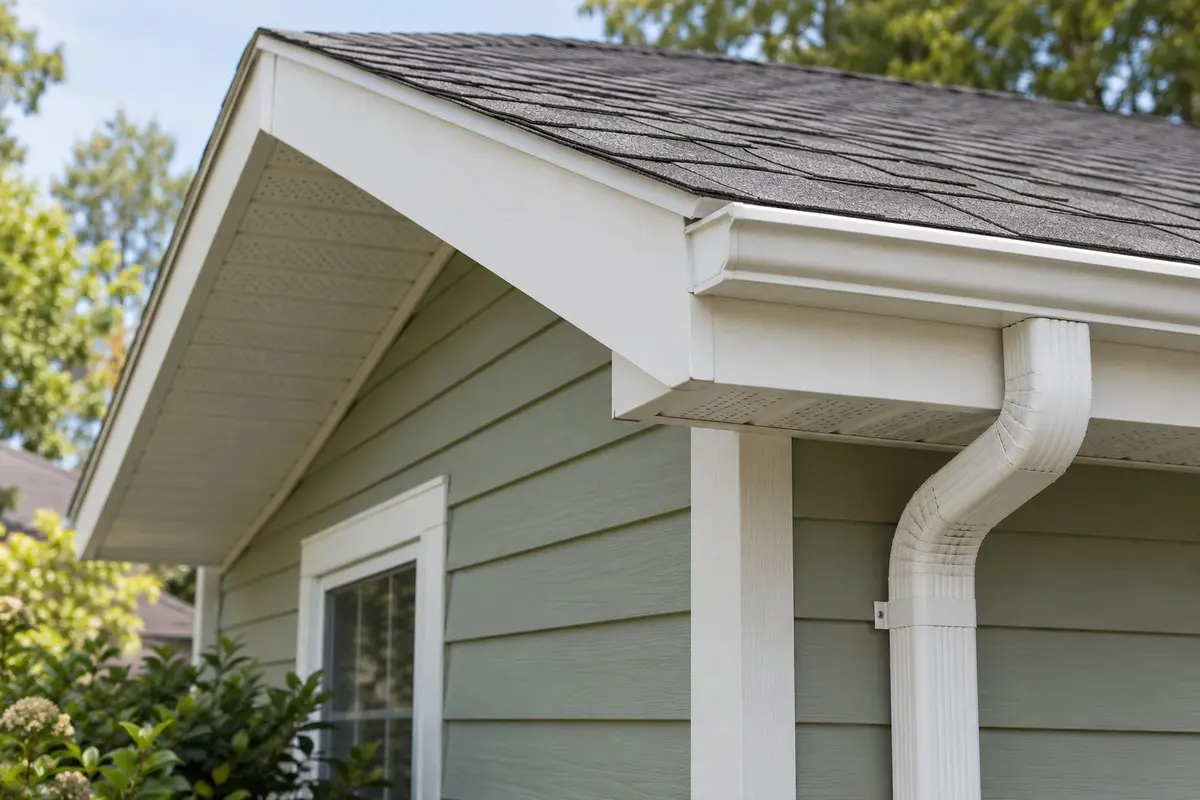
Fascia is the trim board along the roof edge that helps protect the ends of the roof framing and often provides the mounting surface for gutters. This guide covers estimated replacement costs, per-foot pricing, material options, fascia wrap versus board replacement, gutter-related costs, and how to choose the right professional.
While the boards themselves are the main focus, contractors often find related damage once the old wood is removed. Let’s break down the cost of fascia board replacement and related expenses:
| Factor | Cost Impact |
|---|---|
| Base materials and installation | $7–$23 per linear foot |
| Gutter removal and reinstallation | Varies by gutter length and access; confirm whether it is included in the fascia quote |
| Soffit replacement (combined) | Can push total over $6,000 |
| Drip edge replacement | Adds $1 – $2 per linear foot |
| Rotted decking or rafter tails | Priced per repair |
Fascia follows the roofline, so contractors estimate it in linear feet. The $7 to $23 planning range covers materials and installation across the board options below. However, that rate can change based on the architecture of your home:
When comparing quotes, make sure each contractor is pricing the same linear footage and including the same gutter handling, finishing, disposal, and repair work.
These are two different scopes of work and are often confused when comparing quotes. Fascia board replacement means removing the old boards and installing new ones. This is the right approach when the existing fascia is rotten, soft, pest-damaged, or structurally compromised.
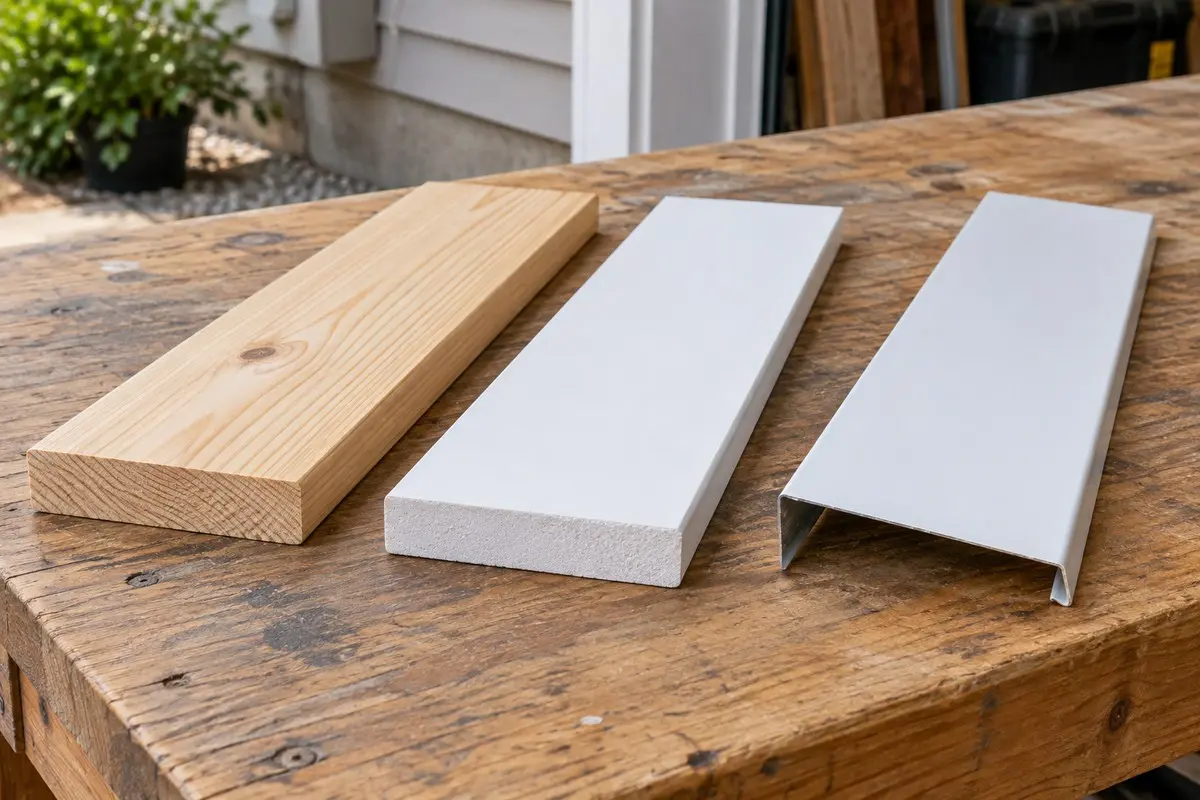
Fascia wrap, also called capping, is the process of covering existing boards with aluminum, vinyl, or another protective material. It works well on sound wood. Capping protects against moisture and requires less maintenance, but it is not a repair for a rotting fascia.
Note: Before approving fascia capping, confirm that the contractor has inspected the underlying board and confirmed it is sound. A quote for wrapping is not interchangeable with a quote for replacement.
| Material | Installed Cost per Linear Foot | Board, Trim, or Wrap | Commonality | Maintenance | Best For |
|---|---|---|---|---|---|
| Wood | $7–$17 | Board | High | High | Traditional homes |
| Cellular PVC | $11–$23 | Board | Medium | Low | Moisture-prone areas |
| Composite | $7–$21 | Board | Medium | Varies by product | Woodlike trim |
| Fiber Cement | $9–$18 | Board/Trim | Medium | Moderate | Fiber cement siding homes |
| Aluminum Wrap | $8–$13 | Wrap/Cap | High | Very Low | Covering sound wood |
These rounded planning estimates cover materials and installation. For each material, we averaged the low and high ends of published estimates, adding each source’s own fascia labor rate when listed separately. The figures draw on HomeAdvisor, HomeGuide, R&E Roofing, Soffit Fascia Repair, and All Phase Construction; aluminum wrapping estimates also draw on Homewyse and EAVEX. These sources include national guides and regional estimates, so local quotes may fall outside the ranges. Prices were checked in September 2026.
Removal, gutter handling, and painting may be included or charged separately. Soffit replacement and underlying repairs can increase the total. Aluminum wrapping assumes the existing board is sound; replacing damaged boards costs extra.
This is the most common fascia material. It’s the most affordable and takes paint well. The tradeoff is frequent maintenance: wood needs re-painting or sealing every three to five years.
PVC and composite boards may cost more upfront than basic wood but can reduce ongoing maintenance. PVC resists moisture and rot, while composite durability and painting requirements vary by product. Proper fastening and allowance for expansion and contraction also matter.
Fiber cement looks like wood but holds up longer and resists fire. It requires careful handling due to its weight, which can increase labor costs.
Aluminum and vinyl are used primarily as capping over existing wood, not as structural board replacements. Both protect sound wood from weather and reduce the need for repainting. Neither is a substitute for replacing rotten boards.
Fascia and gutters are attached. The fascia supports the weight of the gutters, and when gutters leak or overflow, they rot the fascia.
Gutters attached to the fascia being replaced usually need to be removed first. You can either have your existing gutters put back up or install new ones. Ask the contractor to separate the cost of removing and reinstalling your existing gutters from the cost of supplying and installing new ones.
More footage means more material and labor hours. Board dimensions add another layer. Wider boards, such as 2×8 or 2×10, cost more per foot than standard 1×6 trim, and heavier boards sometimes require a two-person crew.
Two-story homes require more equipment and greater safety precautions. Steep pitches, tight side yards, large decks, or overgrown landscaping that limits ladder placement all push costs higher too.
This is one of the most common reasons fascia quotes vary. A quote that includes gutter removal and reinstallation costs more than one that assumes gutters will stay in place. If gutters are being fully replaced, the cost is different again. The quote should state clearly which scenario applies.
Visible rot rarely stays where it started. Once old boards come off, contractors may find damaged soffits, rotted rafter tails, or compromised decking that needs to be addressed.
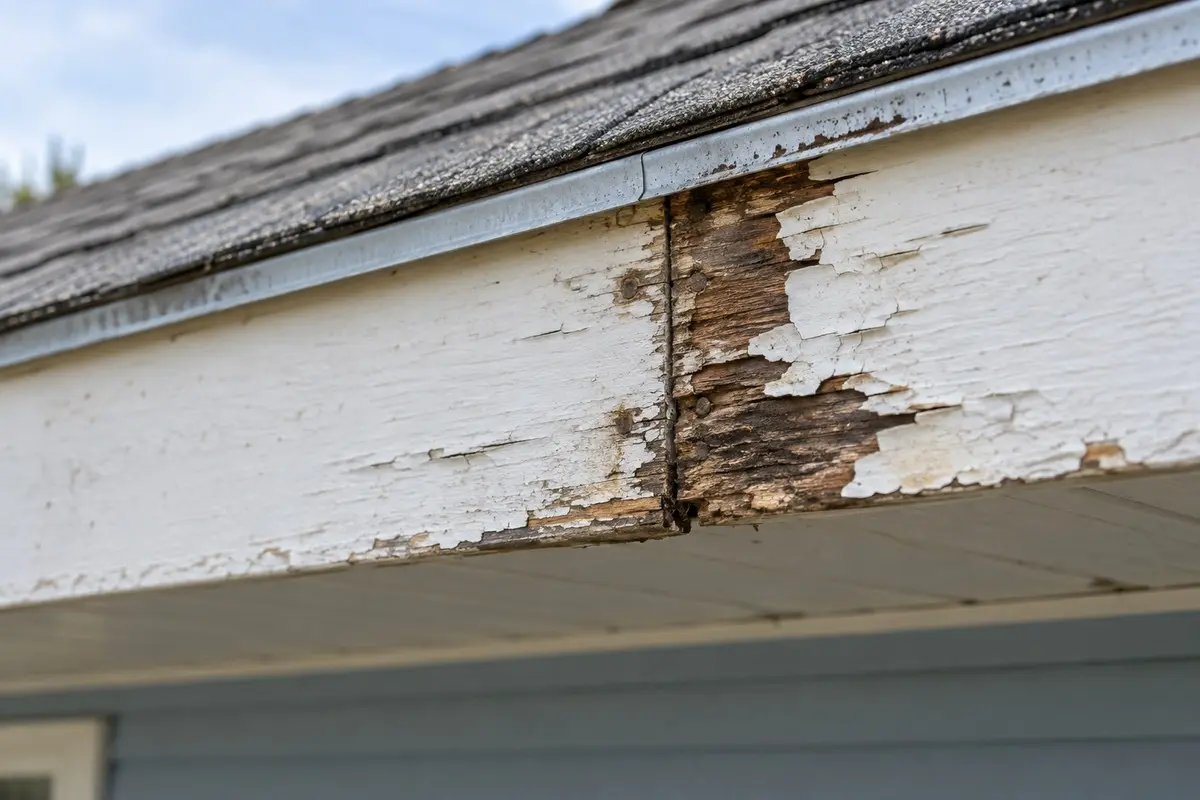
Budget a 15-20% contingency when there are visible signs of damage.
Labor rates vary by region. High-cost-of-living markets and coastal areas typically run above the national average, and climate can affect material requirements in ways that increase the total.
Simple fascia replacement often does not require a permit, but local rules vary, and some municipalities treat exterior trim work differently. Projects that involve structural repairs or significant exterior changes are more likely to require permits. HOA approvals may apply to material choice or color.
Tear-off, cleanup, and disposal carry real cost and are easy to overlook in a quote. Ask whether they are included before signing anything.
Repair makes sense when the damage is isolated and caught early. A small section of rot near a downspout or surface-level wear on otherwise sound boards does not warrant pulling everything down.
Full replacement may make sense when damage is widespread or boards are failing in multiple areas. If roof, gutter, or soffit work is already planned, ask whether combining necessary fascia work would reduce duplicate labor.
In most cases, yes. Fascia replacement is a roof-edge repair, and contractors can typically remove and replace the boards while leaving the existing roof intact, saving you the cost of a roof replacement. The exception is when damage has spread. Rotted rafter tails, damaged drip edge, or compromised decking near the eaves may require related roof repairs.
Several types of contractors handle fascia work, and the right choice depends on what else is involved in the project.
A complete quote should cover:
Fascia is elevated, connected to gutters, and tied to the roof edge, which means a poor installation creates water intrusion points that can spread damage well beyond the original problem.
Getting it right requires experience with ladder safety, proper fastening, and identifying hidden rot before it gets covered up. For small, accessible sections on a single-story home, a skilled DIYer can manage, but anything more complex is better left to a pro.
A planning estimate is $7 to $23 per linear foot for materials and installation, but difficult access, gutter work, finishing, and hidden damage can increase the total. Getting an itemized quote helps you understand what you’re paying for.
A small repair on an accessible section can take a few hours. Full fascia replacement typically takes one or more days, depending on linear footage, material, and any related repairs contractors uncover.
Insurance may cover fascia damage from sudden events such as wind, hail, or a fallen limb, but rot, wear, and pest damage are typically excluded. Check your policy before assuming coverage and before filing a claim that could affect your premium.
Fascia rot usually starts with water, most often from clogged or leaking gutters running against the boards over time. Edge leaks, failed sealant, and pest activity can accelerate the process. Regular gutter maintenance and keeping paint or sealant in good condition go a long way toward preventing it.
Usually, yes. Fascia can often be replaced without replacing the entire roof. However, damage to the drip edge, shingles, roof decking, or rafter tails may require related roof repairs. If the roof is already nearing replacement age, ask whether coordinating the projects would reduce duplicate labor.