It’s your home, your roof. That means you can put whatever you want up there. Sure, you could go with something traditional like asphalt shingles. Plenty of people do, and many of those homes look nice at a relatively low price. However, if you’ve landed on this article, then you’re probably not the type to do what other people do.
A cedar shake roof installation uses overlapping pieces of real cedar instead of manufactured asphalt shingles. That gives the roof more texture, more variation, and much more character than asphalt can really match.
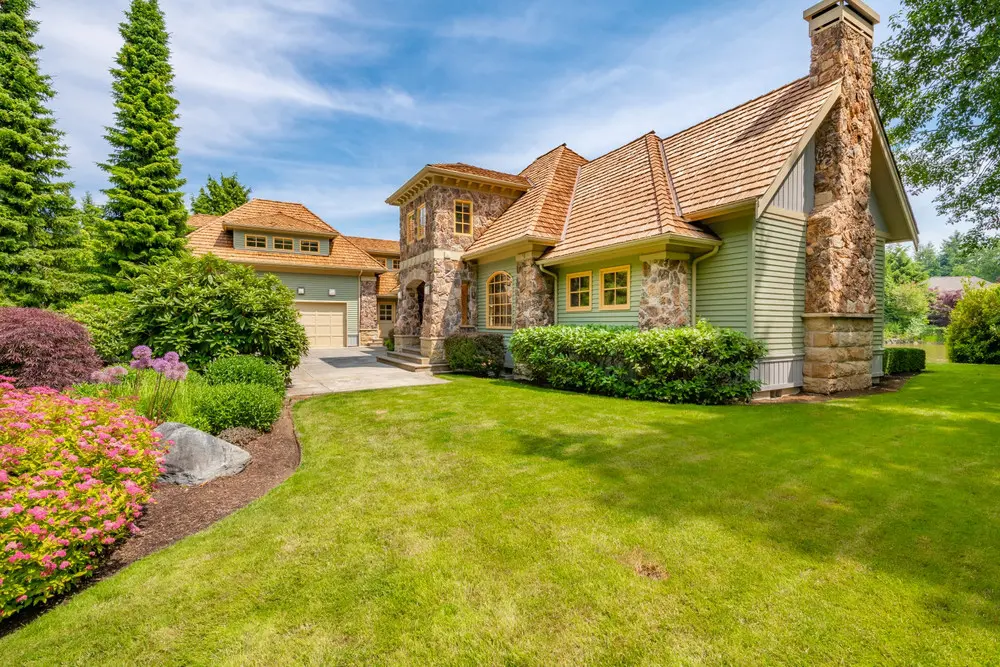
Fewer than 2% of U.S. detached single-family homes have wood shingle or shake roofs. That works out to about one in every 58 homes. Cedar shake roofs are rarer because that number also includes wood shingles and other wood types.
That’s because they’re more expensive than asphalt shingles. It probably isn’t the only reason, but it explains a lot. It certainly isn’t because of the way they look or how long a good cedar roof can last. These roofs are stunning, and they can last much longer than some other options (more on that later).
Let’s look at everything that goes into installing a cedar shake roof and see if it’s the right option for you.
A cedar shake is a tapered piece of cedar. A roofer lays thousands of them in overlapping rows, with underlayment, flashing, and the other parts of a complete roof installation underneath.
Most residential shakes are made from western red cedar or Alaska yellow cedar. Handsplit-and-resawn shakes have the rough face most people picture. Tapersawn shakes are cut on both sides, so they look a little cleaner.
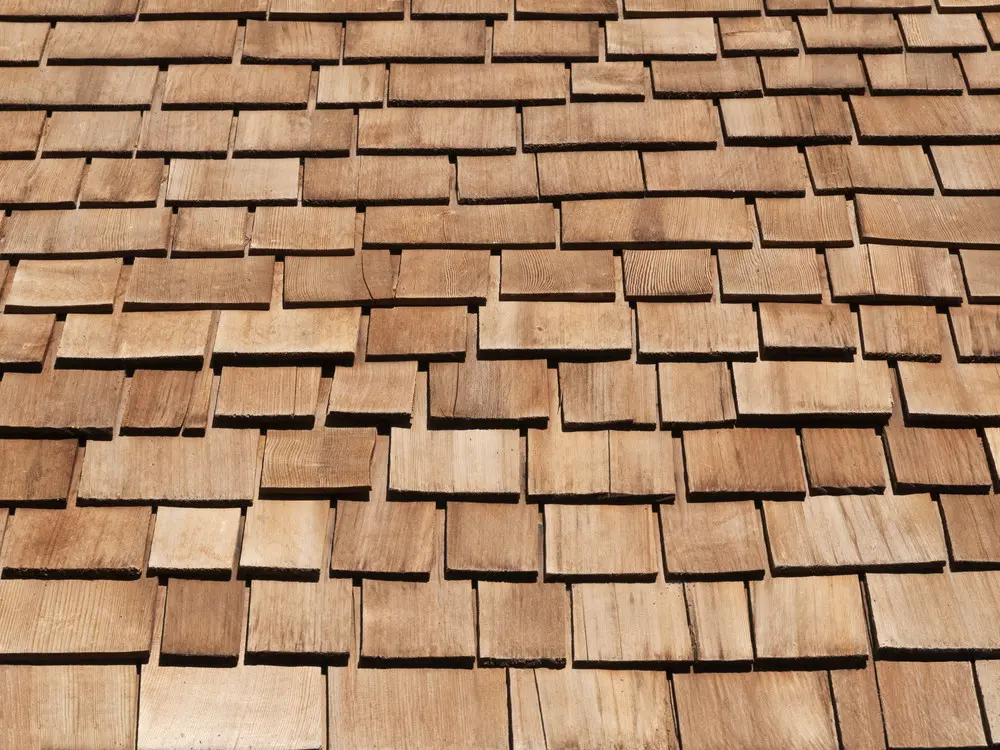
Cedar shingles are usually thinner, smoother, and more uniform. Contractors sometimes use “shake” and “shingle” interchangeably. They do not. Make sure the estimate tells you what you are actually getting.
Here are the main reasons people choose a cedar shake roof:
The photos in this article don’t do this roof type justice; it’s breathtaking in real life, especially after a little bit of natural aging highlights the character of each piece of wood.
New cedar normally starts reddish, brown, or honey-colored, then the sun and weather turn it gray. That is not the roof going bad. For many people, that is when it finally starts to look right.
It can last longer than asphalt shingles when installed and maintained correctly.
The U.S. Forest Products Laboratory says a properly installed and maintained wood shake roof should last more than 30 years. The wood itself matters, too. Flat-grain pieces can shrink and swell almost twice as much as vertical-grain pieces, making them more likely to warp or split. That is why the grade is more than a line on the estimate.
Cedar adds some natural insulation, although it will not fix a poorly insulated attic.
Cedar comes from a renewable material, and untreated wood can break down naturally at the end of its life. Treated cedar may need to be handled differently, though.
While you can never be sure an improvement like this will increase resale value, buyers may see it as an upgrade they are willing to pay extra for.
Some cedar products can hold up surprisingly well against hail and wind.
Cedar can also be tougher than it looks. Some products have earned a Class 4 impact rating after being hit with steel balls as large as 2 inches dropped from 20 feet. That does not make every cedar roof hailproof, so check the actual product instead of assuming the rating comes with the wood.
Professional installation can prevent some avoidable problems later, but it doesn’t make cedar maintenance-free. The roof still needs room to dry, and it will still need some attention over time.
Before you get too far into this decision by looking at photos, check the less exciting stuff.
Many cedar shake systems call for a roof pitch of at least 4:12. That means the roof rises 4 inches for every 12 inches it runs. A lower slope may need a different system or may not work with the product you want.
Then there is fire. Untreated cedar can be unrated, meaning it doesn’t even meet a Class C fire rating. A cedar roof can still be part of a Class A system, but that rating applies to the complete assembly, including the materials underneath. It is not as simple as spraying something on later.
Finally, consider HOA rules. Rather than pull out the bylaws and read through them, it’s usually more efficient to reach out to whoever runs the HOA.
Call your insurance company, building department, and HOA (if you have one) before signing. They may all say it is fine. Great. It is still better to ask before the cedar arrives.
Here are some basic pieces of the installation process so you can tell whether the person you hire knows what they are doing.
The crew usually removes the old roofing so they can see the deck, flashing, ventilation, and everything else that was hidden. Maybe the decking is fine. Maybe it isn’t. This is when you find out, so leave room in the budget for repairs.
“Cedar shakes” is not a complete product description. The contract should name the species, type, grade, thickness, treatment, and manufacturer. Two contractors can both say they are installing cedar while giving you two different roofs.
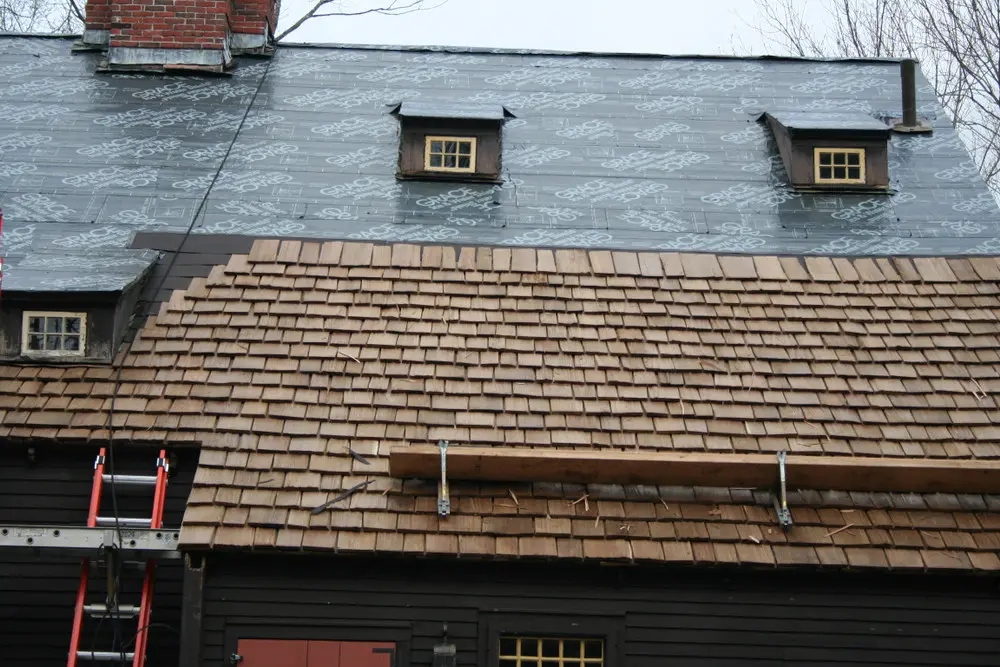
The crew repairs the deck, then adds underlayment, eave protection, and flashing. Cedar shake roofs also commonly use felt strips between the rows. This is called interlayment, and it helps keep wind-driven rain and snow from moving farther into the roof.
The installer starts at the bottom and moves up. Shakes usually need about 3/8 to 5/8 inch between them, and the joints move over from one row to the next.
Those gaps can look like a mistake. They are supposed to be there because cedar expands when it gets wet. Each shake also gets corrosion-resistant fasteners, and the rows above will cover them.
The contractor completes the ridge, hips, valleys, and flashing.
Then the contractor checks the work. A final roof inspection checklist should cover spacing, fasteners, ventilation, flashing, damaged shakes, and cleanup.
Keep the contract, product labels, treatment labels, permits, photos, and warranty information. You may need them later.
Current national cost estimates vary widely. Some price a basic installation on a roof that is ready to go. Others include a full tear-off, premium cedar, and more of the work.
Put those estimates together, and a reasonable early planning range is about $10 to $20 per square foot for a full cedar shake roof replacement. That puts 2,000 square feet of actual roof surface at about $20,000 to $40,000. A simpler job may cost less, while premium cedar, fire treatment, a steep roof, copper flashing, or damaged decking can push it higher.
| Roof Surface Area | Early Planning Range |
| 1,500 square feet | $15,000–$30,000 |
| 2,000 square feet | $20,000–$40,000 |
| 2,500 square feet | $25,000–$50,000 |
As with any roof replacement cost, use the roof area, not the house size. A 2,000-square-foot house can have more than 2,000 square feet of roof once you add the pitch, overhangs, garage, and porches.
Compare what the bids include, not just the total. A cheaper estimate may be a bargain. It may also be less roof. Check the grade, treatment, tear-off, flashing, ventilation, and allowance for damaged decking.
Consider roof financing to spread out the cost. Approval, rates, terms, and available amounts depend on the third-party lender and your circumstances.
A cedar roof needs some attention. Not constant attention, but more than an asphalt roof usually does.
The big thing is helping it dry. Keep leaves, branches, and pine needles from sitting between the shakes. Clear the gutters, and watch for moss, loose pieces, or areas that stay damp.
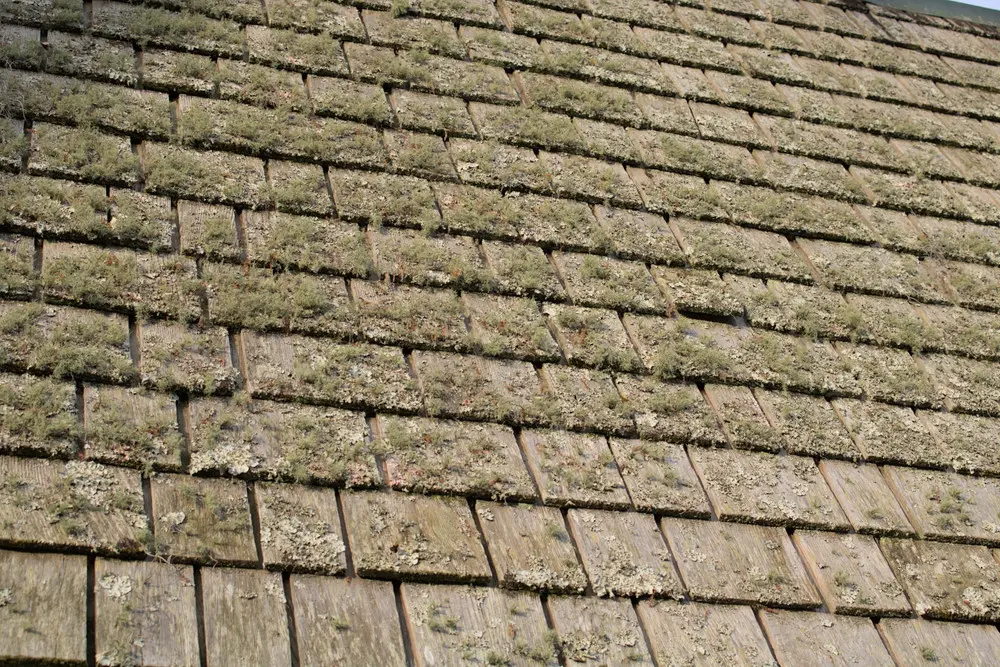
Be careful with cleaning. The U.S. Forest Products Laboratory warns that aggressive power washing can remove enough wood fiber to shorten the roof’s life. In other words, someone can make it look cleaner while quietly making it worse. Older shakes can also become brittle, so walking on them may cause cracks.
Have damaged areas handled through professional roof repair instead of trying to fix them from a ladder.
If you’re only comparing numbers, an asphalt shingle installation will usually win. It costs less, goes on faster, and gives you more contractors to choose from.
A metal roof installation may last longer and usually comes with fewer fire and maintenance concerns. A tile roof installation or slate roof installation can last a long time, too, although both are heavier and look completely different.
Most people do not choose cedar because it won every category on a spreadsheet. They choose it because they keep looking at every other roof and wishing it were cedar.
A cedar shake roof is not the practical choice for every homeowner.
It costs more and asks more of you. In return, you get a roof that can feel like part of the house instead of something placed on top of it.
If the style fits, the rules and insurance work, and the price does not talk you out of it, cedar may be worth the extra effort.
Cedar shingles are usually thinner, smoother, and sawn on both sides. Cedar shakes are generally thicker and less uniform. Exceptions exist, including tapersawn shakes, so don’t rely on the name alone. Ask the contractor to identify the exact product in the estimate.
Look for someone who can show you recent cedar roofs, not just asphalt roofs. Ask what grade, treatment, fasteners, spacing, interlayment, and ventilation method the bid includes. You don’t need to memorize every answer, but the contractor should be able to explain them without beating around the question.
A well-installed and maintained cedar shake roof can last more than 30 years, and 30 to 40 years is a common planning range. Grade, weather, shade, nearby trees, ventilation, and maintenance can all change the answer. Cedar roofs already in your area may tell you more than a national average.
A reasonable early planning range is about $10 to $20 per square foot, or around $20,000 to $40,000 for 2,000 square feet of roof. Premium cedar, treatment, tear-off, steep slopes, complex flashing, and deck repairs can raise the total.
Yes, although the cedar, pressure treatment, and contractor’s work may have separate warranties. Some require certain products, labels, paperwork, and installers. Ask who pays for labor, removal, disposal, and replacement material before treating the word “lifetime” as the whole answer.
Many homes can switch to cedar, but the old roof usually comes off first. The contractor may find damaged decking, old flashing, or ventilation that needs work. Your roof slope, local fire rules, and the selected cedar system can also require additional preparation.
No schedule fits every home. Ask a local cedar contractor what makes sense for the roof’s age, climate, shade, and nearby trees. Have it checked after major wind or hail, or when you notice missing shakes, moss, staining, or a leak.