A roof replacement is one of those expenses that few of us are ready for when it happens. Whether a storm forced your hand or your roof simply reached the end of its life, you’re now looking at a bill that typically runs between $6,000 and $20,000.
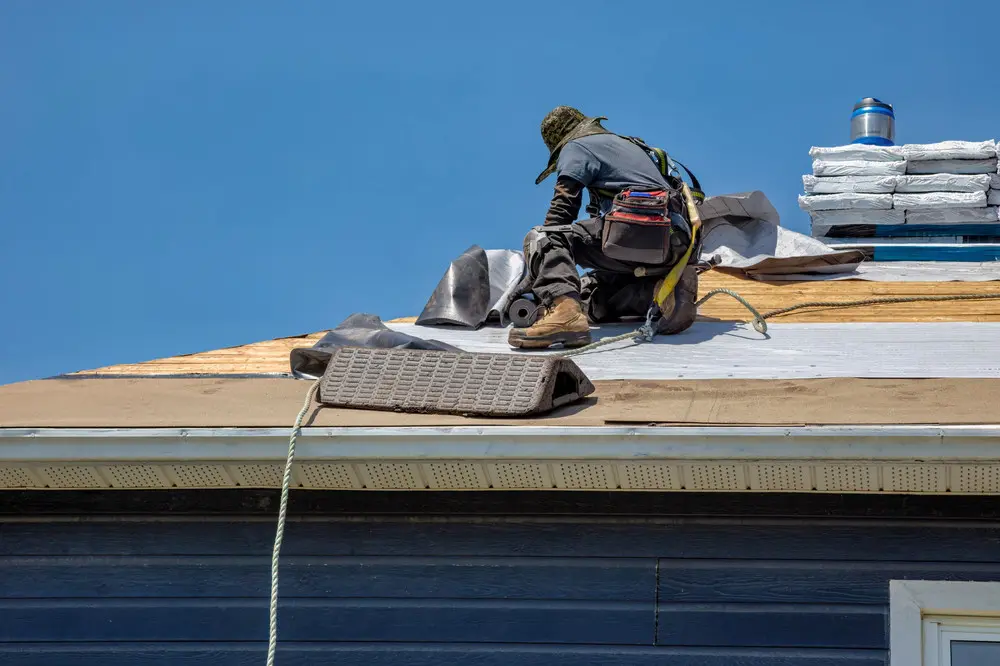
The good news is that you have real options. If you’re trying to figure out how to pay for a new roof, you may be able to file an insurance claim, use savings, borrow against your home, take out a personal loan, use a credit card, or work with a contractor who offers financing. This guide walks through each one so you can figure out what makes sense for you.
Before you can figure out how to cover the cost, you need to understand what goes into it.
A roofing contractor will consider several factors when preparing your quote, and the final number can vary significantly depending on what they find. Below, we briefly mention some of the factors. For a deeper breakdown of materials, labor, and project size, see our full roof replacement cost guide.
The bigger the roof, the more materials and labor required. Contractors measure in “squares,” where one square equals 100 square feet of surface area. They also factor in a waste allowance of 10% to 20% to account for cuts and overlaps, with more complex roofs requiring a higher allowance.
A steep roof costs more to work on. It requires safety harnesses, slower movement, and sometimes scaffolding. A roof with multiple valleys, dormers, or chimneys takes longer to flash and seal properly, which adds to the labor bill.
This is usually the biggest variable. Standard asphalt shingles are the most affordable starting point, but they typically need replacing every 20 to 25 years. Step up to metal, clay tile, or slate, and the price climbs considerably — though so does the lifespan. A metal roof can last 50 or more years, and slate can last more than a century with proper maintenance.
Before choosing a material, compare typical shingle roof cost, metal roof cost, and slate roof cost so you can weigh the upfront price against the expected lifespan.
If there are multiple layers of old shingles, the crew has to tear them all off before starting. Once the old roof is removed, they may also find rotted decking underneath that needs to be replaced before anything new goes on.
A truck that can’t get close to your house means more manual labor. Multi-story homes also take longer to work on. On top of that, local permit fees and labor rates all factor into the final quote.
Extended warranties covering both materials and labor add to the upfront cost. New gutters, improved attic ventilation, or skylight work may also come up during the job.
Here’s a quick look at the most common payment options for roof replacement, followed by a breakdown of each.
| Option | Best For | Funding Speed | Uses Home as Collateral? | Biggest Drawback |
| Homeowners Insurance | Damage from a covered event | Slow, often weeks | No | Deductible and coverage limits |
| Home Equity Loan | A large project with fixed payments | Slow, often weeks | Yes | Closing costs and foreclosure risk |
| Home Equity Line of Credit (HELOC) | Flexible or uncertain project costs | Slow, often weeks | Yes | Variable rate and foreclosure risk |
| Personal Loan | Fast funding without home collateral | Fast, often days | No | Higher APR |
| Contractor Financing | Convenience | Fast; varies | Usually No | Deferred interest or high APR |
| Credit Card | A small remaining balance or short-term bridge | Immediate | No | High APR |
| Cash or Savings | Avoiding interest | Immediate | No | May deplete emergency savings |
Homeowners insurance may help pay for a new roof when the damage is caused by a covered event, such as wind, hail, fire, lightning, or a fallen tree. Coverage depends on the policy, and you will still be responsible for your deductible, which may be a set dollar amount or a percentage of your dwelling coverage.
Insurance typically does not cover the cost of replacing a roof due to normal wear and tear, deterioration, rot, or poor workmanship. It may also pay differently depending on whether the policy uses replacement cost or actual cash value, so confirm how the claim will be settled before choosing financing for the remaining balance.
A home equity loan lets you borrow a lump sum against the value of your home at a fixed rate. Rates are often lower than unsecured options for well-qualified borrowers, but approval can take longer, and closing costs may apply. Your home is also on the line if you can’t repay.
A home equity line of credit works similarly but gives you a revolving credit line instead of a lump sum. You draw what you need and pay interest only on what you use. The downside is that the rate is usually variable, so it can increase over time.
Personal loans don’t require your home as collateral, and some lenders can fund them within a few business days. APRs vary widely based on your credit, income, existing debt, loan term, and lender. They’re usually faster than home equity products but often more expensive.
Many roofing companies offer financing through third-party lenders, sometimes with promotional terms. These offers can be convenient, but read the terms carefully. Some are true 0% APR promotions, while others use deferred interest. With deferred interest, failing to pay the promotional balance in full by the deadline can trigger interest accruing from the original purchase date.
Credit cards can work for a smaller balance or a short-term bridge if you can pay them off quickly. For a full replacement, standard APRs, often above 20%, can make them one of the most expensive options.
Paying out of pocket avoids interest entirely, making it the cheapest option in the long run. The main risk is draining your emergency fund, which can leave you exposed if something else goes wrong before you can rebuild it.
Here’s what actually determines how much the financing will cost you overall.
The interest rate is the cost you pay to borrow the money. The APR includes the interest rate plus certain lender fees, so it is usually the better number for comparing loan offers. Even a few percentage points can make a meaningful difference on a $10,000 loan. A fixed rate stays the same throughout the loan; a variable rate can change.
A longer repayment term lowers your monthly payment but increases the total amount you pay. A shorter term costs more each month but saves money overall. When comparing options, look at the total repayment amount, not just the monthly figure.
Stronger credit generally improves your approval odds and can help you qualify for better rates and terms. Lenders may also consider your income, existing debts, loan amount, and other application details. If your credit needs work, it may be worth improving it before applying, assuming the roof can wait.
An active leak doesn’t give you time to shop around for the best rate. Personal loans and contractor financing are the fastest options when you need someone on your roof immediately. If timing is flexible, slower options like home equity loans usually cost less.
Origination fees, prepayment penalties, and deferred interest clauses can all inflate the real cost of a loan. Read the fine print on any financing offer before signing, especially contractor deals with promotional rates.
A few practical moves can bring the price down without compromising the quality of the work.
Renovate is a simple way to take the next step without calling around. Share a few details about your roof and your timeline, and we’ll try to connect you with a local contractor who fits your needs.
If you’re looking to finance the project, you can also request roof financing through participating partners. Eligible homeowners may qualify for a Renovate rebate of up to 5%, subject to program terms. The project must originate through Renovate and be completed by a Renovate network contractor.
Paying cash is usually the cheapest option because it avoids interest and fees. The risk is that you drain your emergency savings, which can put you in a more difficult spot down the line. If you need to borrow, a home equity loan may offer a lower rate, while a personal loan can make more sense when speed or avoiding home collateral matters.
Many roofing contractors require a deposit before work begins, but the amount and payment schedule vary by company and state law. Paying the full price upfront is a red flag. The contract should tie later payments to completed work, with final payment due after the job is finished and accepted.
Yes. You can finance the deductible, upgrades, or any part of the project your policy does not cover. Before borrowing, ask whether your claim is based on actual cash value or replacement cost and whether the insurer will release any withheld depreciation after the work is complete.