A flat roof is not completely flat. It has a slight slope that directs water toward drains, scuppers, or gutters. That is why two flat roofs of the same size can have very different replacement costs. Drainage issues, wet insulation, deteriorated decking, flashing details, and roof access often explain the difference.
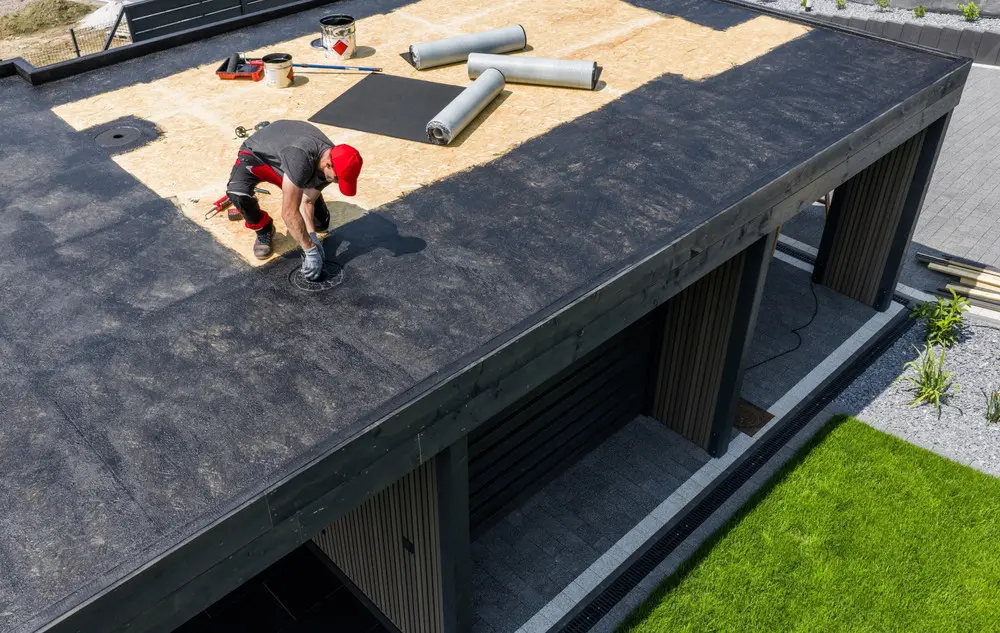
Flat roof replacement typically costs $4 to $15 per square foot, with total project costs often ranging from $4,000 to $20,000 or more. Factors such as roof condition, material choice, labor rates, tear-off work, and hidden damage found during removal all affect the final number.
Flat roof replacement typically costs $4 to $15 per square foot, with total project costs often ranging from $4,000 to $20,000 or more. The table below applies that broad range to roof area for early planning; an actual quote may fall outside it.
| Roof Size | Planning Cost Range |
| 250 Sq. Ft. | $1,000–$3,750 |
| 500 Sq. Ft. | $2,000–$7,500 |
| 750 Sq. Ft. | $3,000–$11,250 |
| 1,000 Sq. Ft. | $4,000–$15,000 |
| 1,500 Sq. Ft. | $6,000–$22,500 |
| 2,000 Sq. Ft. | $8,000–$30,000 |
Online estimates vary because sources use different roof sizes, locations, and scopes. Some include tear-off, insulation, flashing, permits, and repairs, while others price only the membrane installation.
Smaller garage, porch, and addition roofs usually cost less in total because they cover less area, although small projects can cost more per square foot when setup and minimum charges are spread over fewer square feet.
A flat roof quote depends on how the whole roof system performs. The contractor will assess how water leaves the roof, the condition of the surface, how much flashing is needed, and how difficult the job will be.
Roofers price the job by roof area, not by the size of the rooms underneath. A 1,500-square-foot home does not always have a 1,500-square-foot roof.
A bigger roof needs more membrane, insulation, edge details, labor, and debris removal, so the cost increases with size.
Removing an existing roof adds labor and disposal expenses.
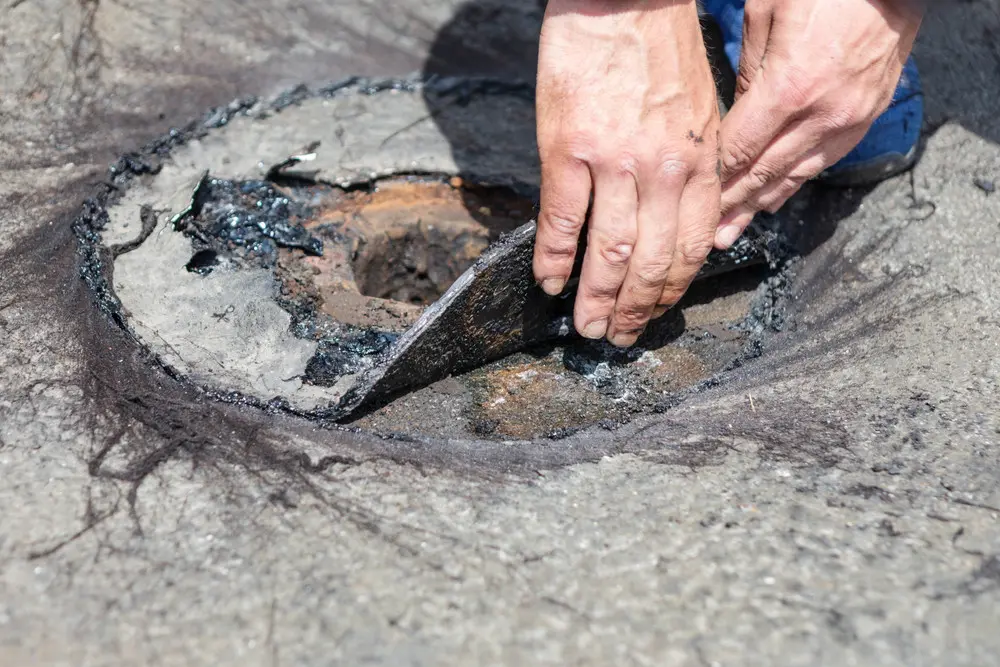
A roof with one layer of membrane is usually less expensive to remove than a roof with multiple layers built up over several decades. Local building codes may require complete removal in certain situations, particularly if moisture is trapped beneath the existing roofing system.
Poor drainage is one of the most common reasons flat roofs fail.
Water that remains on the roof for long periods can increase wear on roofing materials and expose weaknesses in seams and flashing. Contractors may recommend adding tapered insulation, repairing drains, adjusting scuppers, or correcting slope issues.
These upgrades increase project costs but often prevent future leak problems.
A roof that looks fine from above can conceal substantial damage underneath.
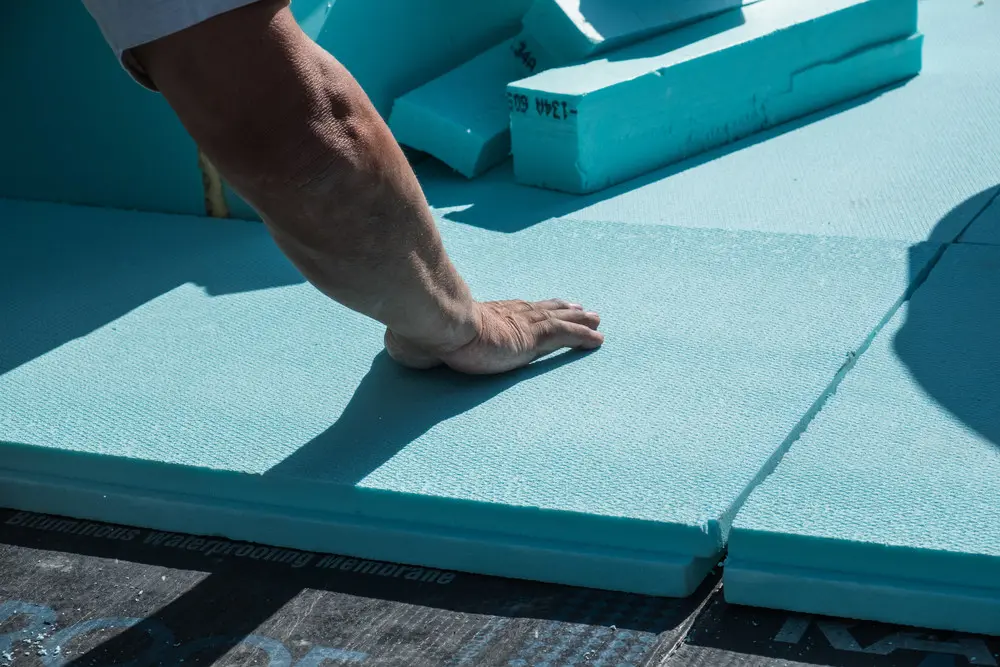
After the old membrane comes off, the crew may find soaked insulation, soft wood, damaged cover board, or signs that water has been sitting under the roof surface. Repairing those areas can raise the price after work begins.
Flat roofs contain numerous areas where leaks commonly develop.
Flashing around parapet walls, roof edges, vents, skylights, HVAC equipment, drains, and plumbing penetrations requires careful installation. A roof with many penetrations generally costs more than a simple open roof surface.
Labor costs vary by region.
A roof that is difficult to reach may require additional staging, equipment, or safety measures. Multi-story buildings often cost more to work on than a single-story garage or addition.
Material delivery, debris removal, dumpster placement, and haul-away logistics can also influence pricing.
The material you choose will shape the price, but it will not protect the roof on its own. If water cannot drain properly or the flashing is poorly installed, a good membrane can still fail sooner than it should.
EPDM is one of the most affordable flat roofing systems available.
It performs well on simple roof layouts and can provide decades of service when installed properly. Garages, additions, and other simple roof designs are often good candidates for EPDM roofing.
Typical installed cost: $4 to $11 per square foot.
Lifespan: 20 to 30 years
TPO has become one of the most common flat roofing materials in residential and commercial construction.
Its reflective surface can reduce heat absorption in warmer climates. Installation quality matters greatly, as seams must be welded correctly to maintain waterproofing performance.
Typical installed cost: $5 to $14 per square foot.
Lifespan: 20 to 30 years
PVC roofing offers strong heat-welded seams and resistance to chemicals, grease, and weathering.
It often costs more than TPO but may provide advantages for certain applications where durability is a priority.
Typical installed cost: $6 to $15 per square foot.
Lifespan: 20 to 30 or more years
Modified bitumen is an asphalt-based roofing system commonly used on residential low-slope roofs.
It can be installed using several methods and performs well on smaller roof areas where homeowners want a proven roofing solution.
Typical installed cost: $4 to $10 per square foot.
Lifespan: 15 to 25 years
BUR uses multiple layers of asphalt and reinforcing materials.
The system has been used for decades and is known for its durability. Its weight and installation process make it less common on some residential projects today.
Typical installed cost: $5 to $12 per square foot.
Lifespan: 20to 30 years
Certain low-slope roofs can accommodate specialized metal roofing systems.
Metal roofs can last for many decades, though they require sufficient slope and proper design details. Comparing metal roof costs with flat membrane pricing can help homeowners decide which system best fits their roof.
Typical installed cost: $8 to $20 or more per square foot.
Green roofs combine waterproofing systems with vegetation and growing media.
These systems require a structural-capacity assessment, drainage planning, waterproofing protection, and ongoing maintenance. Some roofs may need reinforcement, particularly for deeper intensive systems, but lightweight extensive systems do not always require additional structural support.
Typical installed cost: $15 to $50 or more per square foot.
The lowest number on a quote does not always tell the full story. What matters is what the contractor included, what they left out, and how they plan to handle drainage, flashing, tear-off, and repairs.
A detailed quote should clearly identify:
Several expenses may appear separately from the base roof replacement cost, including:
Flat roofs rely on waterproof membranes and sealed details, while pitched roofs use slope and overlapping materials to shed water. That difference makes one-to-one price comparisons imperfect.
Flat membrane costs may overlap with asphalt shingle pricing. Standing-seam metal commonly costs more but can last longer, while tile and slate roofs are generally heavier, more labor-intensive, and intended for steeper roof designs. Compare the complete installed scope, structural requirements, and expected service life; not only the price per square foot.
A lower price does not always mean a lower overall cost. These steps can help keep the project within budget without cutting corners:
The cheapest quote may become the most expensive option if it ignores the reason the existing roof failed.
Flat roof replacement involves drainage, seams, flashing, safety requirements, building codes, and warranty conditions. It is usually best left to a qualified, insured roofing contractor; verify any license required in your area. A small installation error can allow water to enter slowly, causing hidden damage before a leak becomes visible.
Homeowners can document leaks and keep accessible gutters and downspouts clear. Inspect the roof from the ground, and call a professional for any task that requires climbing onto it, including clearing roof drains or debris. Full replacement, especially torch-applied work, should be handled by trained professionals.
Ready to move forward? Submit a request through Renovate to try to connect with a local roofing contractor for your roof replacement.
A full replacement is not always necessary.
Repairs may make sense when damage is limited to a small area and the rest of the roofing system remains in good condition.
A roof recovery installs new roofing over an existing roof.
This option may be available when the current roof is dry, structurally sound, compatible with the new system, and permitted by local building codes.
Replacement is often the better choice when the roof has recurring leaks, saturated insulation, deck damage, drainage problems, multiple layers of roofing, or an aging membrane nearing the end of its service life.
A flat roof usually lasts 15 to 30 years, depending on the material, installation quality, drainage, and maintenance. A roof with standing water, weak seams, or poor flashing may fail earlier. A well-installed roof with clear drains and regular inspections can stay in good condition much longer.
A flat roof may need replacement after 20 to 30 years, but age is not the only factor. Recurring leaks, soft decking, wet insulation, ponding water, split seams, or multiple past repairs can all indicate the need for replacement. A roof inspection can confirm whether another repair still makes sense.
A new flat roof can sometimes be installed over an existing roof, but only when the old roof is dry, stable, compatible, and allowed by local code. If moisture is trapped underneath, recovering the roof can conceal the problem and lead to higher repair costs later.
Get several itemized quotes, address leaks before they damage the deck or insulation, and ask whether a repair, roof recover, or full replacement makes sense. Choose a system suited to the roof rather than the cheapest membrane. Keeping drains, scuppers, and gutters clear can also help prevent avoidable damage.
EPDM and modified bitumen are often among the least expensive common flat-roof systems, but local labor, attachment method, insulation, and tear-off needs can change the ranking. Compare the complete installed scope rather than membrane price alone, because a low bid may omit necessary drainage or flashing work.
Many small, straightforward flat roof replacements take a few days. Tear-off, wet insulation, deck repairs, difficult access, complex flashing, inspections, permitting, or bad weather can extend the work to a week or longer. Ask each contractor what could change the projected start and completion dates.
Flat and low-slope roofs need regular attention because debris and clogged drains can allow water to pond. Keep accessible drainage paths clear from the ground, and arrange professional inspections after severe weather or when leaks appear. Maintenance needs vary by material, climate, roof access, seams, and penetrations.