Last reviewed: September 16, 2026.
The federal Energy Efficient Home Improvement Credit is no longer available for property placed in service after December 31, 2025. But if you completed qualifying work in 2025, you may still be able to claim the credit on your 2025 federal tax return filed in 2026.
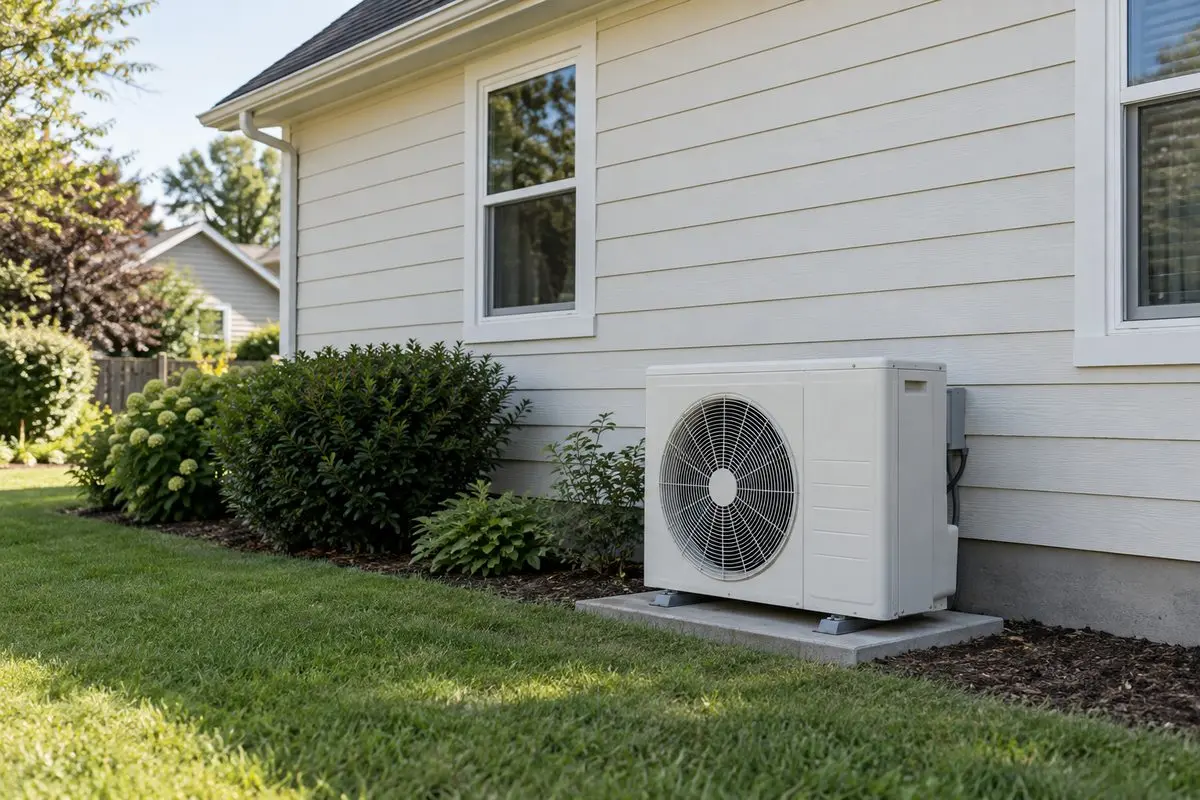
The date alone does not make a project eligible. The home, product, expense, and installation must also meet the rules that applied for 2025. Here is how to check whether your project may qualify, what you need to file, and where to look for incentives if you are planning new work in 2026.
Yes. Section 25C offered a federal tax credit for certain home energy upgrades, eligible equipment, and qualified energy audits. Instead of paying homeowners back for part of the project cost, the credit reduced the amount of federal income tax they owed.
Timing matters. Property generally had to be “placed in service” by December 31, 2025. In homeowner terms, it had to be installed and ready to use.
For example, say you ordered a qualifying heat pump and paid a deposit on December 20, 2025, but didn’t complete installation until January 8, 2026. The 2025 purchase or contract does not keep the project eligible because the equipment was placed in service in 2026.
The home also had to qualify. Windows, exterior doors, insulation, and air sealing generally had to be installed in an existing U.S. home that you owned and used as your principal residence. Certain qualifying equipment, such as heat pumps and central air conditioners, could qualify when installed in another U.S. home that you used as a residence.
For unusual ownership situations, check the IRS eligibility rules or speak with a qualified tax professional.
For qualifying 2025 work, the credit generally equaled 30% of eligible expenses, subject to annual limits. One group of improvements shared a $1,200 limit. Qualifying heat pumps, heat pump water heaters, and biomass equipment had a separate $2,000 combined limit.
The often-mentioned $3,200 maximum was not a flat credit for any project.
| Qualifying 2025 Improvement | Maximum 2025 Credit |
|---|---|
| Heat pumps, heat pump water heaters, and biomass stoves or boilers | $2,000 combined |
| Insulation and air sealing | $1,200 |
| Exterior doors | $250 per door, $500 total |
| Exterior windows and skylights | $600 combined |
| Central air conditioners | $600 per qualifying item |
| Qualifying gas, propane, or oil water heaters, furnaces, and hot water boilers | $600 per qualifying item |
| Eligible electrical panel and related electrical improvements | $600 per qualifying item |
| Home energy audits | $150 |
The limits do not simply stack. Everything outside the separate $2,000 heat-pump and biomass group generally shared the overall $1,200 annual cap.
Here’s an example. A homeowner could be eligible for $600 for their windows, $500 for two exterior doors, and $600 for a new central air conditioner. On paper, that adds up to $1,700. But because these improvements fall under the same $1,200 annual limit, they could claim at most $1,200 for the year.

Installation labor did not count for insulation, air sealing, windows, skylights, or exterior doors. Certain installation labor for qualifying energy equipment could count. Products also had to meet the 2025 efficiency standards. A label saying “energy efficient” was not enough.
Some rebates and utility subsidies reduce the expenses used to calculate the credit, so the full invoice amount may not qualify. Check the IRS rules for any incentives you received for the same work.
Electrical panel, subpanel, feeder, and branch-circuit work had added requirements. The electrical work had to meet applicable National Electrical Code requirements, have a load capacity of at least 200 amps, and enable a qualifying improvement or energy property. Qualifying home energy audits also had to be completed by an appropriately qualified auditor with a written report that met IRS requirements.
Section 25C was also nonrefundable. It could reduce federal income tax liability, but it could not create a refund beyond that liability. You could not carry any unused amount into a later tax year.
If your project qualifies, complete Part II of the 2025 Form 5695, following the IRS instructions, and file the form with your 2025 federal income tax return.
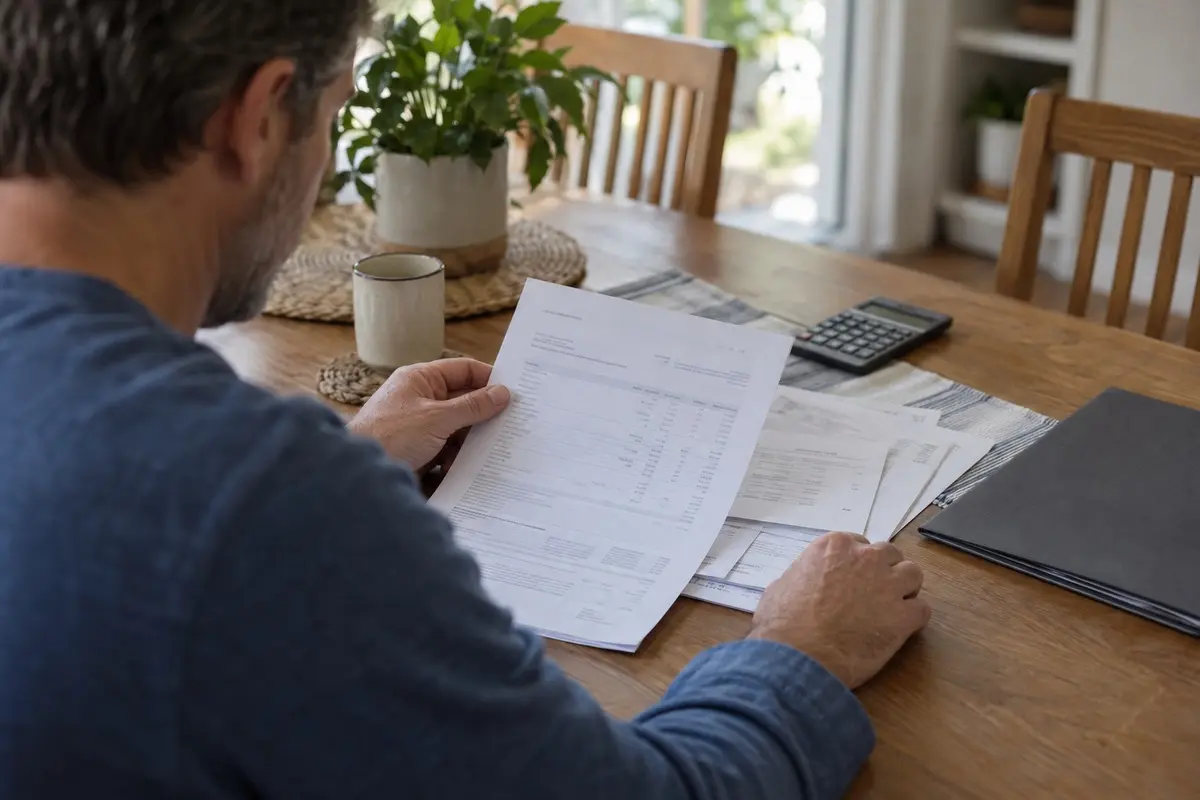
For specified products placed in service in 2025, the form requires a four-character alphanumeric Qualified Manufacturer Identification Number, or QMID. Insulation and air-sealing materials do not require a product identification number, and a QMID is not required for a home energy audit. A code alone also does not prove that a product qualifies.
Before filing, gather the records that support the claim:
Keep receipts, manufacturer certifications, and supporting records. Some Form 5695 entries also require attached statements, including QMID and cost details for additional qualifying items. Follow the instructions for the expenses you claim.
Already filed your 2025 return and missed an eligible credit? You may need to amend it using Form 1040-X. Deadlines depend on when you filed the original return and when you paid the tax, so check the current IRS amended-return guidance.
Section 25C is gone for new 2026 installations, but other incentives may still reduce the cost of some projects. They are separate programs with their own locations, income rules, equipment requirements, funding, and application steps.
Start with your state energy office and utility company. Eligibility can depend on the address, utility, equipment, contractor, and timing.
In Massachusetts, for example, Mass Save offers 2026 incentives for qualifying heat-pump projects through participating electric and gas sponsors. The exact offer depends on the system and household circumstances, so homeowners should confirm current Mass Save rebates before committing to equipment.
New York works differently. NYS Clean Heat incentives are tied to participating utilities, which means available New York heat pump rebates can depend on the electric utility serving the property.
A program that applies in one utility territory or household may not apply to the next.
The Department of Energy oversees two home energy rebate programs: HOMES and the High-Efficiency Electric Home Rebate program, or HEEHR.
HOMES focuses on whole-home projects that meet energy-saving requirements and can serve households at different income levels. HEEHR covers certain efficient electric upgrades for households generally earning less than 150% of area median income, adjusted for household size. Local programs may have narrower eligibility rules.
For new HEEHR reservations through state and territory programs, heating and cooling upgrades in existing homes generally must replace existing electric equipment, rather than switch from gas, oil, or propane. Previously approved reservations may follow different rules.
Before buying equipment or signing with a contractor, check the HOMES and HEEHR rebates available in your area. Confirm that funding is active, your equipment and household qualify, the contractor meets program rules, and you get any required approvals before installation.
Manufacturer promotions are commercial discounts, not tax credits. Financing is separate too.
It can be, but the answer depends on the project.
Start with your equipment’s condition. Replacing a failing furnace is a different decision from replacing a working system only because a tax credit used to be available.
Then look at the full installed price, local energy costs, expected performance, comfort needs, and confirmed incentives. Subtract only rebates or discounts you know you qualify for. That gives you a clearer view of the remaining project cost.
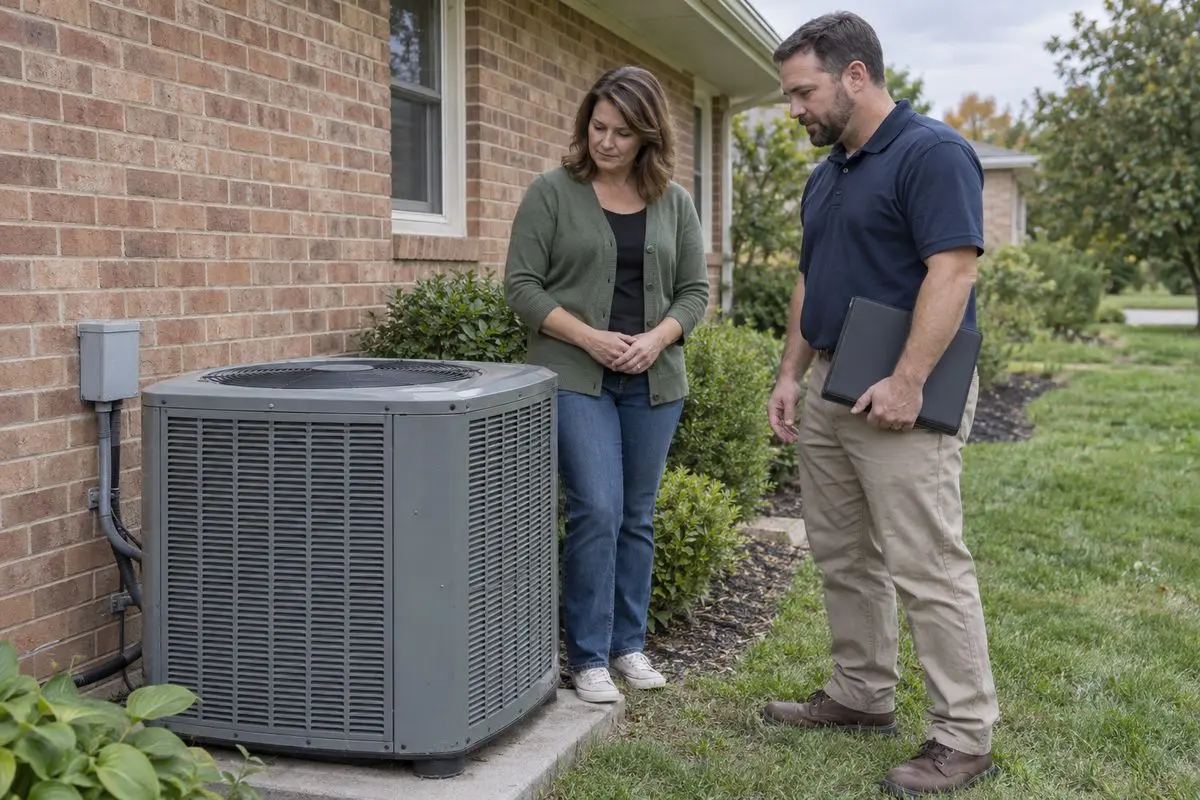
For an HVAC project, you can use Renovate’s HVAC repair and replacement services to request a connection with a local contractor and discuss options based on your system’s age and condition. The same approach works for other efficiency upgrades: the best choice depends on your home, not just a national incentive.
If the remaining cost is more than you want to pay upfront, home remodeling financing may offer another way to fund the work. Financing is subject to approval, terms, interest, and fees, and Renovate is not the lender. Treat it as a payment option, not an incentive or guaranteed source of savings.
The credit has ended, but your chance to claim it may not have. Check your 2025 project records before assuming you missed out, even if you have already filed your return. For new work, confirm the incentives available where you live before choosing equipment or signing a contract. There may still be help with the cost. Just make sure you budget for the savings you qualify for, not a credit that was available when you first started planning but not any longer.
Buying, ordering, or putting down a deposit in 2025 did not preserve the Section 25C credit if the equipment was placed in service in 2026; for this credit, installation timing matters. Equipment installed and ready for use after December 31, 2025, falls outside the federal credit’s eligibility period.
Possibly. Receiving a refund does not automatically mean you had no federal income tax liability. A refund can result from withholding or estimated payments. Because Section 25C was nonrefundable, the amount you could use was limited by your tax liability for the year, not simply whether your return showed a refund.
No. You can’t carry forward an unused Energy Efficient Home Improvement Credit to a later tax year. That is different from filing a 2025 return in 2026 or amending a 2025 return later. Those actions still relate to the 2025 tax year and eligible 2025 work.
No. Qualifying improvements you installed yourself may still be eligible, provided they met the 2025 product, expense, and timing rules. That does not mean every project is suitable for DIY work. Separate rebate programs may require an approved contractor, even though Section 25C did not.
No. Section 25D covered a different group of home energy upgrades, including solar panels, geothermal systems, wind energy, fuel cells, and battery storage. New systems installed after December 31, 2025, are no longer eligible. However, homeowners may still be able to carry forward unused Section 25D credit from qualifying work completed in an earlier year.