Many residential gutter installation projects cost between $1,000 and $6,000, although premium materials, complex rooflines, extensive repairs, and difficult access can push the total higher. Pricing is based largely on linear feet. Costs vary from one home to another, depending on the scope, the materials selected, and whether any repairs or upgrades are needed before the new gutters can be installed.
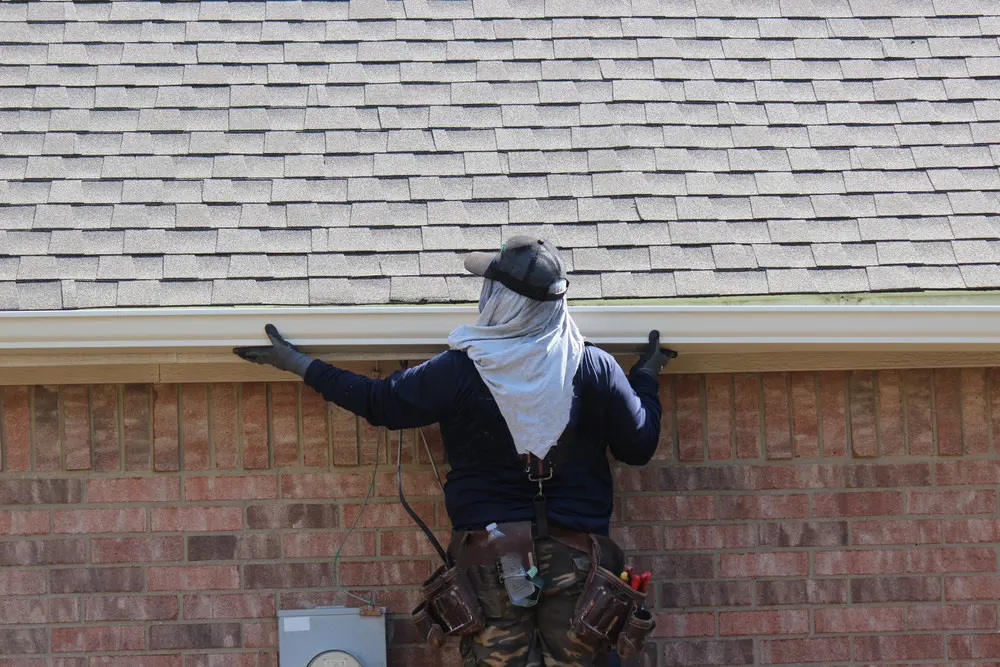
A properly installed gutter system protects your home every time it rains, channeling water away before it can damage your foundation and exterior walls.
Gutters help direct rainwater after it leaves the roof. Without them, water can fall straight to the ground, soak the soil near the house, stain the siding, damage the trim, and increase the risk of moisture in the basement or crawl space.
The gutter itself is only part of the system. Downspouts need to carry water far enough away from the home, not release it beside the foundation. If water still pools at ground level, the system is not doing its job.
So, a good gutter installation comes down to small details. The gutters need to sit in the right place under the roof edge, slope toward the outlets, and have enough downspouts to handle heavy rain.
| Situation | Likely Next Step |
| One leaking seam, one loose bracket, minor isolated damage | Gutter repair |
| Multiple leaks, widespread corrosion, sagging runs, or gutters pulling away | Gutter replacement |
| New build or missing gutters | New gutter installation |
| Recurring clogs or overflow, roof replacement, or pooling near the foundation | Inspect the gutters, downspouts, roof edge, and grading before deciding |
| Water behind gutters, rotted fascia, or roof-edge damage | Repair or inspect the roof edge and fascia before installing gutters |
General installed prices may range from about $3 to $40 or more per linear foot across materials and system types. Note that any online estimate, including the ranges below, is a starting point for budgeting. A gutter installation contractor still needs to assess the roofline, fascia condition, number of stories, access, and drainage layout before giving you a specific estimate.
| Material | Installed Cost per Linear Foot |
| Vinyl | $3–$10 |
| Aluminum | $5–$18 |
| Steel, Depending on Type | $8–$27 |
| Copper | $15–$40+ |
Rough gutter cost estimate: Multiply the home’s estimated linear feet of gutter by the installed price per foot, then add removal, fascia or soffit repairs, gutter guards, and drainage upgrades.
The table below shows why two homes with the same gutter length can still receive different quotes:
| Cost Factor | How It Affects Price |
| Linear feet | The longer the roofline, the more material and labor the job needs. |
| Home height | Upper stories usually increase the cost because the work takes longer and requires more equipment. |
| Material | Vinyl and aluminum are usually the lower-cost choices. Steel, zinc, and copper cost more. |
| Seamless vs. sectional | Seamless gutters usually cost more upfront, but they reduce the number of joints along the run. |
| Gutter size | Larger gutters cost more, but they may be worth it if the roof sends down a lot of water. |
| Fascia and soffit condition | Damaged boards should be repaired before new gutters go on. |
| Downspouts and extensions | A better drainage plan can add cost, but it also helps move water farther from the home. |
| Gutter guards | Guards raise the upfront price, but they can reduce how quickly debris builds up. |
| Removal and disposal | Removing old gutters may be included in the quote or listed as a separate charge. |
Sectional gutters come in pre-cut lengths that are joined together along the roofline. They cost less and are available for DIY installation, but every joint is a potential leak point. Those joints rely on sealant and may need resealing or repair over time as the materials expand, contract, and age.
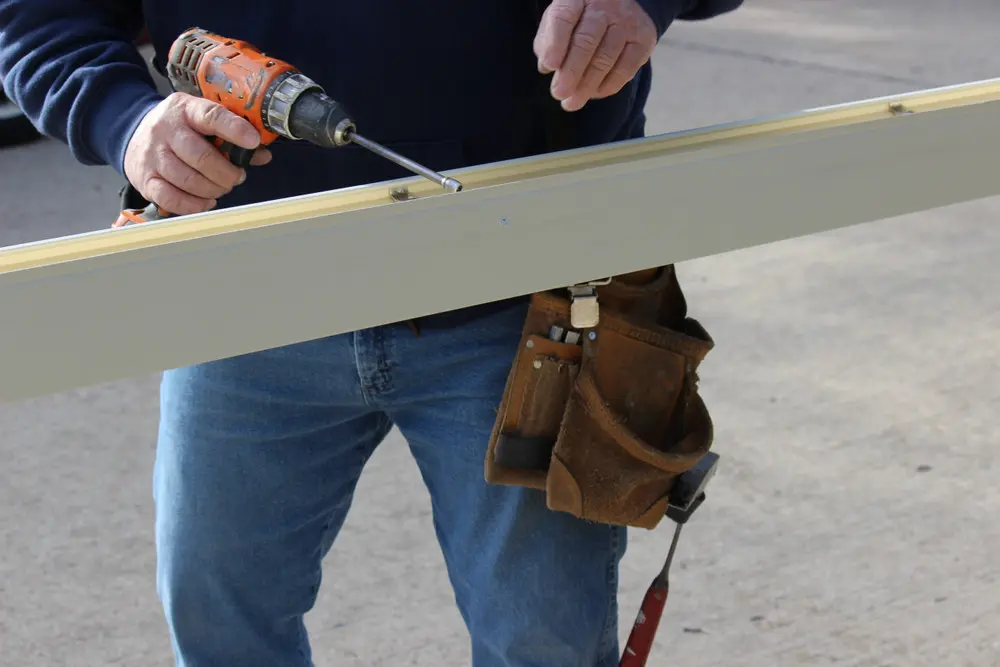
Seamless gutters are cut to length on-site using a machine that the installer brings to the job. There are fewer joints because there are no mid-run seams, only at corners, end caps, and outlets. That means fewer places for leaks to develop, a cleaner appearance, and generally better long-term performance.
Seamless gutters are not leak-proof. The joints that do exist still need to be sealed and installed correctly, and installation quality matters regardless of the system.
The right gutter system depends on the materials, profiles, and sizes used, which affect cost, durability, and drainage capacity.
Vinyl is usually one of the lowest-cost options. It can become brittle in cold weather and may warp or sag in extreme heat.
Aluminum is the most common residential choice. It is lightweight, rust-resistant, available in many finishes, and suitable for a wide range of gutter systems when properly sized. Steel is heavier and stronger, which makes it useful in areas with significant snow or ice loads, but if the coating is damaged, it can still corrode.
Copper is a premium material with a long lifespan and a distinctive appearance, but it is significantly more expensive than aluminum or steel. Zinc is similarly premium and long-lasting, with specialized installation requirements.
K-style gutters are the standard on most modern homes. The flat back attaches directly to the fascia, and a K-style gutter generally holds more water than a half-round gutter of the same nominal size.
Half-round gutters are used on older or historic homes and offer a cleaner, more traditional look. Fascia and custom profiles produce a sleeker finish but typically cost more.
Five-inch gutters work for many homes, which is why they are so common. But they are not always the right fit. A steep roof or a home in a high-rainfall area may need a larger system to prevent water from spilling over the edge.
Six-inch gutters can carry more water, so contractors often recommend them when the roof directs a lot of runoff to one section. They can also make sense with metal roofing, since water tends to shed faster than it does from asphalt shingles.
A contractor should size the system based on the roof area and pitch, local rainfall, concentrated runoff from valleys, and the number and capacity of the downspouts.
Professional installation involves more than attaching gutters to the roofline; the contractor should inspect the existing drainage, plan where the water will flow, and ensure the finished system works properly.
Before measuring anything, a good contractor looks at the fascia, soffit, drip edge, and existing gutters for damage and signs of where water has been going. That inspection shapes everything that follows.
The measurement is not just total linear footage. The contractor is also deciding where water exits the system and how to route it away from the foundation effectively.
The right recommendation depends on the home’s roof area, pitch, climate, and the homeowner’s preferred maintenance approach. A thorough recommendation should account for those factors rather than defaulting to the same product for every home.
New gutters should never be installed on rotted fascia. If the boards behind the gutters are damaged, they need to be repaired before installation so the new system has something solid to hold onto.
Seamless gutters are fabricated on site using a gutter-forming machine. Sectional gutters come in shorter pieces, so the contractor connects and seals them during installation.
Gutters need a slight slope so water moves toward the downspouts. The contractor secures the gutters with hangers and places outlets where the water should exit. These details are easy to miss from the ground, but they affect how well the system drains.
The job is not finished until the water has somewhere safe to go. Downspouts should release water far enough from the foundation so it does not soak the soil beside the house. That may mean adding extensions or splash blocks or connecting the downspout to a suitable drainage system where permitted.
Before leaving, the crew should run water through the system or otherwise confirm that each run drains toward the intended outlet. The contractor should also clean the work area and explain what was installed, where the water exits, and what the homeowner should monitor over time.
Most contractors do good work. Some do more than others, and knowing what a thorough installation includes makes it easier to ask the right questions and recognize the difference in quotes.
A few details tend to separate a system that holds up from one that just looks finished:
A complete gutter installation estimate should be specific enough to show what you are paying for. Look for details such as:
Also, pay attention to what the quote leaves out. A vague one-line total, no downspout plan, no mention of fascia condition, or no written warranty can make it harder to compare bids fairly. Be cautious with large upfront payment requests that are not tied to clear contract terms. Also be cautious about pressure to sign immediately or claims that a gutter-guard system means the gutters will never need cleaning or inspection.
Clean and inspect gutters at least once a year, and more often if the home has overhanging trees or sits in an area with heavy leaf fall. After major storms, check that downspouts, elbows, and outlets are clear and that water is still discharging away from the home. Trim overhanging branches where practical, and recheck the gutters after roof, siding, or tree work that could loosen hangers, change the roof edge, or leave debris behind.
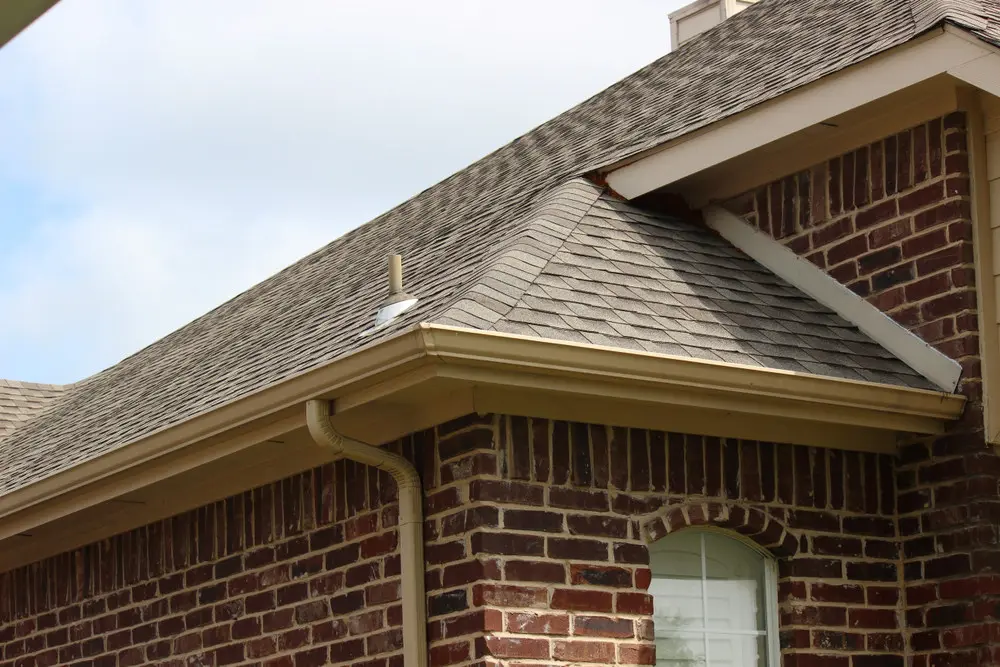
Look for sagging sections, standing water after rain, loose hangers, rust, separated seams, or staining on the fascia behind the gutter. Any of those is worth addressing before they become larger repairs.
Gutter guards reduce debris but do not eliminate the need for maintenance. The system still needs periodic inspection and clearing, particularly at downspout outlets.
Important note: Working on gutters means working at height. If inspection or cleaning requires a ladder, take it seriously. Use a stable ladder on firm ground, have someone present, and hire a professional for anything involving a steep roof, two-story height, or difficult access.
Some gutter problems start somewhere else. Before replacing the system, it helps to look at what the water is doing and where the damage shows up.
Gutters are easy to treat like an exterior finish, but their real job is drainage. The material and profile should suit the home, but the system also has to be sized, pitched, and positioned so water leaves the roof and keeps moving away from the house.
Many gutter installation projects cost between $1,000 and $6,000, although taller homes, premium materials, complex rooflines, extensive repairs, or difficult access can push the total higher. Smaller, straightforward projects may fall near the lower end. Online ranges help with budgeting, but detailed written quotes are a better basis for comparison.
Seamless gutters are often worth it for longer rooflines or homes with old systems that keep leaking at the joints. Because they are made in longer continuous runs, there are fewer places for leaks to develop. They still need careful installation at corners, outlets, and downspouts.
Some homeowners can install a short sectional gutter run on a single-story home, but even a small project involves working at height and can be dangerous. Seamless gutters, two-story homes, complex rooflines, and other larger projects are generally better left to a contractor with the proper equipment and experience.
Many straightforward gutter installation projects take one day. The timeline can stretch if the home is large, the old gutters need to be removed, or the fascia needs repair. Weather can also slow the work, especially when sealants need dry conditions.
Many homes use 5-inch K-style gutters, but that size is not right for every roof. A larger 6-inch gutter may make sense when the roof directs more water into the system, such as on steep roofs or in areas with heavy rain.
Most gutters should be cleaned and inspected at least once a year. Homes with overhanging trees may need more attention, especially after heavy leaf fall or storms. The main goal is to keep water moving through the outlets and downspouts without backing up.
No. Gutter guards can reduce the amount of leaves and debris that enter the system, but they do not make gutters maintenance-free. Outlets and downspouts can still clog, and small debris can still collect over time. Occasional inspection is still needed.
Replacement usually makes more sense when the problems are widespread. Repeated leaks, sagging runs, rust, loose sections, or water damage around the home can all point to a failing system. If the problem is limited to one seam, bracket, or short section and the rest of the system remains sound, a repair may be enough.