Pool renovation cost typically falls between $5,000 and $30,000 for a standard remodel. Smaller touch-ups can cost even less, while complex projects with structural work or major updates can climb higher. In this guide, we’ll break down what drives those numbers, so you’ll know exactly what to consider when planning your renovation.
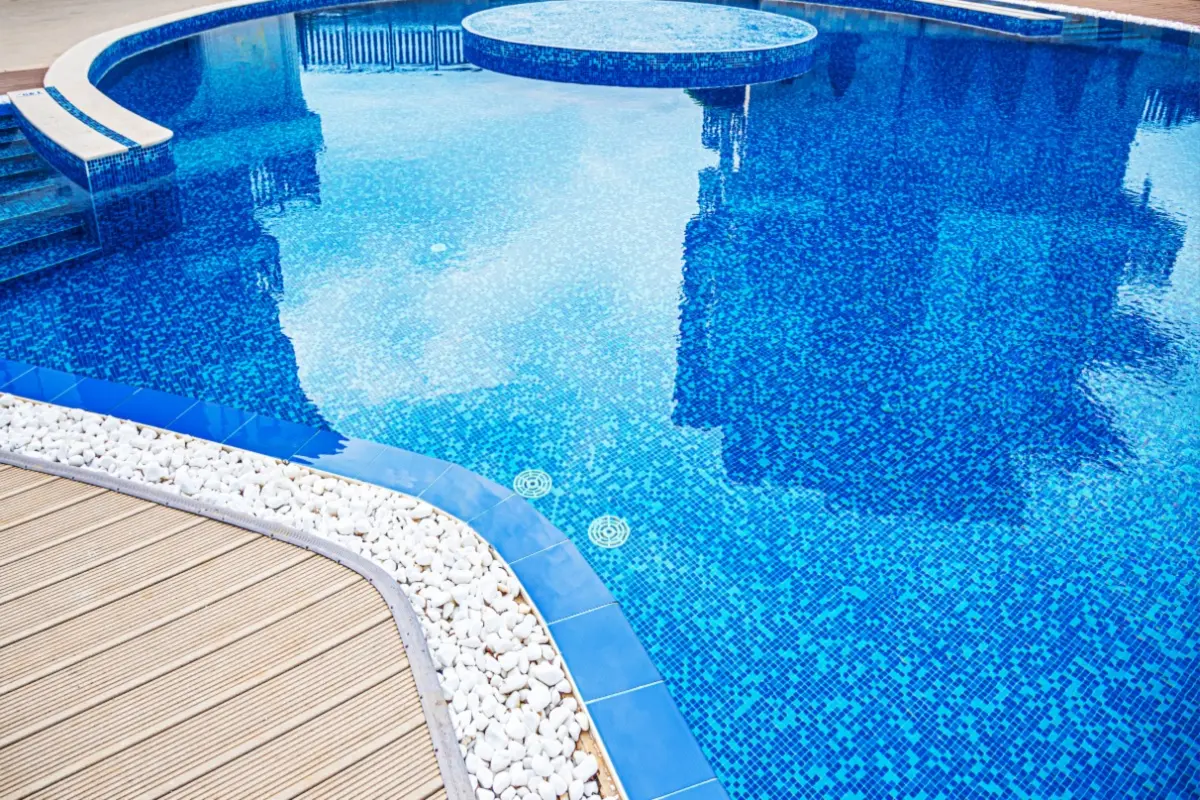
Pool renovation pricing depends on how much work the pool needs:
| Project Scope | Typical Cost Range | What It Usually Covers |
| Light refresh | $1,000–$8,000 | Cleaning, minor repairs, small tile fixes, lighting updates, or basic equipment work |
| Standard remodel | $7,500–$30,000 | Resurfacing, liner replacement, coping repairs, tile updates, or several repairs completed together |
| Major renovation | $30,000–$75,000 | Structural repair, plumbing reroutes, premium finishes, deck changes, or major equipment upgrades |
The same renovation can be simple on one pool and much harder on another. A contractor may be working with exposed above-ground parts, or they may need to open up an inground surface and reach buried lines.
| Pool Type | Typical Cost Range | Cost Notes |
| Above-ground pool | $500–$8,000 | Common work includes liner repair, wall fixes, fittings, steps, and basic equipment updates |
| Vinyl inground pool | $4,000–$20,000 | Costs often depend on liner condition, pool shape, stairs, coping, and wall repairs |
| Fiberglass inground pool | $5,000–$25,000 | May involve gelcoat repair, resurfacing, coating work, plumbing, or shell repairs |
| Concrete or gunite pool | $7,500–$60,000+ | Common work includes resurfacing, tile replacement, coping repairs, plumbing fixes, and shape or depth changes |
Size gives you a starting point for the budget, but the pool’s condition determines where the final quote lands. A smaller pool with repairs can still cost more than a larger pool that only needs a new finish.
| Pool Size | Approximate Remodel Cost Range |
| Small pool, under 300 square feet | $4,000–$18,000 |
| Medium pool, 300 to 500 square feet | $7,500–$30,000 |
| Large pool, 500 to 800 square feet | $12,000–$45,000 |
| Extra-large or custom pool, 800+ square feet | $20,000–$70,000+ |
Labor can be one of the hardest parts of a pool renovation to estimate because the work often changes once the pool is inspected closely. The contractor may need more time for prep, repair, or coordination than the first walkthrough suggests.
Rates also depend on the skill level required and the cost of labor in your area. A strong quote should make the scope of labor clear, including what is included now and what may be priced separately if hidden issues arise.
You should expect labor to make up about half of the quote.
The better choice usually depends on whether the existing pool is still worth building around.
If the pool still holds water and feels good to use, renovation is usually the more practical choice. A faded surface, dated tile line, or rough interior finish can often be updated for far less than the cost of starting over.
Old pool equipment can make the pool harder to run, but it does not usually mean the pool itself has failed. Replacing a pump, heater, filter, or lighting system is a smaller project that can be folded into a remodel.
A single leak, damaged step, or small section of worn surface may be repairable without rebuilding the pool. The key question is whether the issue is isolated or part of a larger pattern the contractor keeps finding.
A new pool may make more sense when the size, depth, shape, or placement is the main issue. Renovation can improve an existing pool, but it cannot always turn the wrong layout into the pool the homeowner wants.
If the pool shell is cracked, shifting, or failing in several places, rebuilding may be the more sound choice. At that point, repeated repairs can start to cost too much without giving the homeowner a reliable pool.
Some pool problems look like renovation issues before you know what is causing them. Staining, cloudy water, algae, and rough patches can come from poor water balance or organic buildup.
Before pricing a larger remodel, it may be worth removing black algae from a pool and checking how the surface looks after treatment. If dark spots, pitting, cracks, or rough areas remain, the problem may be related to the pool finish rather than the algae itself.
Water chemistry can also make a surface look worse over time. Checking how much chlorine to add to a swimming pool can help you rule out a sanitizer issue before you move toward resurfacing or a larger renovation.
You can lower your swimming pool renovation cost by controlling the scope and timing of the work:
Upgrading equipment increases your initial remodeling bill, but it reduces your monthly utility costs. For example, upgrading to a certified variable-speed pump can cut electricity consumption because the motor adjusts its speed to match the pool’s immediate needs rather than running at maximum power all day.
Additionally, installing a properly fitted pool cover heavily reduces heating costs by trapping heat and limiting water evaporation. While energy savings alone should not dictate your renovation, they sometimes help justify the upfront price of replacing old, inefficient hardware.
A simple pool remodel may take 1 to 2 weeks. A larger project with resurfacing, tile, coping, plumbing, or equipment upgrades can take 4 to 8 weeks. Weather and curing time can extend the schedule.
You may need a permit if the renovation affects the pool structure, utility connections, drainage, lighting, or safety barriers. A good step in choosing the best pool contractor is to check whether they understand all required approvals. However, ask upfront whether permit handling is included in the quote.
Renovating is usually cheaper than building a new pool, especially when the shell, plumbing, and layout still work. Rebuilding may be the better choice if repairs are approaching the cost of new construction, the structure has major damage, or the current size and shape no longer fit the yard.
Pool renovation is worth it when the shell is still in good condition, and the main problems are worn finishes, outdated equipment, leaks, or damaged tile. A fuller remodel may make sense when the pool needs several updates at once, especially if you want to change the look.
A pool renovation quote should read like an itemized project plan. It should show the work being priced, the materials being used, the labor assumptions, and how the contractor will handle damage found after the pool is drained. That last point helps prevent a low quote from turning into a surprise bill.
Usually, the pool is out of use once renovation starts. Draining, surface prep, equipment shutdowns, and curing time can make swimming unsafe until the contractor clears it. Ask for the refill date and the first safe swim date, as they may differ.