Adding a half bathroom costs about $5,000 to $10,000 when you convert existing space, or roughly $10,000 to $20,000 or more when you build an exterior extension. A half bathroom, also called a powder room, has a toilet and sink but no shower or bathtub.
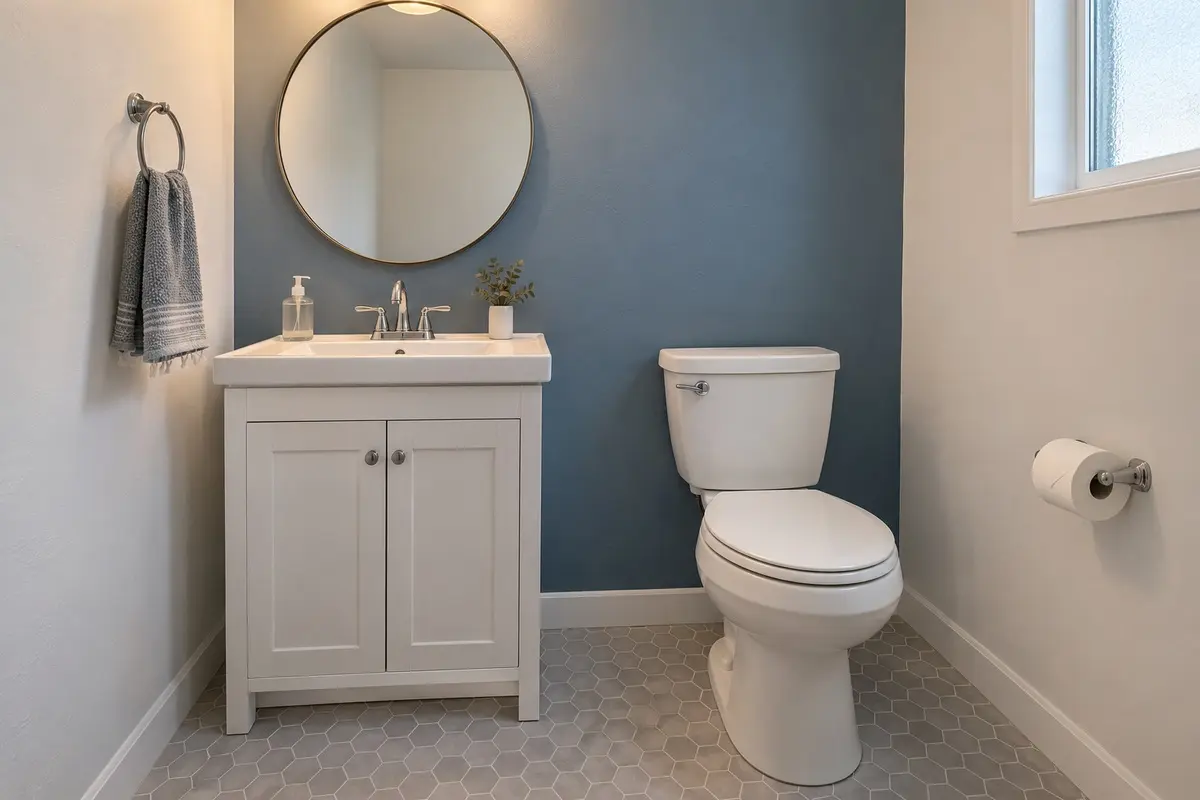
When the only bathroom is upstairs, having another one near the living room can make everyday life a little easier. But what will it cost? That depends on whether you’re turning an unused space into a bathroom or building a new room. The amount of plumbing work needed, your fixture choices, and local labor costs also play a role.
The most useful cost comparison is between creating a bathroom inside your home and adding new square footage. A half bathroom remodel is included below for context, but it does not cover creating a new room.
| Project Type | Planning Range | Scope Included |
|---|---|---|
| Convert existing space | $5,000–$10,000 | Compact interior room with standard toilet, sink, plumbing connections, wiring, and basic finishes |
| Build an exterior extension | $10,000–$20,000+ | Small half bath with foundation, walls, roof, utility connections, and interior finishes |
| Remodel an existing half bath | $2,000–$20,000+ | Cosmetic updates through major renovation; no new bathroom added |
These are planning ranges for professionally completed U.S. projects, not national-average quotes. Difficult drainage conditions, structural changes, and premium materials can increase costs.
An interior conversion creates a bathroom within your home’s current footprint. A walk-in closet, unused hallway area, or space beneath the stairs may work without a new foundation or roof.
A laundry area has another advantage: water supply lines may already be close. But the existing washing machine drain isn’t automatically suitable for a toilet. A basement may offer more floor space, but it may require cutting concrete or installing a special drainage system.
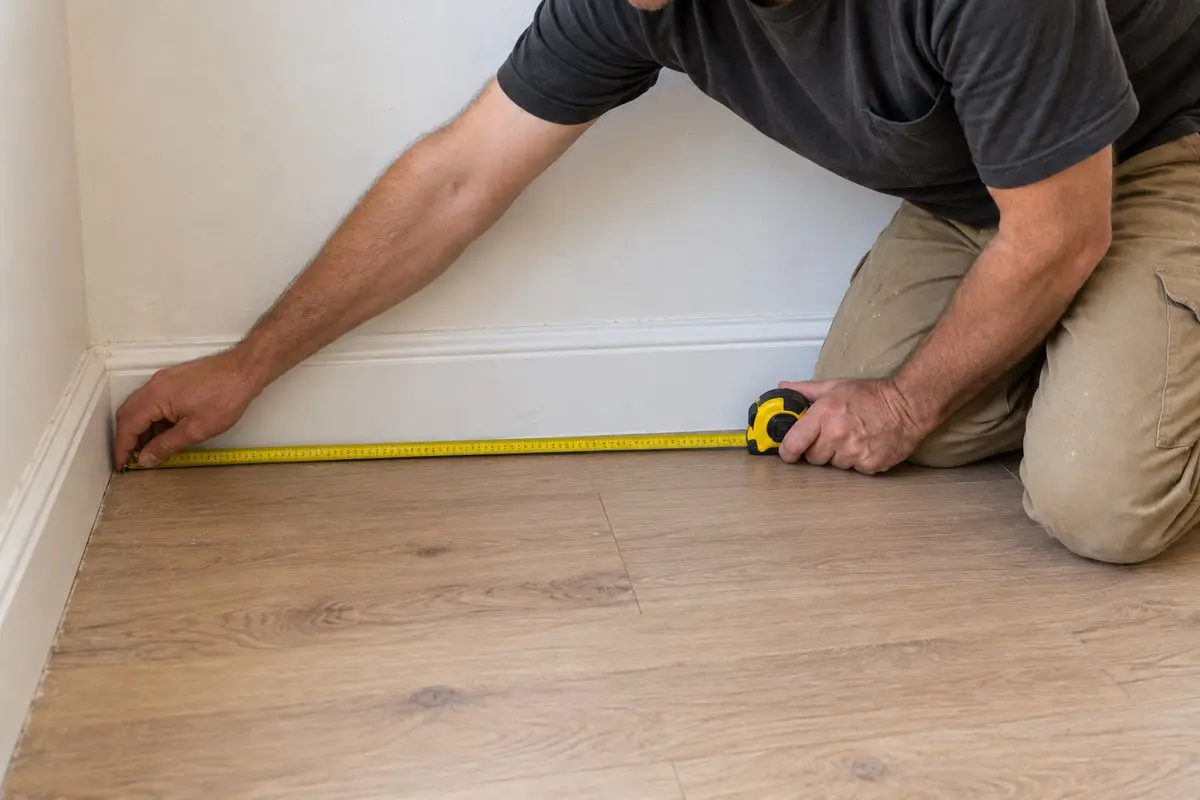
You might spend $5,000 to $10,000 converting an unused space into a half bath, especially if the plumbing is close and the room needs a few changes. More involved projects can cost considerably more. Before settling on a location, check the ceiling height, door clearance, ventilation, and access to pipes. A space isn’t always a good fit for a bathroom.
Adding a half bath outside your home’s existing walls means building a new room from scratch. Depending on the location, the work could involve digging a foundation, building exterior walls, adding insulation and siding, and extending the roof. The new bathroom also needs to connect to your home’s utilities.
With all the extra construction, the price can reach $10,000 to $20,000 or more, even for a small half bath. If the foundation is difficult to build, the roof needs major changes, or utility connections are complicated, expect the cost to rise further.
An extension can preserve valuable closet or hallway space. The tradeoff is more construction, a longer schedule, and possible limits from local property setback rules.
A half bathroom remodel changes a room that already has a toilet, sink, and plumbing. The cost of a half bathroom remodel depends on whether you refresh finishes or change the layout.
| Remodel Scope | Planning Range | Work Covered |
|---|---|---|
| Cosmetic refresh | $2,000–$5,500 | Paint, mirror, hardware, and small finish updates |
| Midrange remodel | $5,000–$10,000 | New standard fixtures, flooring, vanity, and finishes; layout stays put |
| Major remodel | $10,000–$20,000+ | Higher-end finishes or changes to walls, layout, or plumbing |
A powder room remodel can cost much more when you relocate the toilet. That’s why comparing a half bath remodel cost with a new installation price only makes sense when the scope of work is clear.
Fixtures are only part of a new half bath budget. The itemized prices below help you review a contractor’s estimate. Installed prices assume ordinary installation conditions and do not necessarily include running new pipes or building the room.
| Item | Material-Only Price | Installed Price or Budget Treatment |
|---|---|---|
| Toilet | $100–$500 for a standard two-piece unit | $200–$1,000, including toilet and routine installation |
| Sink and faucet | $50–$550 for the sink alone; faucet extra | $550–$1,800 for sink and faucet installation |
| Vanity with countertop | Depends on cabinet and included top | $400–$2,000 for a prefabricated vanity with a countertop; custom work costs more |
| Separate countertop | Depends on material and cutouts | Quote only if the vanity does not include a top |
| Flooring | Depends on material and floor area | $200–$800 for basic flooring in a compact room |
| Lighting | Depends on fixture | $100–$350 per installed light, assuming suitable wiring |
| Mirror | Depends on size and style | $100–$250 installed for a basic bathroom mirror |
| Wall finishes | Paint and supplies vary | $150–$400 to paint a small bathroom |
| Ventilation fan | Depends on model | $250–$900 installed |
| New wiring | Materials and labor vary | Electrician’s quote based on circuits, outlets, and access |
| Plumbing supply, drains, and venting | Materials and labor vary | Plumber’s quote based on pipe route and connections |
| Framing, drywall, and door | Materials and labor vary | Price as part of room construction |
| Permits, inspections, and finish repairs | Not applicable | Include if required; amounts vary by location and damage |
Don’t add every installed price to the overall conversion estimate. The total project range already accounts for typical fixtures and work. Likewise, a vanity may have an integrated sink and countertop, and installed fixture prices already include some labor. Ask which items are included rather than paying for them twice.
Installing new plumbing is a bigger job than replacing fixtures on existing pipes. Adding a toilet may mean opening the floor, installing drains, and adding venting. Through Renovate, you can request a connection with a plumbing professional who can assess the connections needed.
Where you put your new half bath can affect the price as much as its size. A small room beside existing plumbing may be fairly simple to build. Put that same room on the other side of the house, and the contractor may have much more work to do.
A small half bath can fit in 15 to 32 square feet, but you’ll need to consider more than just measurements. The toilet and sink should be comfortable to use, and the door needs enough room to open without hitting anything.
Take the space beneath a staircase. You might have 25 square feet to work with, but the sloping ceiling could leave too little headroom. Changing the doorway or moving a wall to make everything fit will also add to the bill. Have a contractor check the layout and local building requirements before buying any fixtures.
Having water pipes nearby helps, but it doesn’t necessarily mean plumbing will be cheap. The toilet needs a proper waste connection, and both the toilet and sink need suitable drainage and venting.
The work gets more expensive when pipes have to run through several rooms or the contractor needs to cut into concrete. Basements can bring another challenge. If the bathroom sits below the main sewer line, a pump or another approved drainage system may be needed. A plumber can help determine what will work and explain any maintenance involved.
You can keep a half bath fairly simple or spend more on the details. A standard ceramic toilet and ready-made vanity will usually cost less than custom cabinets, stone countertops, and decorative tile. Vinyl and ceramic flooring are both practical, easy-to-clean choices.
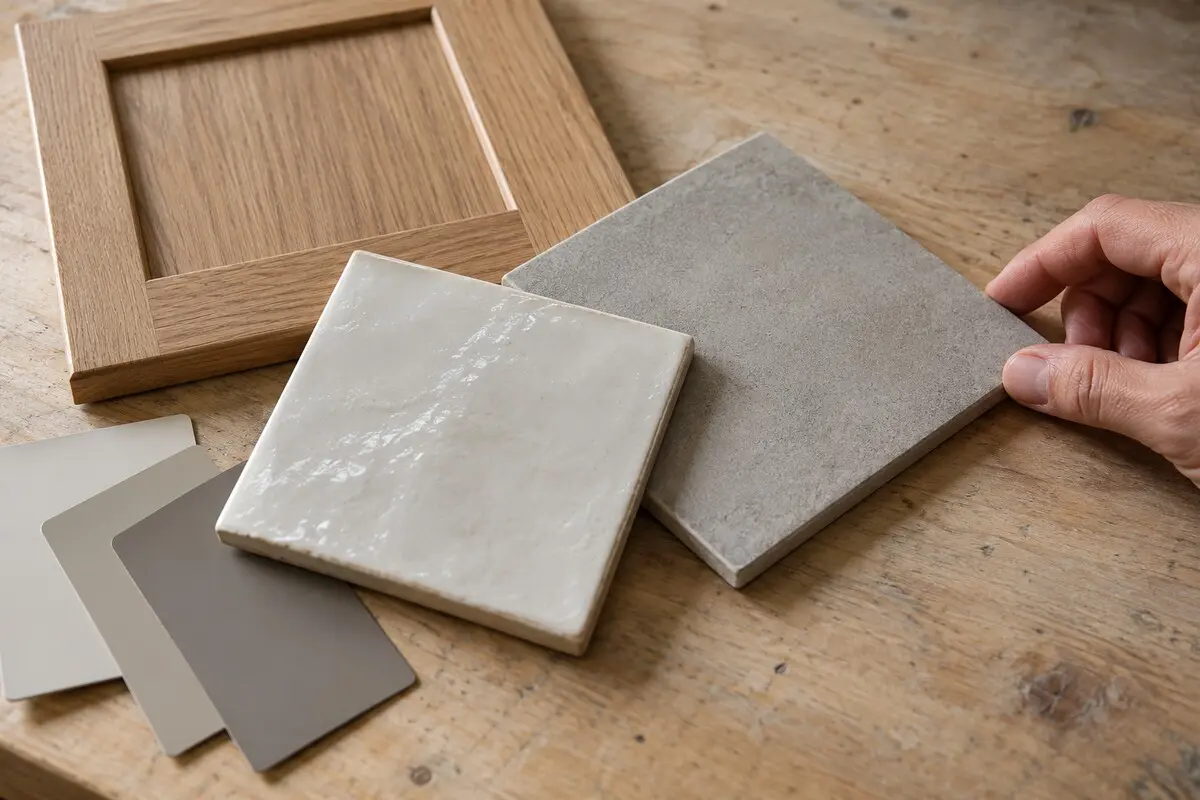
It’s also worth checking what’s included with the vanity. Some come with a sink and countertop, so you won’t need to buy those separately. Custom countertops offer more choice, although cutting and fitting them adds to the price. If water use is a concern, EPA WaterSense-labeled toilets use no more than 1.28 gallons per flush while meeting performance standards.
A plumber alone won’t be enough to build a new half bath. You may also need an electrician, carpenter, and someone to handle the flooring and walls. A general contractor can coordinate these workers and handle inspections.
Labor rates vary by location, and older homes can sometimes add unexpected costs. Once a wall is opened, workers may find damaged materials or wiring that needs to be replaced.
Permit requirements also differ from place to place. In Portland, for example, bathroom permitting guidelines require building and applicable trade permits when adding a bathroom. Check with your local building department to see what’s required.
Adding a half bath may increase your home’s value, especially if you currently have just one toilet. It’s also a convenient upgrade for your family, whether you plan to sell or stay.
Where you add it matters. A powder room near the living room or kitchen may appeal to buyers more than one tucked away in a rarely used part of the house. Still, how much value it adds depends on what buyers want in your area, and you shouldn’t expect to recover a set amount of what you spend.
If resale is your main concern, speak with a local real estate agent. They can help you compare homes with similar layouts and see whether an extra half bath makes a noticeable difference in selling prices.
First, save on construction scope, then look for less expensive finishes. A feasible interior location near existing water and drain lines may cost less than a new extension, even with a nicer vanity.
For an existing half bath remodel, keeping fixtures in place can reduce plumbing work. Repainting sound cabinetry or changing its hardware may also make more sense than replacing it. Don’t save money by skipping required inspections or proper drainage work.
Before settling on a budget, figure out where the bathroom will go and what you want to include. Once you know what’s possible in that space, you’ll have a better idea of how much to set aside.
Here’s an example of why the budget can change. Say you receive an $8,000 estimate to turn a closet into a half bath. After reviewing the layout, the contractor finds that the plumbing will need more work than expected and revises the estimate by $2,000. That’s now $10,000 ($8,000 + $2,000), before setting aside any money for surprises. These figures are hypothetical, not actual contractor rates.
If paying for everything upfront isn’t an option, you can explore bathroom remodeling financing through Renovate. Be sure to check the repayment terms and what you’ll pay in total. Renovate is not a lender, and financing is subject to approval.
Adding a new bathroom involves more work than replacing a toilet or sink, so look for a bathroom contractor who has handled similar projects. They’ll need to coordinate plumbing, electrical work, and construction to ensure everything comes together properly.
Before you hire them, check their insurance and any licenses required in your area. Ask to see examples of previous bathroom additions and speak with past customers. Also ask for a written estimate that shows what’s included, what’s excluded, who handles permits, and how long the work should take. Lastly, find out about warranties and how any extra costs will be handled.
Once you’ve settled on a location and have an idea of the work involved, you can submit a request through Renovate, and we’ll try to connect you with a contractor for your project.
Yes, a closet or the area under your stairs could work for a half bathroom. What matters is whether you can fit a toilet and sink without making the space too cramped. You’ll also need enough headroom, suitable plumbing connections, and ventilation. Have a contractor check the space and local building rules before moving ahead.
Plumbing can add hundreds or thousands of dollars, depending on the work involved. Simple fixtures installed on existing connections cost less than adding new waste, supply, and vent lines. Concrete cutting and below-grade drainage can raise the price further. A plumber can estimate the actual route and required connections.
A permit is often required when adding a half bathroom, especially when the project involves new plumbing, electrical, or structural work. Rules vary by the area, so check with your local building department. Your contractor can also explain which permits are needed and whether they’ll handle the applications and inspections.
A straightforward half-bath conversion may take a few weeks of construction, while an exterior addition can take several months. Planning, permits, material orders, and contractor availability can add time before work begins. Ask your contractor for a schedule that includes preparation, construction, and inspections.