For a roof surface measuring 2,000 square feet, a full replacement typically costs about $8,000 to $22,000.
A homeowner with a simple asphalt shingle roof might get quoted around $9,000. Another homeowner with a house that looks almost the same size could receive a quote closer to $20,000. That gap confuses a lot of people, especially when they start researching 2000 sq ft roof cost estimates online.
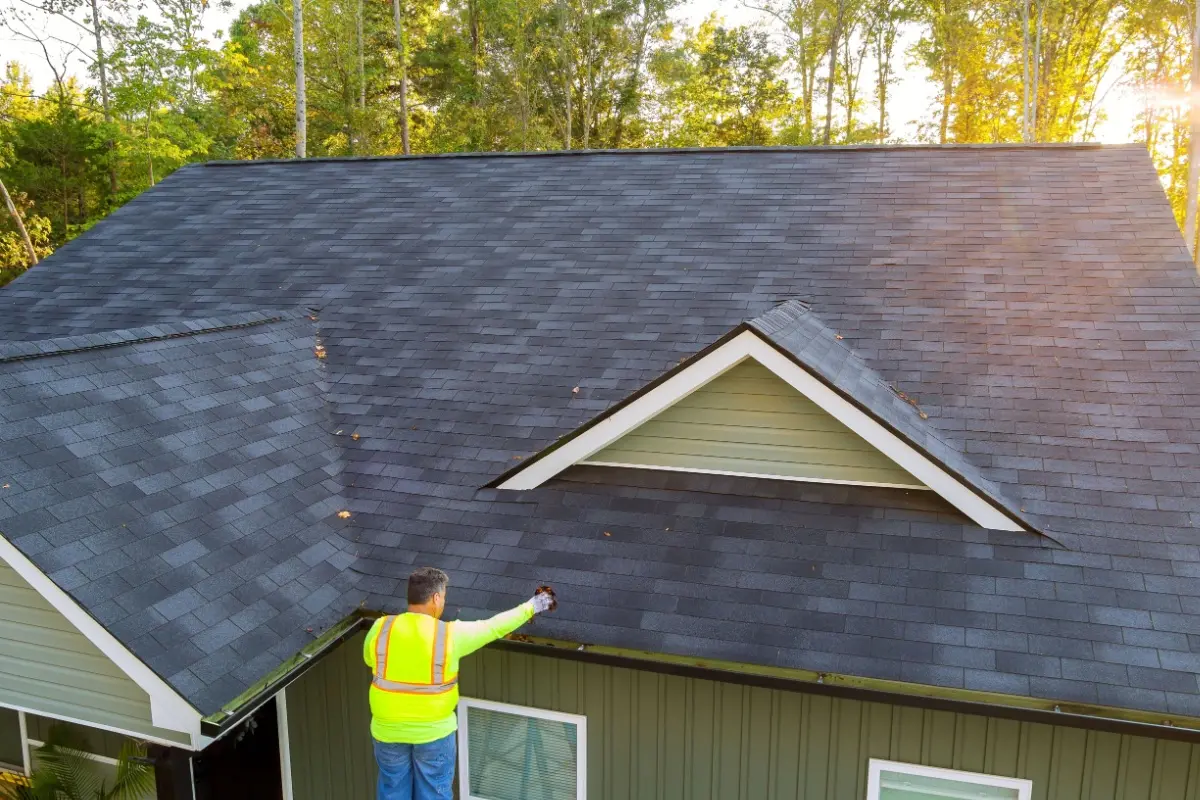
The reason usually comes down to one thing: roof size and roof complexity are not always what homeowners think they are.
If the roof itself measures around 2,000 square feet, a standard roof replacement typically costs $8,000 to $22,000. Asphalt shingles usually fall near the lower or middle end of that range, while premium materials like metal, tile, or slate can quickly raise the price.
A 2,000 sq ft house does not automatically have a 2,000 sq ft roof, though. A one-story ranch often has far more roof surface than a two-story home with the same living space. Roof pitch, overhangs, attached garages, dormers, and valleys all change the final number.
This guide explains how roofers calculate pricing, what affects the cost of a 2,000 sq ft new roof project, and how homeowners can compare estimates without getting overwhelmed.
If the measured roof surface is 2,000 sq ft, many standard replacements cost about $8,000 to $22,000. If the house is 2,000 sq ft, the roof may be smaller or larger, so the range is only a starting point until the roof is measured.
That range often includes:
A simple roof with fewer valleys and a lower pitch usually lands near the lower end. A steep roof with skylights, chimneys, multiple roof layers, or hidden water damage can cost much more.
Here is a rough budgeting guide:
| Roof Area | Typical Cost Range |
| 1,500 sq ft roof | $6,000 to $16,500 |
| 2,000 sq ft roof | $8,000 to $22,000 |
| 2,500 sq ft roof | $10,000 to $27,500 |
| 3,000 sq ft roof | $12,000 to $33,000 |
Most roofing estimates across the country fall around $4 to $11 per square foot installed. Roofers usually measure projects in “squares,” with one roofing square equaling 100 square feet.
This is where many homeowners get confused.
Roofers price the roof surface itself, not the interior square footage listed in a real estate description.
A one-story 2,000 sq ft home spreads the living space over a larger footprint, which usually results in a larger roof. A two-story home stacks part of the living space vertically, allowing the roof to be much smaller.
Here is how that changes roof size:
| Home Layout | Why It Changes Roof Area | Rough Roof Area Range |
| 2,000 sq ft one-story ranch | A larger footprint creates more roof surface | 2,200 to 2,800+ sq ft |
| 2,000 sq ft two-story home | Smaller footprint under the same living area | 1,100 to 1,600+ sq ft |
| 2,000 sq ft home with attached garage | Garage adds roof area | Add 300 to 800+ sq ft |
| Steep or complex roof | Pitch and valleys increase surface area | Add 10% to 25%+ |
Roof pitch changes the math, too.
A steep roof contains more surface area than a flatter roof covering the same footprint. Dormers, porches, overhangs, and skylights also increase labor and material costs.
A rough formula looks like this:
Estimated roof area = home footprint + overhangs + pitch adjustment
Still, contractor measurements and satellite reports are much more accurate than estimates based solely on home size.
Roofers usually calculate projects in roofing squares.
According to GAF, one roofing square equals 100 square feet of roof surface.
That means:
Here is how pricing breaks down:
| Roof Area | Roofing Squares | Cost at $4/sq ft | Cost at $7/sq ft | Cost at $11/sq ft |
| 1,500 sq ft | 15 squares | $6,000 | $10,500 | $16,500 |
| 2,000 sq ft | 20 squares | $8,000 | $14,000 | $22,000 |
| 2,500 sq ft | 25 squares | $10,000 | $17,500 | $27,500 |
| 3,000 sq ft | 30 squares | $12,000 | $21,000 | $33,000 |
For many homeowners, $7 per square foot works as a decent middle ground for early budgeting.
Still, local labor costs, roofing materials, roof access, and code requirements can drive quotes up or down.
Roofing material can quickly change the cost of your 2000 sq ft roof.
Some homeowners focus on keeping costs lower. Others care more about durability, appearance, or lifespan.
| Roofing Material | Typical Installed Cost for 2,000 Sq Ft Roof | Best For | Watch-Out |
| Asphalt shingles | $8,000 to $17,000 | Budget-focused homeowners | Shorter lifespan |
| Architectural shingles | $9,000 to $18,000 | Better appearance and durability | Installation quality matters |
| Metal roofing | $14,000 to $38,000 | Long-term durability | Standing seam systems cost more |
| Cedar shake | $12,000 to $25,000 | Natural appearance | More maintenance |
| Clay or concrete tile | $20,000 to $40,000+ | Hot climates | Heavy roof weight |
| Slate | $30,000 to $60,000+ | Historic or luxury homes | Specialist installation |
| Flat or low-slope membrane | $8,000 to $26,000 | Flat roof sections | Drainage details matter |
Homeowners comparing shingle roof cost projects often choose architectural shingles as a middle ground between price and durability.
Homes with low-slope sections may require separate flat-roof replacement cost calculations, since membrane systems operate differently from shingle roofs.
Two homes with similar square footage can still receive very different roofing estimates.
Here are the biggest reasons why.
A simple gable roof costs less to install than a steep roof with dormers, skylights, valleys, and multiple roof sections.
More cuts create more labor, more flashing work, and more material waste.
| Roof Type | Cost Impact | Why |
| Simple gable roof | Lower | Fewer cuts and valleys |
| Hip roof | Moderate | More ridge and slope work |
| Steep roof | Higher | Slower installation and extra safety setup |
| Roof with skylights or chimneys | Higher | More flashing details |
| Flat or low-slope roof | Material dependent | Requires membrane systems |
Removing one old roof layer costs less than removing two.
Extra layers increase labor, dumpster weight, disposal fees, and cleanup time.
Some areas allow roofing over an existing layer if the underlying surface remains structurally sound. Most contractors still prefer full tear-offs so they can inspect the decking underneath.
Water damage sometimes stays hidden beneath old shingles for years.
That is why some estimates include allowances for decking replacement.
Ask contractors how replacement gets priced and whether they provide photos before replacing large sections.
Roof leaks usually happen around chimneys, skylights, vents, sidewalls, and valleys rather than across the middle of the shingles.
Proper flashing work matters a lot.
Some homeowners researching repairs compare replacement pricing with estimates for roof sealing. Sealing can help with smaller issues, though it will not fix a roof that has already reached the end of its lifespan.
Roof systems include much more than shingles.
Estimates often include:
The U.S. Department of Energy explains that good ventilation helps control moisture and attic heat. Poor airflow can contribute to mold, trapped moisture, and damaged wood over time.
Roofing prices vary heavily between cities and regions.
Local labor costs, permit requirements, roof accessibility, weather conditions, and disposal fees all affect pricing.
| Cost Factor | Why It Matters | Quote Question to Ask |
| Labor | A major part of the project cost | Is labor a fixed price? |
| Permits | Required in many areas | Who handles permits? |
| Disposal | Old shingles are heavy | Is cleanup included? |
| Access | Tight lots slow work | Any staging fees? |
| Location | Labor and code rules vary | Is pricing local? |
Homeowner’s insurance may help pay for a roof replacement after covered events such as hail, wind, fire, or falling trees.
Age-related wear and neglect are treated differently.
Coverage usually depends on your deductible, policy language, and whether the policy uses ACV or RCV coverage.
The Insurance Information Institute explains that Replacement Cost Value covers the cost of replacement without subtracting depreciation. Actual Cash Value accounts for depreciation in the payout.
A strong roofing estimate should clearly explain what is included.
Look for:
If you are researching how long it takes to replace a roof, most residential projects take anywhere from 1 to several days, depending on roof size, weather, and complexity.
The best way to save money is to carefully compare detailed estimates rather than choosing the lowest number at first glance.
If the roof itself measures around 2,000 square feet, a budget of roughly $8,000 to $22,000 is typical for standard roof replacement cost estimates for average homes.
If the house measures 2,000 square feet, get the roof measured before assuming the price.
One-story layouts, attached garages, steep slopes, complex rooflines, and premium materials can quickly increase costs.
If one quote lands far lower than others, review what may be missing.
If one quote seems unusually high, look for premium materials, steep pitch, multiple roof layers, flashing work, decking repairs, or high local labor costs.
A roof for a 2,000 sq ft house often costs $8,000 to $22,000 for standard replacements, but the exact amount depends on the roof area, not just the living space. A one-story home usually has more roof surface than a two-story home with the same square footage.
No. A 2,000 sq ft house refers to interior living space, while a 2,000 sq ft roof refers to the surface area being replaced. Roof size changes based on the home’s footprint, number of stories, pitch, overhangs, garage, porches, dormers, and roof shape.
A 2,000 sq ft roof equals 20 roofing squares. Roofers use “squares” because one square equals 100 square feet of roof surface. If a contractor says your roof is 24 squares, that means the measured roof area is about 2,400 square feet.
A 2,000 sq ft asphalt shingle roof commonly costs around $8,000 to $17,000, depending on shingle type, labor rates, tear-off, pitch, roof complexity, and repairs. Architectural shingles usually cost more than basic three-tab shingles but often offer better durability and curb appeal.
Large quote differences usually come from scope differences. One estimate may include tear-off, disposal, permits, flashing, ventilation, underlayment, and decking allowance, while another may not. Compare line items, not just the final price, and ask each contractor to explain what is included.
Homeowner’s insurance may cover roof replacement if a covered event, such as wind, hail, fire, or a fallen tree, causes the damage. It usually does not cover replacement simply because the roof is old or worn out. Coverage also depends on deductible, exclusions, and ACV vs. RCV terms.
Yes, many homeowners finance roof replacement when the work cannot wait, or they want to preserve cash. Options may include contractor financing, personal loans, home equity products, or roof-specific financing. Compare interest rates, monthly payments, fees, repayment terms, and whether the contractor offers financing.