A renovation that stalls halfway through can throw off the whole house. Maybe the cabinets never showed up, part of the roof is still covered with a temporary tarp, or the crew said they would be back last week and have not returned.
If you’re trying to work out what to do if your contractor doesn’t finish the job, start with the basics. Check whether anything has been left unsafe or open to the weather, then pull together your contract, invoices, receipts, and messages. Take photos of the unfinished work as well. After that, write to the contractor to ask when the crew will return and when the remaining work will be completed.
A contractor running behind does not always mean that the project has been abandoned. The crew might be waiting for materials, dealing with permit delays, or catching up after bad weather. Before deciding what to do, check your contract and your state’s rules, since both will affect the options available to you.
Work through the following steps in order. These early actions can help protect the property, preserve evidence, and keep your options open.
Deal with any immediate hazards first. This may include an open trench, exposed wiring, a roof covered with a temporary tarp before a storm, or a property that anyone can enter.
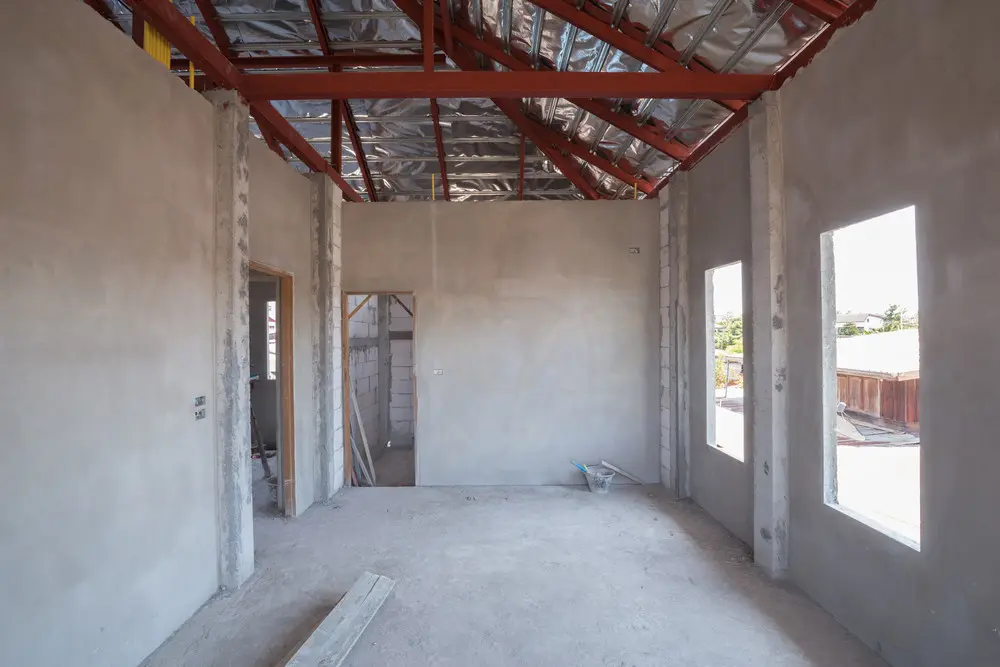
Contact a qualified professional or your local building department when needed. Damage that occurs after the crew stops showing up can create a separate dispute over who should have prevented it.
Start with the paperwork you already have. That includes the signed contract, change orders, receipts, permit documents, and inspection notes.
Look at what was promised, what has been finished, and what you have already paid. You may also find details on delays, written notices, and how to handle disputes.
Take photos and videos before another contractor touches the site. Once repairs or replacement work begin, it becomes much harder to show what was left unfinished.
Keep the rest of the paper trail as well. Save emails, text messages, invoices, and payment confirmations. If the contractor uses an app, take screenshots in case your access is removed later.
Try to move the conversation away from phone calls. Send a short message asking what is causing the delay, what work remains, when the crew will return, and when the project is likely to be finished.
Check the contract first. It may require you to send notice in a certain way or give the contractor a set amount of time to respond.
A calm message is more likely to get a useful reply. Consider something like this:
“Hi [Name],
I’m checking in about the [project] at [address]. As of [date], the following items are still unfinished: [short list].
Can you please let me know what is causing the delay, when the crew will return, and the new expected finish date? I’d appreciate a reply by [date] so I can plan around the work.
Thanks,
[Your name]”
For now, the aim is to get clear answers and keep a written record. There is no need to make the message sound like a legal warning.
Abandonment may have a specific legal meaning under a contract or state law. The warning signs below can help you recognize when a delay is becoming more serious, but they do not establish that the contractor has legally abandoned the project.
| Looks Like a Temporary Delay | Warning Signs Worth Taking Seriously |
| The contractor answers calls and messages | Long stretch of silence with no meaningful contact |
| You’ve been given a specific reason for the holdup | Return dates missed over and over with no explanation |
| The contractor can show that permits, inspections, materials, or subcontractors are still being coordinated. | Written requests go unanswered, or permits, inspections, subcontractor payments, or material orders appear unresolved. |
| Revised dates get met, and interim promises get kept | Tools, equipment, or materials are removed without an explanation or plan to return. |
| The contractor gives a clear plan for the remaining work | The contractor says outright that the work won’t be finished |
Some delays are outside the contractor’s control. Permits can take longer than expected, inspectors may reschedule, bad weather can stop outdoor work, and materials sometimes arrive late or damaged.
Other problems only show up once the work begins. Opening a wall may reveal rot, old wiring, plumbing damage, or a structural issue that was impossible to price in advance.
Project-management issues can also contribute, including overlapping schedules, subcontractor availability, unexpected business disruptions, or difficulties coordinating labor and materials.
Approved scope changes can also extend the schedule, while overbooking, cash-flow problems, or weak project management may prevent the contractor from keeping the original timeline.
Homeowners can also hold up a project without realizing it. A late product choice, an unanswered approval request, or a missed progress payment can stop the next stage from moving forward. Before deciding what to do when a contractor doesn’t finish the job on schedule, check whether the contractor is still waiting on a selection, approval, payment, or access from you.
Locate these provisions before you make any decisions:
Some of this may be set by statute rather than by your contractor. For example, California generally requires a written contract for home-improvement work over $500, along with a payment schedule and written change orders signed before the changed work is performed.
Before firing the contractor, restricting access to the site, withholding a disputed payment, or bringing in another contractor, review the notice, opportunity-to-cure, termination, and payment provisions. When substantial money, property damage, or lien exposure is involved, consider getting professional advice before taking those steps.
There’s no national deadline. The answer comes from your contract, scope, approved changes, on-site conditions, and your state’s law.
Weather, material availability, permits, inspections, hidden conditions, and approved change orders can legitimately extend a schedule. The effect may be minor or substantial, depending on the project. Repeated unexplained delays, missed commitments, and a lack of visible progress may justify moving from informal communication to formal written notice under the contract.
Deciding what to do when a contractor doesn’t finish the job depends partly on whether they’re still communicating with you. Start with small steps, and then escalate the situation if the issue remains unresolved.
If the contractor remains responsive, a written recovery plan may be the least disruptive resolution. Record the remaining scope, return date, revised milestones, payment triggers, and new completion date in a signed change order or contract amendment. This gives both sides a clearer record if the revised schedule changes again.
If the contractor has not responded to your previous calls, emails, or messages, check the contract and follow its notice requirements carefully. Explain what remains unfinished, refer to the relevant contract terms, and request a response by the date required by the agreement or by another appropriate date if the contract does not specify one. Keep a copy of the notice and proof that it was delivered.
Some home improvement contracts require mediation or arbitration before a lawsuit can be filed. Mediation is often quicker and less expensive than going to court, and the involvement of a neutral third party may help both sides reach an agreement.
Arbitration is more formal and may result in a binding decision, depending on the agreement and applicable rules.
Available complaint processes vary by state, trade, and locality. Check whether the contractor is overseen by a state licensing agency, local registration office, building department, attorney general, or consumer-protection agency. A complaint may support an investigation or disciplinary action, but it may not resolve an individual payment dispute or provide reimbursement.
Some states offer recovery funds to homeowners who lose money due to a licensed contractor. Arizona, Florida, Minnesota, Nevada, and North Carolina are among them.
These programs usually have strict eligibility rules. A homeowner may need a judgment or another qualifying formal determination, along with evidence that other recovery options were pursued, before filing a claim. Check the specific program’s rules before assuming that reimbursement is available.
Caps and deadlines vary by state, and no program guarantees full reimbursement. Receiving an award may also transfer or limit certain recovery rights, so review the program’s terms before accepting payment. A bond claim, a lender or escrow intervention, a credit card dispute, or a small claims filing may also be worth exploring.
Sometimes hiring another contractor is the only practical way to finish the project, but do not assume that missed dates, silence, or a long absence automatically mean the original contractor has abandoned the job or that the contract has ended. Before moving ahead, follow the agreement’s notice, opportunity-to-cure, and termination requirements and make sure the original contractor’s right to return has been resolved. If that is unclear or disputed (or significant money, lien, or permit issues are involved), consult a construction attorney before a new crew changes the work.
Before a replacement contractor changes anything:
Emergency stabilization is different. If waiting would allow additional property damage or leave a genuine hazard, protect the property, limit the work to what is necessary when practical, and document what was done and why.
Once you are clear to proceed, take the replacement hire at least as seriously as the first, using the same steps you’d use to vet a replacement contractor. Once you have a written cost to complete in hand, you know the size of the gap and can look at ways to finance the remaining renovation work against a real number.
Incomplete work, defective work, and a disagreement over expectations are different problems and may call for different responses. Identify the issue before deciding how to proceed.
Compare the work with the written scope and plans, approved product specifications, change orders, permit and inspection requirements, manufacturer installation instructions, and any written punch list or independent inspection report. A departure from those documents may affect performance, code compliance, or warranty coverage, depending on the circumstances.
When appropriate or required by the contract, give the contractor a documented opportunity to inspect or correct the work. Have code, structural, or safety concerns evaluated promptly by a qualified professional or the local building department.
Legal action is a serious escalation because it costs time and money and may end the working relationship. Before filing a claim, review any mediation or arbitration requirements and determine whether a licensing agency, consumer-protection office, building department, or other complaint process applies. A conversation with a construction attorney may make sense when:
Available remedies, filing deadlines, and recoverable losses depend on the contract and applicable state law. An attorney can help evaluate the available options but cannot guarantee recovery.
Contractor selection and contract management are two of the strongest protections a homeowner has, and although neither is glamorous, both happen before anything goes wrong.
A step-by-step renovation checklist can also help homeowners organize contractor selection, project documentation, approvals, payments, and the final walkthrough.
Sometimes, through a negotiated refund, the return of unused contract funds, damages based on the documented cost to complete or repair the project, a bond claim, a state recovery fund, or a court judgment. Available options depend on the contract, documentation, and state law. Recovery is not guaranteed, and collecting a judgment is a separate step.
Ask for an update in writing and request a revised schedule with clear dates and concrete milestones for the remaining work. If you agree to a revised timeline, put it in writing. Should the contractor miss those dates too, follow the notice steps in your contract and keep copies of every message.
Delay-related costs or liquidated damages generally need support in the contract or applicable law. Do not invoice the contractor or deduct money from a payment on your own. Review any delay clause, document the added costs, and obtain appropriate advice before claiming damages or withholding a disputed amount.
A payment may not be due if the contract ties it to a milestone that has not been reached. That is different from withholding a payment that is otherwise required or already earned. Review the payment schedule and applicable lien rules, and get professional advice before withholding or deducting a disputed amount.
Document the current condition, payments, communications, permits, and stored materials. Review the contract’s notice, cure, and termination provisions, then provide any required written notice. Consider an independent inspection and cost-to-complete estimate, and get professional advice about lien, access, payment, and permit issues before ending the agreement.
Your rights depend on the contract, warranties, applicable building requirements, and state law. Document the defects, compare the work with the written scope and approved specifications, and obtain an inspection when needed. Give the contractor an appropriate opportunity to inspect or correct the work before escalating the dispute.
Preserve the contract, project timeline, payment records, dated photos, permit status, and written communications. Record missed return dates, periods of inactivity, unanswered notices, removed equipment, and any statement that the contractor will not return. Because abandonment may have a specific legal meaning, ask a qualified professional how the evidence applies.
A missing contract does not leave you without evidence. Estimates, invoices, payment records, messages, permits, and photos may show what was promised, what you paid, and what remains unfinished. Use them in a written notice asking whether the contractor will return. If the answer remains unclear, consult a construction attorney before treating the arrangement as ended or hiring someone else.