The average pool pump replacement cost is about $900 to $2,500 for a professionally installed replacement. A simple like-for-like swap may cost closer to $700 to $1,000, while a high-end variable-speed pump with plumbing, electrical, or automation work can reach $4,000 or more.
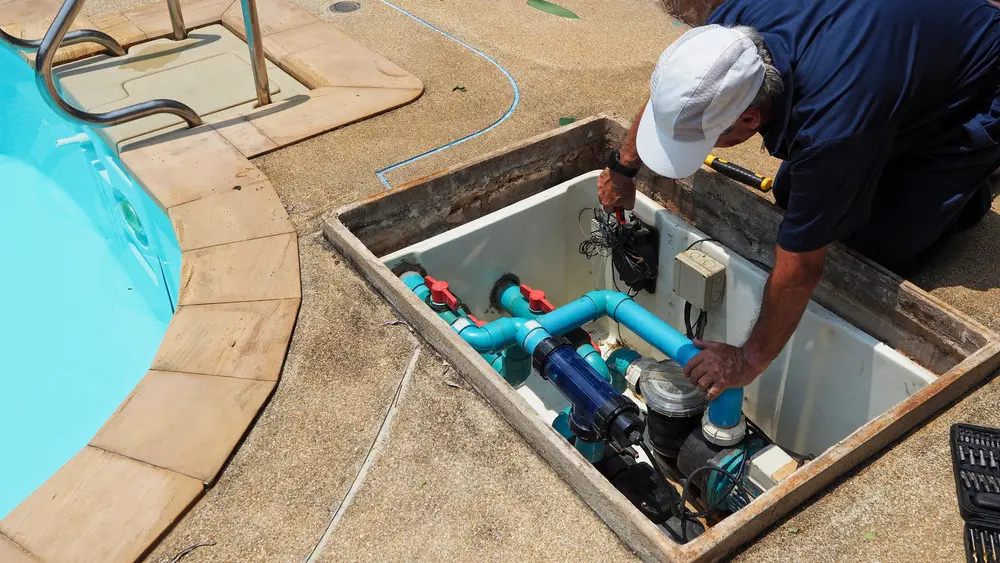
The pump itself is only part of the price. Labor, motor size, voltage, plumbing connections, controls, and compatibility with the existing filter and equipment pad can all affect the final quote. In some cases, replacing the motor or repairing worn bearings may be enough to get the system running again. In others, replacing the entire pump is the better long-term investment.
A pool pump replacement project can range from a straightforward equipment swap to a larger upgrade involving plumbing or electrical modifications.
| Cost Category | Typical Cost |
| Pump equipment only | $300–$2,500+ |
| Basic installation labor | $200–$600 |
| Plumbing, electrical or control updates, when needed | Several hundred dollars–$1,000+ |
| Typical professionally installed replacement | $900–$2,500 |
| Broad installed range for simple to complex projects | $700–$4,000+ |
These ranges combine national cost-guide estimates, common retail pump pricing, and typical professional installation assumptions. Your quote may fall outside these ranges if the project involves a specialty pump, automation, difficult access, code-related electrical work, or major plumbing changes.
Not every pump problem requires a complete replacement.
A noisy motor, worn bearing, or failing booster pump can be a different project entirely.
| Project Scope | Typical Cost |
| Bearing repair or replacement | $150–$350 |
| Motor replacement | $200–$700 |
| Booster pump replacement | $500–$1,200 |
| Full pump replacement | $900–$2,500 typical; $700–$4,000+ broad range |
A full replacement involves removing the existing pump and installing a new unit. This option is common when:
The motor is the component that powers the pump. If the housing, pump body, and plumbing connections remain in good condition, replacing the motor can sometimes restore performance at a lower cost than replacing the entire pump. Ask whether a motor-only repair preserves the warranty and whether current efficiency or electrical requirements affect the quote.
If your pool pump is making a grinding, screeching, or whining sound, the bearings may be the problem. In some cases, replacing the bearings is enough to quiet the pump and get it working properly again. The decision often depends on the pump’s age and the condition of the remaining components.
A booster pump is not the same as the main circulation pump. It is a separate auxiliary pump, most often used for a pressure-side pool cleaner or certain specialty equipment. Waterfalls, fountains and deck jets may use a separate feature pump or require a primary-pump sizing review, depending on the pool’s plumbing and flow requirements.
Federal efficiency standards have changed the replacement market for pool pumps. These rules do not require you to replace a working pump, but they do affect which new pumps can be manufactured for sale.
That matters because it may stop you from simply replacing the pump you have right now with a like-for-like model, as you may need to upgrade to the current efficiency standard.
The standards are based on how efficiently a pump moves water, and many older single-speed designs do not meet those requirements in common in-ground pool sizes.
That does not mean every single-speed pump has disappeared. Some smaller, above-ground booster or specialty pumps may still be available when they meet the applicable efficiency rules.
Here’s how much the different pump types typically cost:
| Pump Type | Typical Installed Cost |
| Single-speed, where compliant and available | $500–$1,500 |
| Dual-speed | $700–$2,000 |
| Variable-speed | $1,000–$3,000+ |
Let’s look at how these different types of pumps differ from each other.
Single-speed pumps operate at one constant speed. They have traditionally been the least expensive option upfront, but they are no longer the default replacement choice for many pool systems. Because federal efficiency standards limit which new pumps can be manufactured for sale, a single-speed replacement may not be available for every pool.
Dual-speed pumps provide both a high-speed and a low-speed operating mode. They use less energy than single-speed pumps and can offer lower operating costs over time.
Variable-speed pumps allow the motor speed to adjust based on the pool’s needs. Their benefits include:
The purchase price is higher, though homeowners often recover part of that cost through lower utility bills over time.
Several factors influence the final price.
The correct pump size depends on the pool volume, plumbing layout, filter requirements, water features, and the desired turnover rate.
A pump that is too small may struggle to circulate water effectively. One that is too large can waste energy and place unnecessary strain on the system.
Equipment pricing varies between manufacturers. Higher-priced models may offer longer warranties, better efficiency ratings, more advanced controls, and easier access to replacement parts.
The lowest-cost option is not always the least expensive over the life of the equipment.
In-ground pools usually need larger pumps than above-ground pools. They may also have more complex circulation systems, especially when the pool includes an attached spa, water features, and longer plumbing runs. These details can raise both equipment and installation costs.
Above-ground pools typically use smaller systems and are often less expensive to service.
Labor costs can change based on local rates, the setup of the pool equipment, and how easy it is for the contractor to access the pump area.
A direct replacement may only require a few hours of work. A project involving plumbing modifications and electrical upgrades may take considerably longer.
Waterfalls, fountains, deck jets, and attached spas place additional demands on the circulation system. Some pools require larger pumps or separate equipment to support these features.
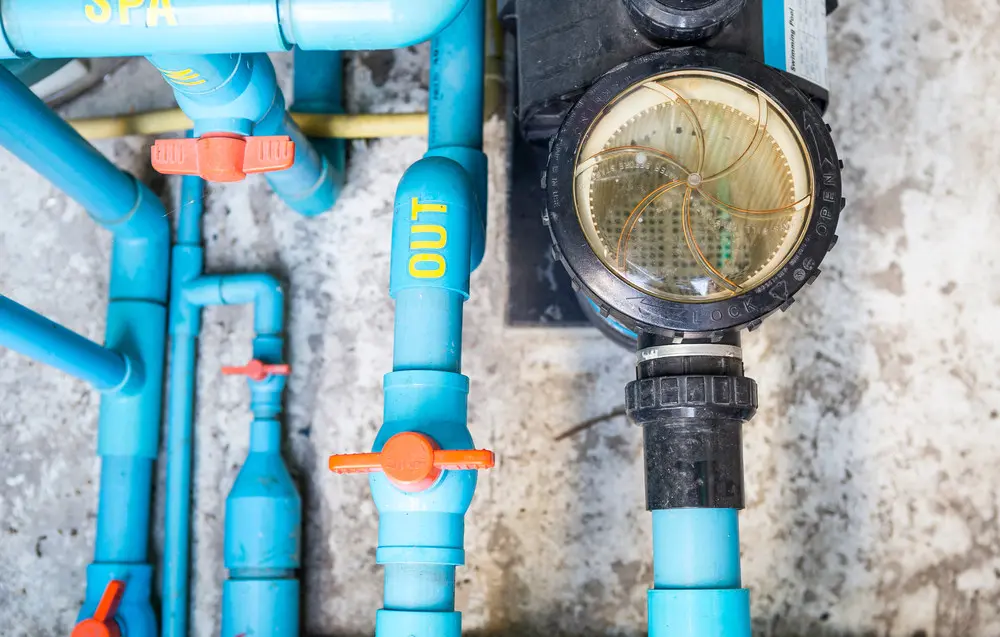
When replacing a pump, contractors often evaluate whether the existing system still meets the pool’s current needs.
Replacing a pump can sometimes reveal compatibility issues elsewhere in the equipment area. Depending on the system, the project may also involve:
Replacing the pump does not automatically mean the filter needs to be replaced. If the filter remains in good condition and is properly sized, it may continue operating with a new pump without issue.
The decision often comes down to age, repair history, and the type of failure. A motor problem does not always mean the entire pump needs to be replaced. At the same time, continuing to repair an older pump can become more expensive than installing a new unit.
The following guide can help frame the decision. As a rule of thumb, repair is easier to justify when the pump is newer, and the repair costs much less than a replacement; full replacement often makes more sense when the repair approaches half the cost of a new pump.
| Situation | Repair May Make Sense | Replacement May Make Sense |
| Pump age | Under 5 years | 8–10 years or older |
| Repair history | First major issue | Multiple past repairs |
| Parts availability | Easy to source | Difficult to find |
| Energy efficiency | Modern model | Older inefficient model |
| Repair cost | Less than half of the replacement cost | About half or more of the replacement cost |
| Warranty coverage | Still under warranty | Warranty expired |
A relatively new pump with a failed motor may be a good repair candidate.
A pump that has already had several repairs, struggles to maintain flow, or consumes excessive electricity is often a stronger replacement candidate.
Homeowners sometimes focus only on the immediate repair bill. Long-term operating costs matter too. A newer variable-speed pump may cost more upfront but reduce electricity consumption for years.
Pool equipment is not cheap, but there are ways to keep costs under control without sacrificing performance.
Prices can vary considerably between contractors. Requesting several estimates provides a better sense of local pricing and can highlight unusually high proposals.
Bigger is not always better. A properly sized pump can circulate water efficiently without unnecessarily increasing equipment costs or utility bills.
Some projects require plumbing or electrical changes. Others do not. Request a clear explanation of any recommended upgrades, so you understand which items are required and which are optional.
Pump warranties vary by manufacturer and installer. A longer warranty may justify a higher purchase price, particularly for homeowners planning to stay in the property for several years.
A pump that is struggling to circulate water properly can affect overall pool performance. Poor circulation may contribute to water-quality problems, increased chemical use, excess strain on equipment, and more difficult algae control.
If pump replacement is part of a larger pool project, Renovate can help you start a swimming pool financing request and may connect you with participating contractors.
Pool pumps connect to several parts of the circulation system. Proper installation involves more than swapping one piece of equipment for another. A qualified pool contractor can help with:
Professional installation can reduce the risk of performance issues that stem from an incorrectly sized or improperly connected pump.
Getting your pool pumping again will likely be well worth the price. Just be warned that you may need more than a simple pump swap. Often, pool owners need plumbing or electrical updates, automation work, or other changes that can add to that final price tag.
A pool pump usually lasts about eight to 12 years. Pumps that run every day, handle large pools, or sit in harsh weather may wear out faster. Good water balance, regular cleaning, and quick repairs can help the pump last closer to the higher end of that range.
Your pump may be near the end if it gets louder, loses water flow, shuts off often, leaks near the base, or needs repairs again and again. One problem may be fixable. A pattern of issues usually means it is time to compare repair and replacement costs.
A simple pump replacement may only take a few hours once the contractor has the right equipment on hand. It can take longer if the plumbing needs changes, the electrical setup is outdated, or the new pump has to connect to timers or automation controls.
In most pools, it is safe to run the pump while swimming when the equipment is properly installed, bonded, grounded, and GFCI-protected. The pump helps circulate and filter water during use. Turn the system off and call a professional if you notice electrical problems, tripped breakers, suction issues, or unusual equipment noise.
A contractor typically inspects the existing pump, confirms the correct size and voltage, removes the old unit, adjusts plumbing or wiring if needed, installs the new pump, checks for leaks, primes the system and tests flow. For variable-speed pumps, the installer may also program initial speed settings and confirm timer or automation compatibility.