How long does a bathroom remodel take? Allow about three to six calendar weeks if you’re replacing the bathroom but leaving everything in the same place. Painting and swapping a few fixtures is a much smaller job. If you move the toilet, change the shower layout, or order custom fittings, the work could take longer. That’s before you count the time spent finding a contractor, getting permits, or waiting for materials.
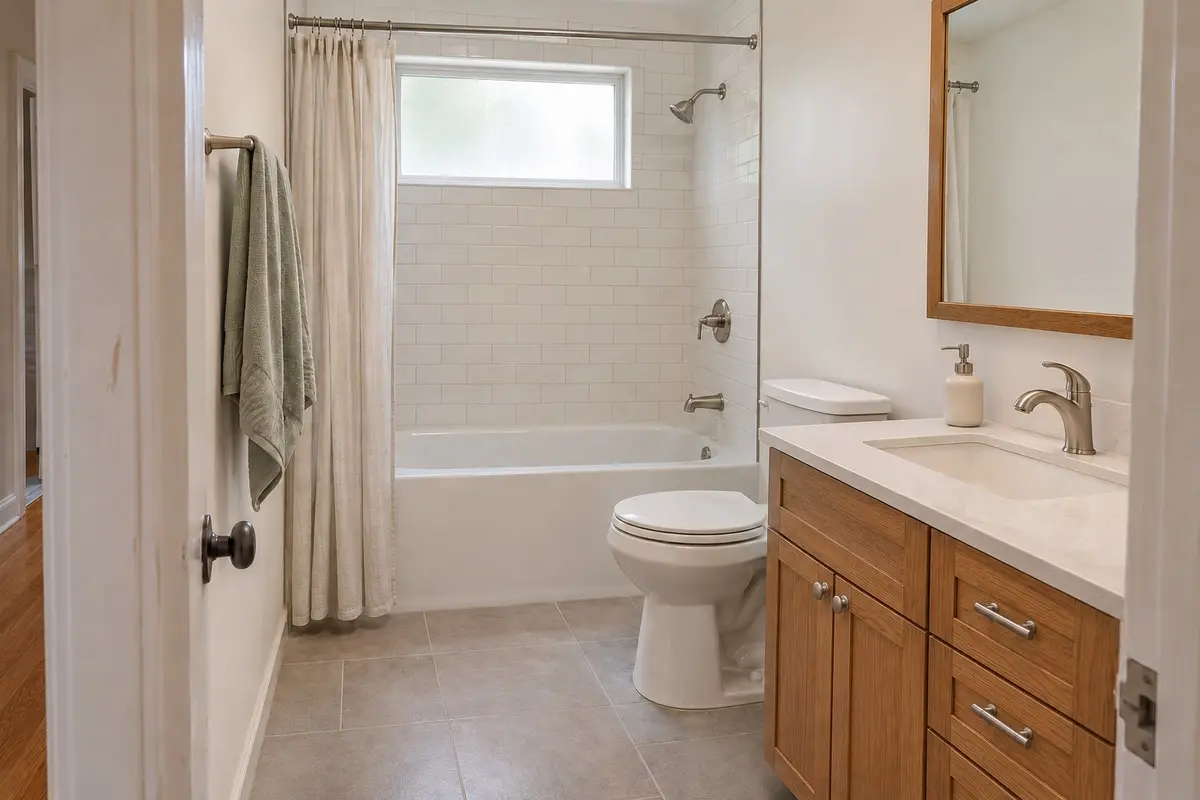
And those weeks won’t all be busy. Fifteen days of actual work can stretch into four weeks when inspections and other delays get in the way.
The work you’re planning affects the timeline more than the bathroom’s size. These estimates come from contractor schedules and may vary by project.
| Project Scope | Typical On-Site Duration | What Can Extend the Schedule |
| Cosmetic refresh: paint, accessories, limited fixture changes | A few days to 2 weeks | Surface repairs, flooring, delayed fixtures |
| Replacement remodel: new fixtures and finishes, same layout | 3 to 6 calendar weeks | Tile, waterproofing, inspections, hidden repairs |
| Layout or plumbing changes: moving fixtures or altering walls | 4 to 10 calendar weeks | Drain relocation, structural work, extra approvals |
| Custom remodel: specialty tile, cabinetry, or complex features | 6 to 10 weeks or longer | Fabrication, specialized trades, custom glass |
These categories can overlap: a same-layout bathroom may still include custom finishes.
Working days count only the days crews are on the job. Calendar weeks also cover weekends and time spent waiting for the next step. Different trades may come and go, so don’t expect someone to be working in your bathroom every day.
Even a small bathroom may need the same trades and inspections as a larger one.
Advertised one-day tub or shower installations generally cover a limited replacement system. They aren’t the same as remodeling an entire bathroom.
A bathroom remodel is a chain of dependent tasks. Workers can’t close a wall before the required work behind it is checked, or install tile before the surface and waterproofing system are ready.
| Stage | Main Work | What Must Happen Before the Next Stage |
| Planning and approvals | Finalize design, choose materials, arrange permits | Decisions and necessary approvals are ready |
| Demolition | Remove existing finishes and fixtures | Inspect exposed surfaces and identify repairs |
| Repairs and rough-in | Fix damage; update plumbing, wiring, and ventilation | Complete applicable inspections |
| Waterproofing and tile | Prepare wet areas, waterproof, test where required, install tile | Follow product instructions and required waiting periods |
| Fixtures and completion | Install toilet, sink, shower fittings, trim; clean and inspect | Confirm safe use and complete walkthrough |
Try to make all your major decisions before anyone starts tearing out the old bathroom. That includes where everything will go, which fixtures you’re buying, and the materials you want. Even changing your shower valve after the plumber has finished the rough-in could mean opening up the wall again.
You’ll also need to sort out permits. Ask your contractor which ones apply to your remodel, who’s handling the paperwork, and how long approval might take. The rules depend on where you live and what you’re changing. For example, Portland’s bathroom remodeling guidance covers permits for certain plumbing, electrical, and structural changes.
Then there’s the question of whether your materials will actually be ready. Your vanity might be ordered but still sitting at the factory. Some tiles could be missing from a delivery, and custom shower glass may need to be measured after the tile is installed. Find out when each item will be available, especially if the next stage depends on it.
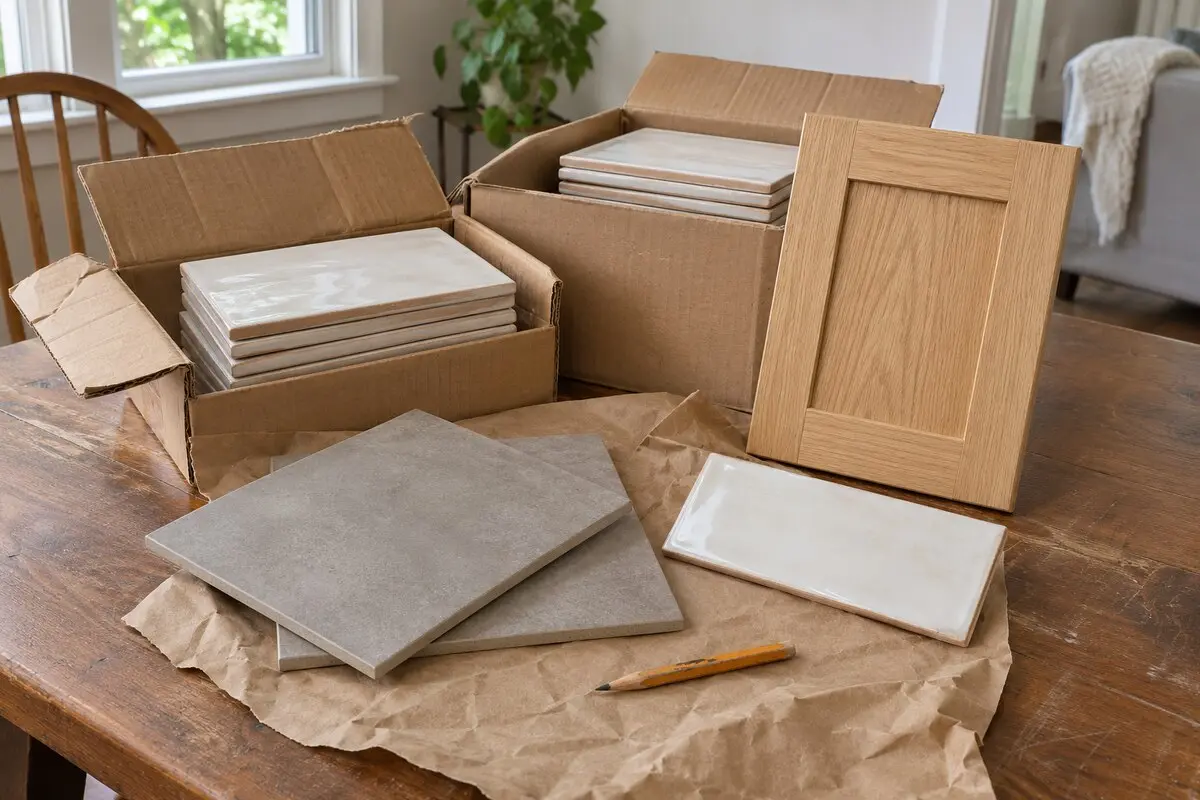
Even with everything picked out and approved, your contractor may have other jobs lined up. Check when the crew can start before planning around a specific date.
Demolition removes existing fixtures and finishes, revealing previously hidden conditions. A damaged subfloor or leaking pipe can require repairs before rebuilding. These aren’t necessarily avoidable delays.
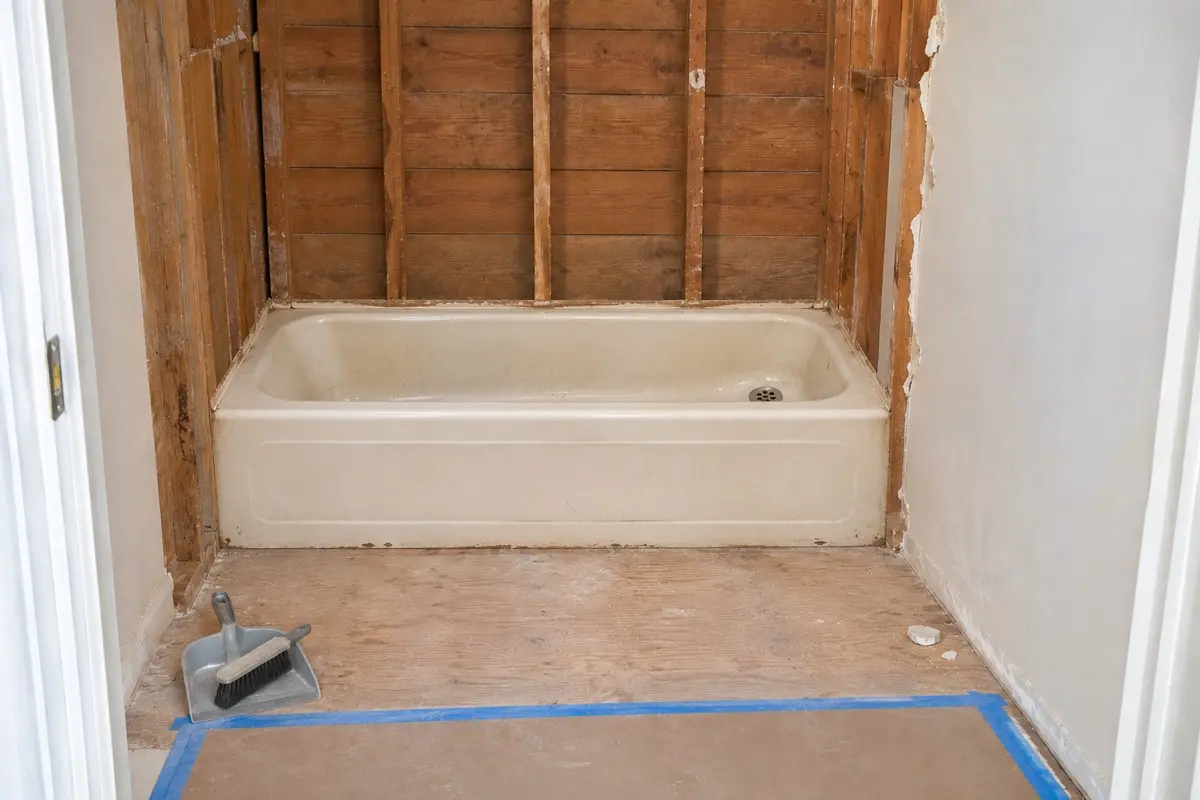
Next comes rough-in work: the plumbing, electrical, ventilation, and framing that will sit behind finished surfaces. Moving a shower drain can involve more extensive bathroom plumbing work than replacing a shower in the same position.
Where inspections are required, the contractor may need approval before closing walls. That creates a scheduling gap even when the physical work is complete. Ask who books inspections and how the project will proceed if an appointment isn’t available right away.
Wet areas need appropriate surface preparation and waterproofing before tile goes on. Some systems also require testing or inspection. Installation conditions and manufacturer instructions determine when work can continue.
For example, LATICRETE’s waterproofing guidance specifies different flood-testing wait times for different products. A contractor shouldn’t apply one universal curing period to every shower.
After the required preparation and waits, crews install tile, grout, paint, cabinetry, and fixtures in the proper order. A finished-looking shower may not be ready to use.
Assume a bathroom gets a new tiled shower, vanity, toilet, flooring, and lighting, without relocating fixtures. Main materials are available, permits are in place, and no major hidden damage appears.
| Week | Likely Progress |
| Week 1 | Protect the home, demolish, inspect exposed conditions, complete rough-in work |
| Week 2 | Complete required rough-in inspections, surface preparation, and waterproofing |
| Week 3 | Complete required testing and tile work, including waiting periods |
| Week 4 | Install fixtures and finishes, complete any required final inspections, check operation, clean, and walk through |
The example covers four calendar weeks, but that doesn’t mean crews will be working every day. Some tasks, such as painting outside the shower area and preparing cabinetry, may overlap if space and site conditions allow. Others, such as installing tile after waterproofing and any required testing, must happen in sequence. Repairs, inspections, delays, or custom shower glass could push the finish date back.
Delays usually fall into five groups. Knowing which ones can be managed before demolition helps you ask more useful questions.
| Cause | Practical Response |
| Missing or damaged materials | Confirm delivery dates and inspect important items before demolition |
| Permits or inspections | Identify responsibilities and likely approval checkpoints |
| Hidden water damage or outdated systems | Agree on how discoveries, repairs, and costs will be reviewed |
| Trade scheduling | Ask when the plumber, electrician, and tile crew are expected |
| Changes after work starts | Finalize choices early and request written change orders |
An ordered-late shower valve suggests a planning issue. A damaged subfloor found after demolition may require unavoidable additional work.
Permit processing times also vary locally. Ask what is already approved, what is pending, and which activities must stop while waiting.
A bathroom remodel can lose time between jobs, even when the actual work is going smoothly. The goal is to avoid these gaps without rushing work that needs time to be done properly.
Before demolition starts, work through these details with your contractor:
Keeping the toilet and shower in their current locations usually means less plumbing work. Choosing in-stock materials can also help, but neither eliminates the need for inspections, waterproofing, or drying time.
Talk through the possible delays with your contractor and agree on some breathing room in the schedule. How much you’ll need depends on the work involved and the materials you’ve chosen.
Your bathroom could be out of service for much of construction, even if individual fixtures become available before final completion. A working toilet, for example, doesn’t mean the shower is safe to use.
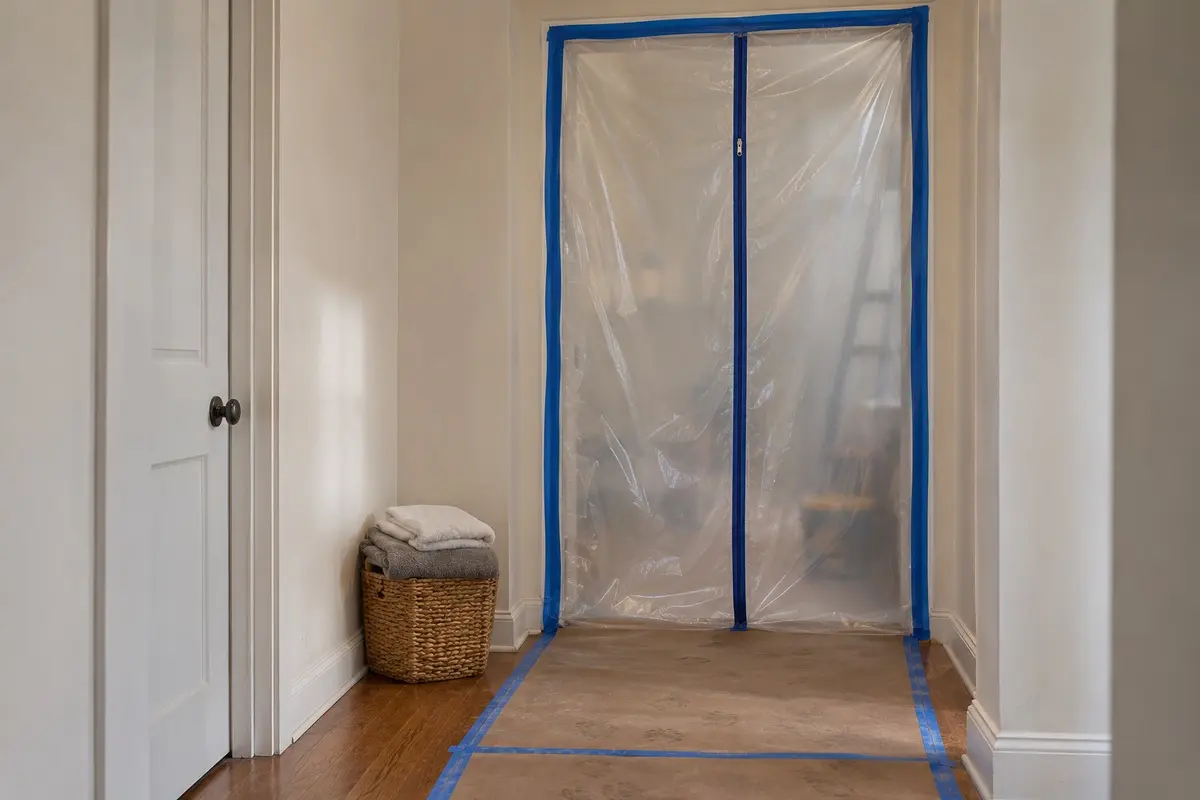
If your home has just one bathroom, you’ll need to know exactly when each fixture will be out of action. Go through these questions with your contractor:
Don’t assume the toilet can be reinstalled at the end of each day. Some plumbing and flooring work makes that impractical.
For a one-bathroom home, plan another place to bathe and use a toilet before demolition. Depending on household needs, that could mean temporary facilities, arrangements with nearby family, or short-term accommodation.
Ask for separate dates for when each fixture is expected to become usable, along with the overall construction completion date. These milestones can help you plan your daily routine.
When choosing a bathroom remodeling contractor, ask how they plan to organize the work, not just when they expect to finish. Before you hire anyone, make sure their schedule covers:
Ask your contractor, “If one part of the job takes longer than expected, what happens to the rest?” Their answer can tell you whether the timeline makes sense. You can also submit your bathroom remodeling request through Renovate. If you’re connected with a contractor, you can go over the work and discuss how long it might take.
You can, but only if the work is fairly limited. Painting, swapping out accessories, or installing a ready-made bath system might fit into one week. Once you’re tearing out old fixtures, updating plumbing, waterproofing, and laying tile, expect the remodel to take several weeks.
For minor updates, a few days to two weeks may be enough. A complete remodel usually takes three to six calendar weeks, even in a small bathroom. The plumber, electrician, and tile installer still have their jobs to do. Moving pipes or finding water damage can push the finish date back.
Probably not if you have another bathroom you can use. Living through construction gets harder when it’s your only one, especially with the toilet and shower out of service. Ask your contractor about water shutoffs, dust, and when each fixture will be back in service before deciding whether to stay elsewhere.
Give yourself several weeks or months to find a contractor and get everything ready. Some contractors are booked well ahead, and permits or special-order materials can add to the wait. Before setting a start date, check which materials need ordering and when the contractor can actually begin work.