Tile roof replacement usually costs about $8 to $30 per square foot installed, or about $800 to $3,000 per roofing square. Many full-tile roof replacements cost between $15,000 and $70,000, depending on roof size, tile material, roof complexity, underlayment, labor, tear-off, decking repairs, and whether structural reinforcement is needed.
Replacing a tile roof is a significant investment because you’re not just paying for the visible tiles. The full system includes underlayment, flashing, and decking — and every layer has to be installed correctly for the roof to protect the home long term.
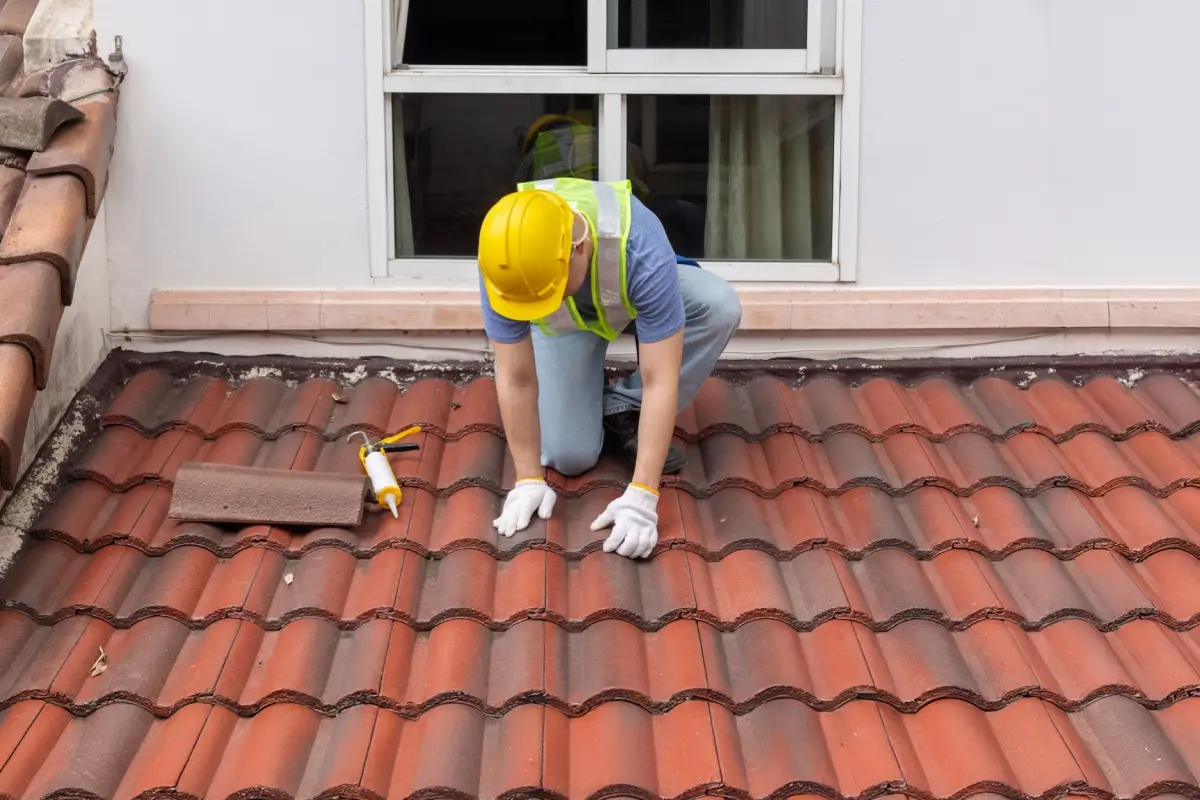
This guide covers average costs, material options, underlayment pricing, what drives quotes up, and when repair may make more sense than full replacement. For a broader context on roofing costs, see our guide to roof replacement costs.
Tile replacement costs more than asphalt shingles because the materials are heavier and the installation demands more from the crew. The project’s ultimate cost depends on roof size, tile material, pitch, and what is found underneath once the old roof comes off.
| Metric | Typical Range | What It Means |
| Cost per square foot installed | $8–$30+ | Total cost, including labor and materials |
| Cost per roofing square | $800–$3,000 | Per 100 square feet of coverage |
| Smaller tile roof | $10,000–$30,000 | Small roof area, simple shape, common concrete or basic tile |
| Mid-size full replacement | $15,000–$70,000+ | Common planning range for many full tile roof replacements |
| Larger or complex tile roof | $35,000–$90,000+ | Larger roof area, steep pitch, valleys, chimneys, skylights, or difficult access |
| Premium or specialty tile | $60,000–$100,000+ | Imported clay, handmade tile, specialty profiles, custom colors, or major complexity |
A full tile roof replacement typically includes the tear-off and disposal of the old roofing, installation of underlayment, flashing work, and the tile itself. Labor accounts for a significant share of the total because tile installation is slower and more demanding than asphalt shingles.
The main factors that affect the final price are roof square footage, tile material and profile, roof pitch and complexity, underlayment type, tear-off and disposal costs, any decking repairs found during the project, whether structural reinforcement is needed, local labor rates, and permit requirements.
| Tile Material | Material-Only Cost Per Square Foot | Installed Cost Per Square Foot | Common Use | Notes |
| Concrete | $2–$5 | $8–$19 | Budget-friendly and versatile | Heaviest option, requires sturdy framing |
| Clay | $3–$12 | $10–$25 | Spanish, Mediterranean homes | Very durable, fragile if walked on incorrectly |
| Terracotta | $5–$13 | $10–$26 | Historic homes with a rustic aesthetic | High cost, long-lasting, skilled installation required |
| Composite or Synthetic | $4–$12 | $8–$18 | Lightweight tile alternative | Mimics clay or slate, lower structural demand |
Concrete tile is one of the more accessible tile options for homeowners who want the look of tile without the higher cost of clay. It comes in a wide range of colors and profiles, including styles that mimic wood shake or slate.
Concrete is heavy and requires proper structural support, so a framing evaluation may be warranted depending on what the existing roof was made of.
Clay tile is the traditional choice for Spanish- and Mediterranean-style homes. It costs more than concrete in both materials and labor, requires skilled installation, and can crack if walked on incorrectly. Clay can last over 100 years when properly installed, though not every product is suited to freezing climates.
Terracotta is a clay-based material known for its distinctive reddish-orange appearance and long lifespan. It sits at the higher end of the clay cost range, and getting the most out of it depends heavily on installation quality, particularly how the flashing and underlayment are handled.
Composite and synthetic tiles have gained traction as a lighter alternative to concrete or clay. They can mimic the look of clay, slate, or shake without the structural demands of heavier materials, making them a practical option for homes that cannot easily support traditional tile.
Product quality, warranty terms, and contractor familiarity vary significantly by market, so it’s worth confirming that local installers have experience with the specific product before committing.
Roof square footage is not the same as home square footage. Pitch, overhangs, attached garages, porches, and roof shape can make the roof area larger than the home’s floor plan.
Roofers typically price tile work by the square, where one square equals 100 square feet of roofing area.
A simple formula for estimating:
Estimated cost = roof square footage x installed cost per square foot + tear-off and disposal + decking or structural repairs + permits + contingency
| Roof Size(in square feet) | Installed Cost | Best Fit For |
| 1,000 | $8,000–$30,000+ | Small or simple tile roof |
| 1,500 | $12,000–$45,000+ | Smaller single-family home |
| 2,000 | $16,000–$60,000+ | Average-sized tile roof |
| 2,500 | $20,000–$75,000+ | Larger home |
| 3,000 | $24,000–$90,000+ | Large or complex roof |
Note: These are planning ranges based on roof area, not home square footage. Structural reinforcement, major decking repairs, unusual access, premium tile, or high-cost labor markets can push the final quote above these ranges.
The tile profile you choose affects how long the installation takes and how much flashing and cutting are involved. A flat interlocking tile on a simple roof is a different job than a barrel tile on a steep Mediterranean roofline, and the price reflects that.
| Tile Style | Cost Level | What Homeowners Should Know |
| Interlocking tile | Lower to midrange | Tiles lock together more efficiently, which can reduce labor time. |
| Flat tile | Midrange | Clean profile; installation details vary by product and slope. |
| Spanish or S-profile | Midrange to high | Popular curved profile; cost depends on material and roof complexity. |
| Mission or barrel tile | Higher | Labor-intensive; common on Mediterranean and historic homes. |
| French or Double Roman | Midrange to high | More pronounced profile; adds labor depending on cuts and detailing |
| Specialty or custom tile | Highest | Imported, handmade, or custom shapes raise both material and labor costs |
Tile roof underlayment replacement materials often cost about $3 to $6 per square foot for a lift-and-relay project, or roughly $6,000 to $12,000 for a 2,000-square-foot tile roof.
Costs can be lower when underlayment is installed as part of a full replacement on an exposed roof deck, but standalone tile underlayment replacement is labor-intensive because crews may need to remove, stack, and reinstall the existing tiles.
Some tiles may break during the process, so the quote should include a replacement-tile allowance.
Felt is the traditional option and carries a lower upfront material cost, typically $0.05 to $0.60 per square foot for materials. It is still used in some tile systems, but in hot climates, it can degrade faster than modern alternatives.
Synthetic underlayment costs a bit more than felt, around $0.10 to $0.70 per square foot, and tends to hold up better across a wider range of weather conditions. Product compatibility, fastening requirements, and local code all affect which synthetic option is appropriate for a given project.
Self-adhered underlayment provides the strongest waterproofing and is often used in vulnerable areas such as valleys and penetrations, or across the entire deck in certain climates.
Material costs range from $0.50 to $1.20 per square foot, and installation is more demanding than with felt or standard synthetic. Whether it is required depends on the specific project and local requirements.
There’s even more that can affect the cost than what we’ve already talked about. Let’s break down some of the remaining factors.
A steep roof changes the pace of the entire job. Crews move more carefully, safety setups take longer, and features like chimneys, skylights, and dormers each add cutting work that a simple roofline does not require. Two-story homes add to that further because moving heavy materials up safely takes more time.
Clay and concrete tile weigh considerably more than asphalt shingles. For homeowners switching from shingles to tile, the existing framing may need to be evaluated before work begins. Any reinforcement or decking upgrades come on top of the tile installation cost.
Damaged decking is rarely visible until the old materials come off, and when soft or rotten sheathing is found mid-project, it adds cost that could not have been priced upfront. Heavy tile also costs more to remove and haul away than asphalt shingles, which is why tear-off should be its own line item.
Certain climates and jurisdictions require specific products or fastening systems before a permit is issued. Requirements vary enough by location that it is worth confirming before signing anything.
Tile arrives on pallets and requires space to be staged on-site. Clay, terracotta, and custom profiles can have significant lead times, and matching discontinued products for a partial replacement can be difficult. Settling on tile selection early avoids delays and surprise costs.
Not every tile roof problem requires a full replacement, and not every roof with intact-looking tiles is in good shape. The underlayment can fail while the tiles above it still look fine.
| Situation | Likely Option | Why |
| A few broken tiles | Tile repair | Isolated damage may not affect the rest of the system |
| Leak around a chimney, vent, or valley | Flashing or targeted repair | The leak source may be a detail, not the whole roof |
| Aging underlayment, tiles mostly intact | Underlayment replacement, lift, and relay | Existing tiles may be reusable if in good condition |
| Widespread leaks or repeated repairs | Full replacement | The roof system may be failing beyond isolated damage |
| Switching from shingles to tile | New tile installation with structural review | Home may need framing or deck evaluation first |
Pro Tip: The cheapest tile is not always the best way to save on a tile roof. Cheap quotes become expensive when they don’t include underlayment, flashing, structural, or cleanup details.
A tile roof can be a real investment, but so is the return when the home is suited for it, and the installation is handled by someone who knows what they’re doing. The key is to figure out whether tile makes sense for your roof, climate, and budget before committing to the project. And if you’re unsure, you can always consult a contractor before moving forward.
Decking repairs and structural reinforcement are the two that catch most homeowners off guard, since neither is visible until the old roof comes off. Tile breakage during removal, permit fees, and delivery costs are also common additions. An itemized quote makes it easier to see what is included.
Yes, replacing a tile roof can be worth the cost if your home is a good fit for it. Tile lasts a long time, withstands heat well, and can enhance curb appeal. But it is not the most practical choice for every home, especially if the roof needs extra structural support.
Replacing a tile roof is difficult because the tiles can crack easily, and the waterproofing layers beneath must be installed correctly to prevent leaks. A small repair may be manageable with the right experience, but a qualified tile roofing contractor is best suited to handle a full replacement.
Crews handle heavy, breakable material carefully and work more slowly on steep or complex rooflines. Experienced tile contractors also need to meet manufacturer and local code requirements throughout the process, which takes more time and skill than a standard installation.
Yes, sometimes. If the existing tiles are in good condition, a contractor can remove and stack them, replace the underlayment, and reinstall the usable ones. The quote should include an allowance for tile replacement.
Clay tile replacement typically runs $10 to $25 or more per square foot installed. Clay materials and the skilled installation they require both contribute to a higher price compared to concrete tile.
Not automatically. Whether sealing makes sense depends on the specific tile product and the roof’s current condition. Ask the contractor whether it is genuinely recommended for your situation rather than treating it as a standard part of the project.
Tile roof replacement is more expensive than shingle replacement because tile is heavier, more fragile to handle, slower to install, and often requires more specialized underlayment, flashing, cutting, and fastening work. If a home is switching from shingles to tile, the roof structure may also need evaluation before installation.